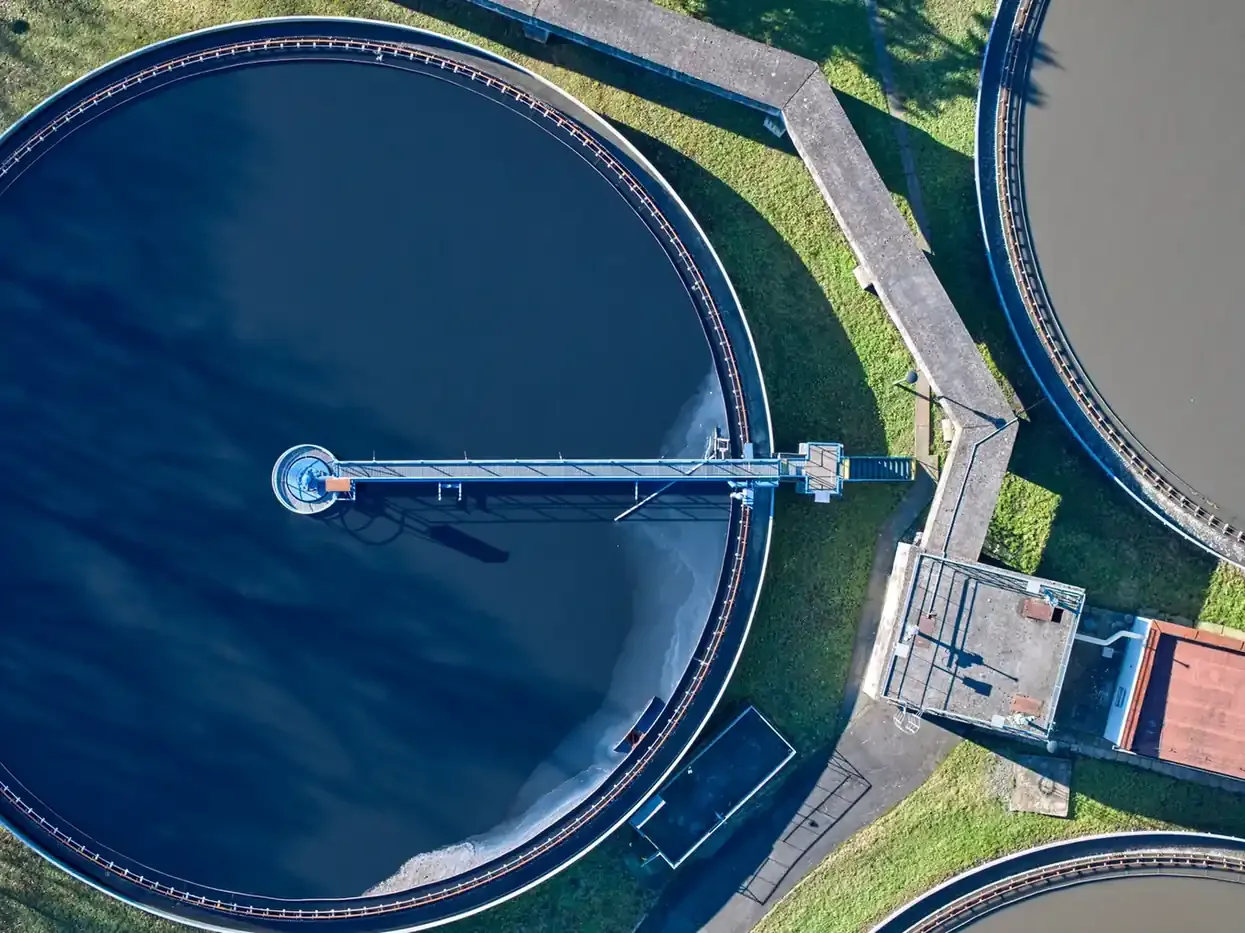
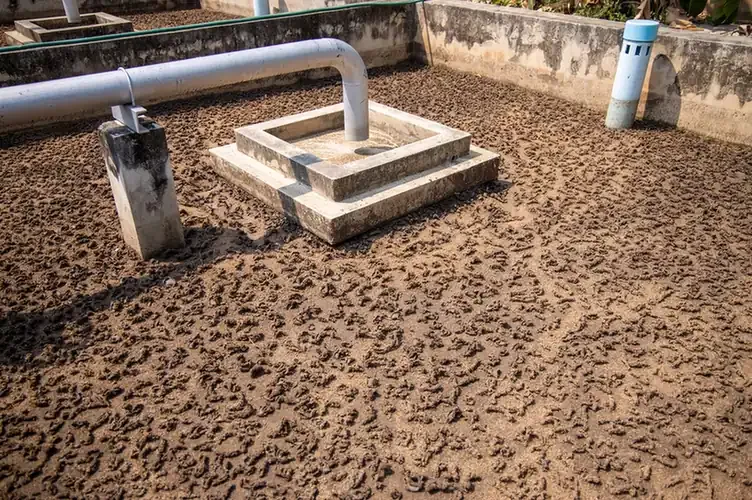
Settled sludge can reduce the usable volume of a wastewater settlement tank without changing its physical size. Understand how deposits affect settling conditions, blanket measurements and removal decisions.
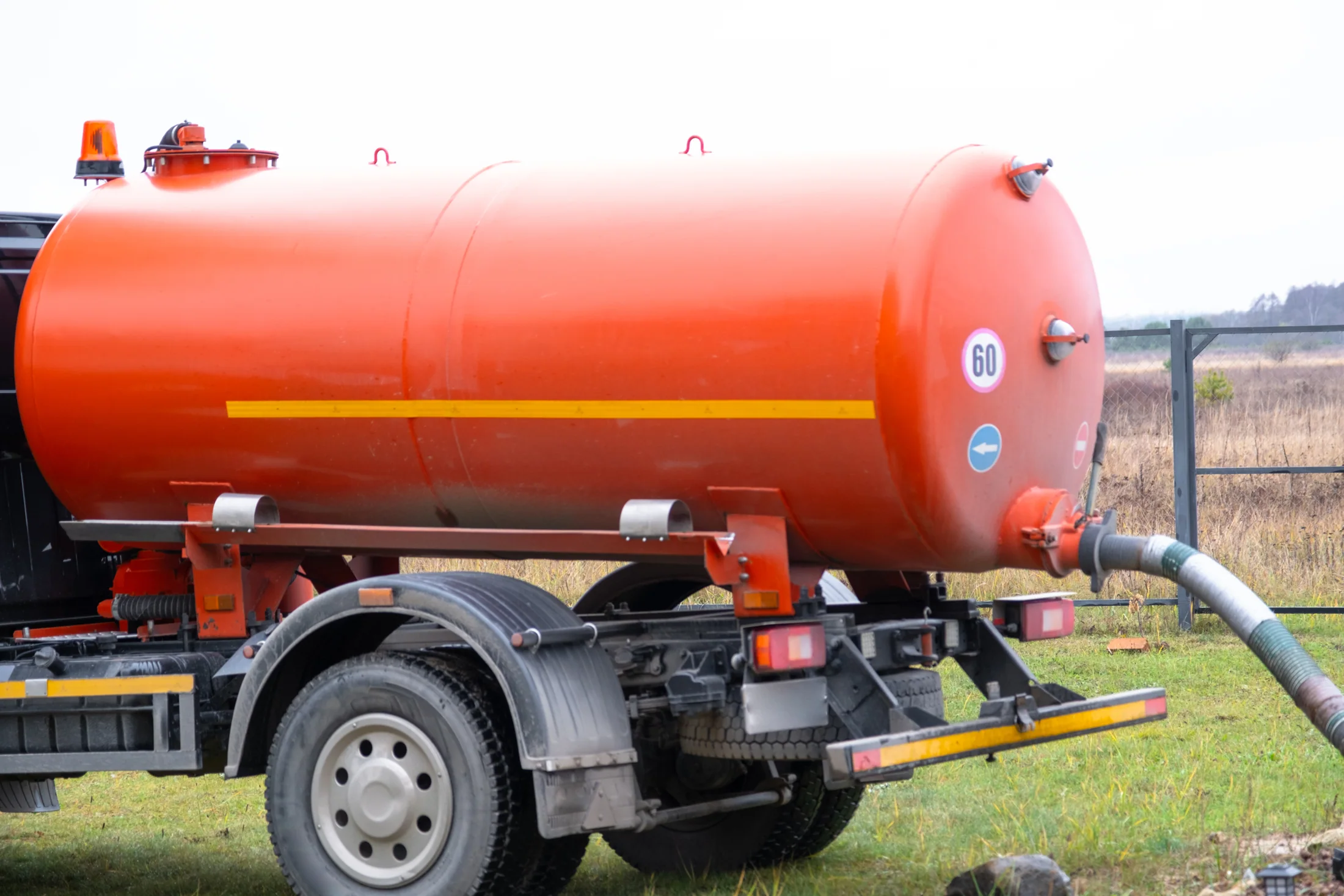
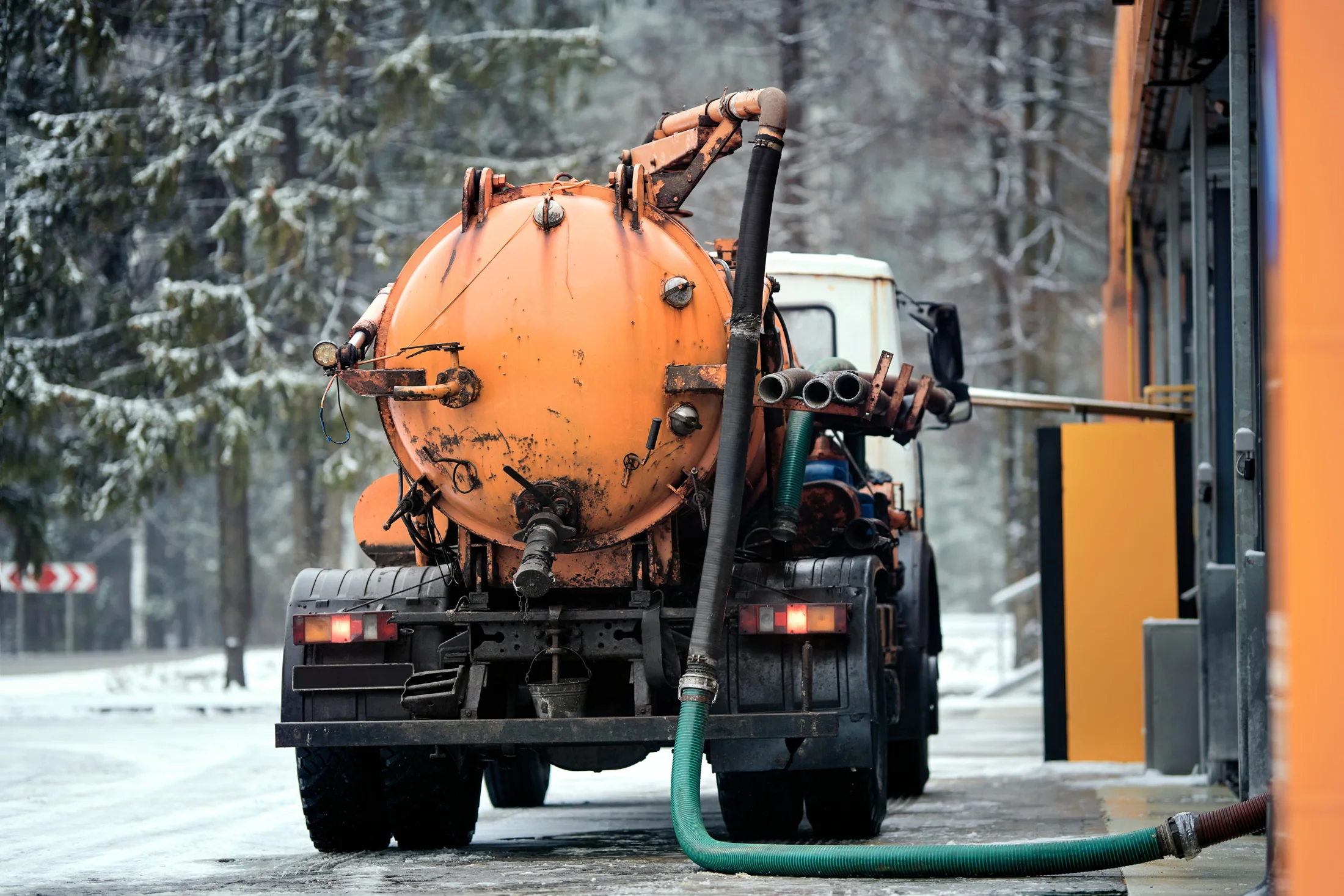
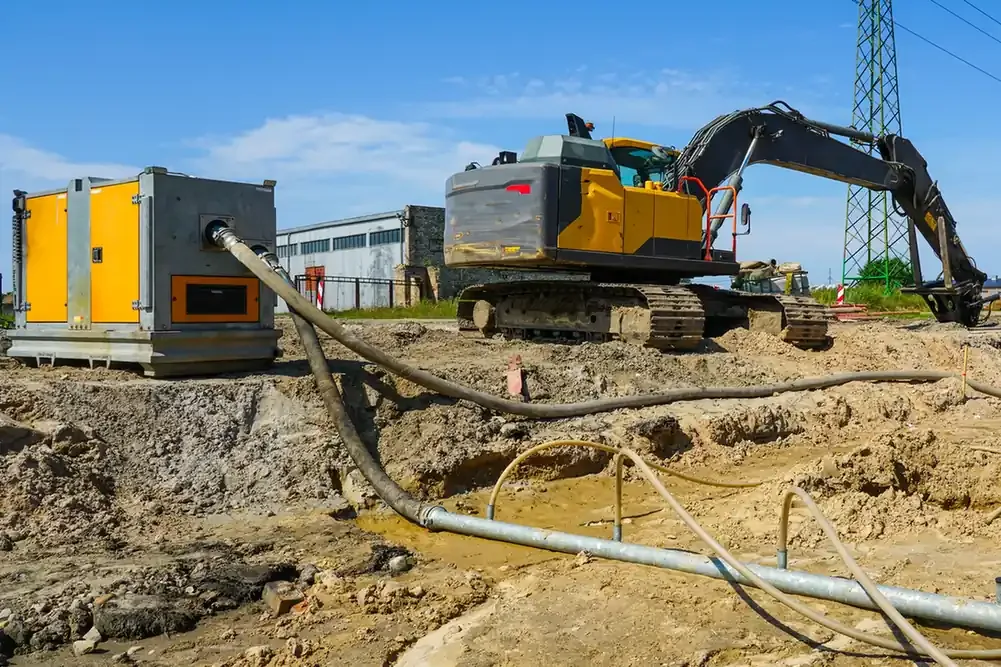
Can a vacuum tanker reach an underground tank or drainage chamber? Learn how hose distance, vertical lift, sludge consistency, access and load capacity affect collection.
Discover what information a liquid waste contractor needs before collection, including waste origin, volume, composition, sampling and receiving facility acceptance.
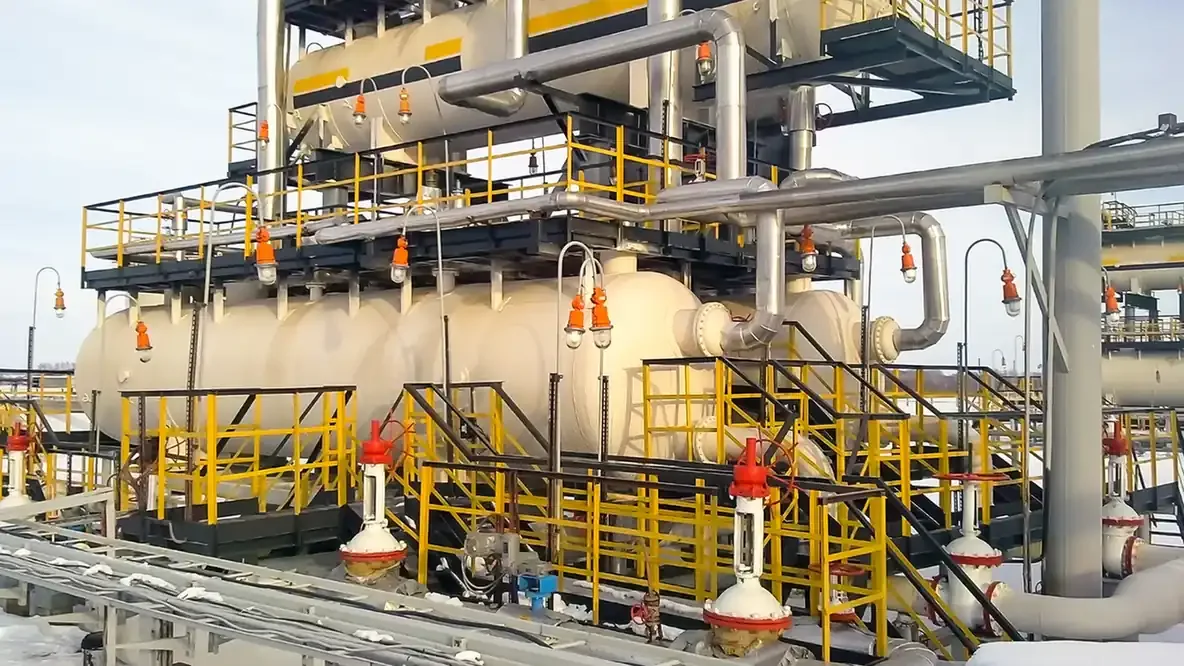
Several industrial process inputs can produce sludge with complex characteristics. Whether wastes arose together or were subsequently mixed can affect classification and treatment.
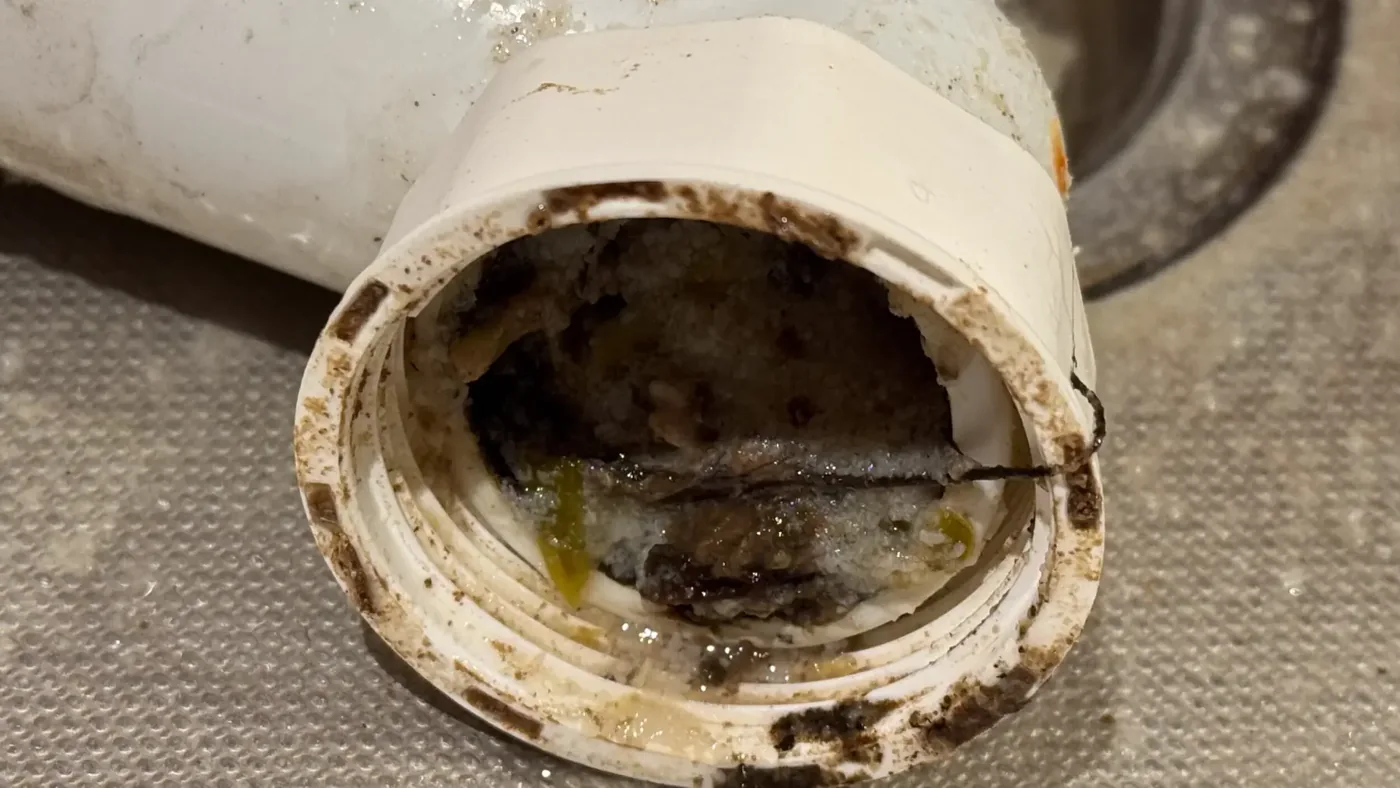
A grease trap does not need to be full to cause drainage problems. Obstructed connections, grease deposits and retained food solids can restrict flow much earlier.
Repeated sludge accumulation in an excavation may be caused by groundwater, rainfall runoff or fine sediment settling after disturbance. The cause determines the response.
Sediment can reduce an oil interceptor's effective capacity even when little oil is visible. Learn how deposits affect separation and when further investigation is needed.
Food factory sludge can vary significantly between product batches and cleaning cycles. Understand how ingredients, washdown and DAF treatment change collection requirements.