
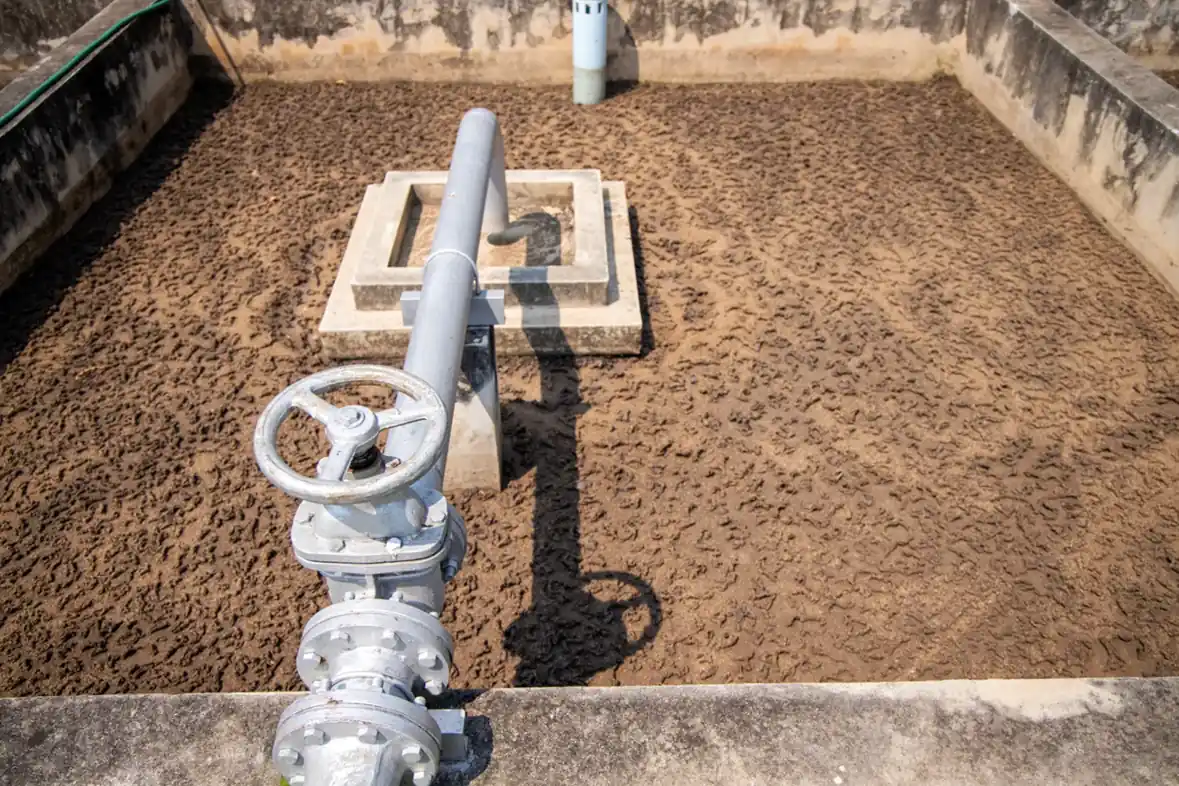
Industrial sludge removal
Sludge EWC Code Checker
A sludge name alone does not settle its waste code. The checker gives candidate EWC codes, likely contaminants and treatment options for your sludge profile, with the reasoning shown so you can review it against WM3 and the List of Waste.
Find your sludge source
Search by the process, sludge type or a contaminant. Results suggest waste-code candidates to investigate, not a completed classification.
Guidance checked 2 October 2026. Confirm the current requirements with the relevant regulator before acting.
What the checker does
The Sludge EWC Code Checker takes a sludge profile, such as sewage sludge, interceptor sludge, paint sludge or drilling mud, and returns candidate EWC codes drawn from the List of Waste. It also lists contaminants that commonly appear in that profile and treatment options that may be relevant to the material.
Each result is cited to a source, so you can see where a code or a contaminant note comes from. The checker is a starting point for classification, not a substitute for it. Waste classification under WM3 requires the producer to assess the actual material, its origin and its chemical and physical properties.
You can print the result or save it as a browser PDF, and the result can be carried into an enquiry if you want help with sampling, classification or removal. The tool does not hold a live register of waste codes and it does not produce a regulatory certificate.
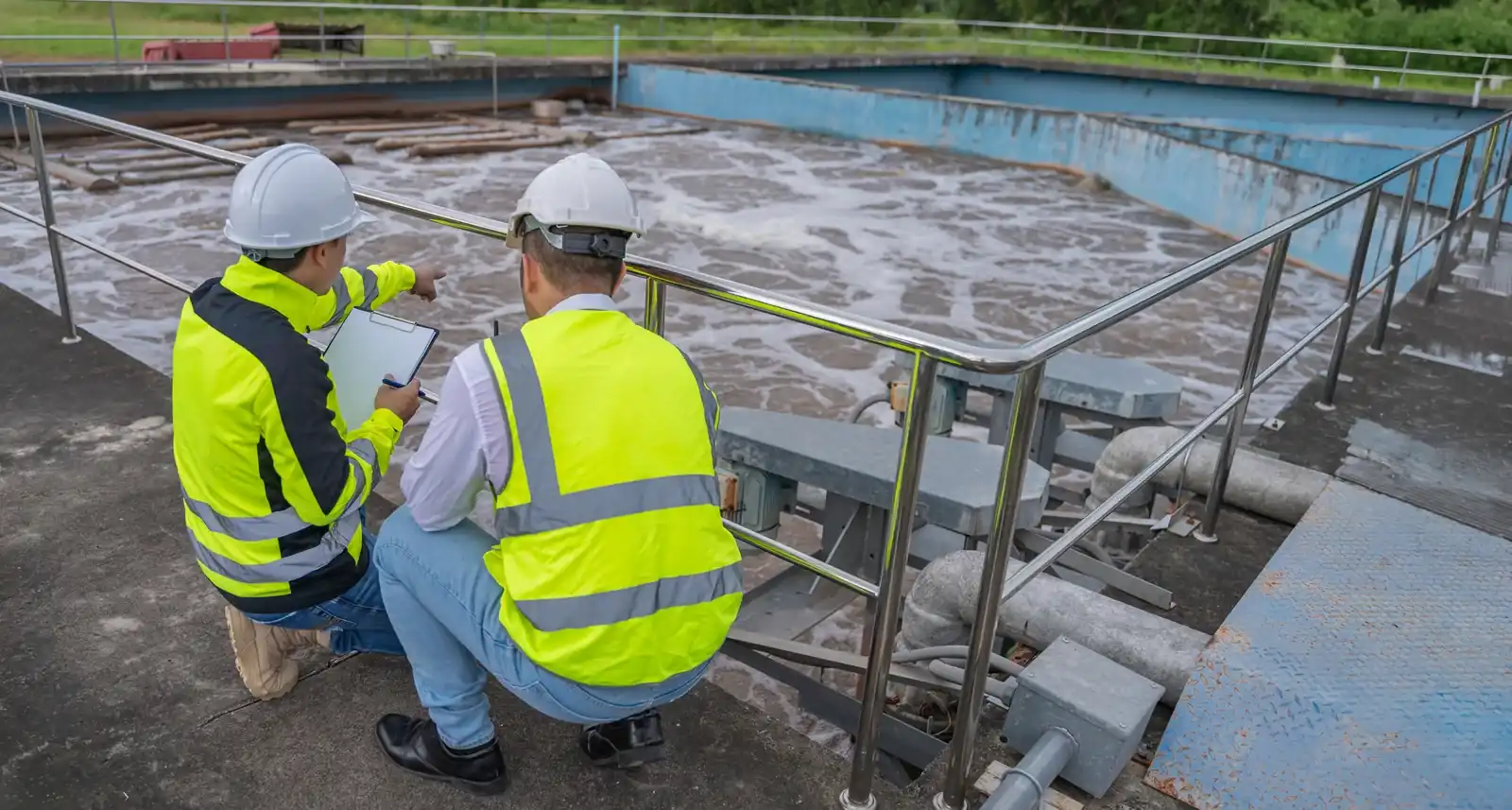
How to read the result
A result is a set of candidates, not a single verdict. The List of Waste often contains a mirror entry pair, one hazardous and one non-hazardous, for the same material type. Which side of the pair applies depends on whether the waste displays a hazardous property.
Hazardous property assessment looks at the substances present, their concentrations and the physical form. A code that looks plausible from the name of the sludge can be wrong once the analytical results are available. For example, sludge from a process using solvents may carry a hazardous code, while similar-looking sludge from a different process may not.
Where the result lists more than one candidate, treat them as options to test. The correct code is the one supported by the composition of the actual waste and by the relevant guidance for the nation where the waste arises.
Codes at a glance
The table below shows code families that may apply to common sludge types. It is a summary, not a lookup table, and the entries within each family still need to be checked against the specific material and the activity that produced it.
| Sludge type | Common code family | Notes |
|---|---|---|
| Sewage sludge | 19 08 | Codes depend on the treatment stage and on whether the sludge is from urban wastewater treatment. |
| Interceptor and grease trap sludge | 13 05, 19 08 | Oil and water mixtures may fall under 13 05; sludge from treatment may fall under 19 08. |
| Paint and coating sludge | 08 01 | Solvent content drives the hazardous or non-hazardous entry. |
| Drilling mud and cuttings | 01 05 | Oil-based and water-based muds are treated differently. |
| Industrial process sludge | Various | Code follows the process, not the appearance of the sludge. |
Codes are set out in the List of Waste, which forms Appendix A of the Environment Agency’s waste classification technical guidance. The List of Waste is used across the UK, but regulator guidance, documentation and enforcement arrangements differ between nations, so confirm the requirements that apply where the waste arises and is handled. See our guide to sludge EWC codes for more detail on the main families.
Contaminants that change the code
Contaminants are often what move a sludge from a non-hazardous entry to a hazardous one. The checker flags the contaminants most often associated with a profile, but it cannot tell you whether they are present in your material.
- Heavy metals such as lead, cadmium, chromium and nickel, which can arise from industrial effluent, plating or older pipework.
- Oils, fuels and solvents, common in interceptor and workshop sludges.
- Pesticides and biocides, which may appear in agricultural or horticultural sludges.
- Polycyclic aromatic hydrocarbons and other combustion residues, which can appear in road and drainage sludge.
- Pathogens and organic loading, which matter for sewage and food processing sludges but do not by themselves set the EWC code.
Sampling and analysis are usually needed to confirm which contaminants are present and at what concentration. Our page on sludge sampling covers how a sampling plan is put together, and sludge contaminants looks at the substances that most often affect classification.
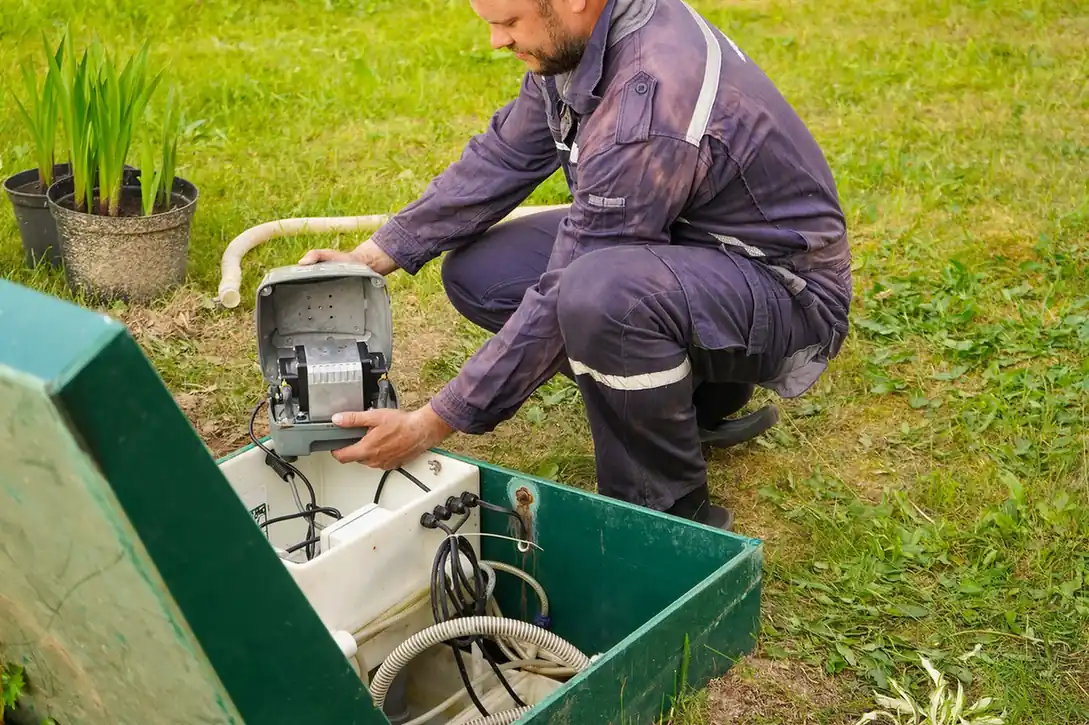
Treatment options and why they matter
Treatment can affect the waste code and the available route. Dewatering reduces water content and changes the physical form, but it does not by itself remove contaminants or make hazardous material non-hazardous. The code and description of the treated sludge should be checked rather than assumed to remain unchanged.
Options that commonly appear for sludge include thickening, dewatering, digestion, composting, thermal treatment, landfill and land application where the material and the site are suitable. Each route has its own acceptance criteria, and the waste code is part of what the receiving facility checks.
If you are planning a removal or treatment project, the code should be settled before the material moves. Our pages on sludge disposal and sludge dewatering explain how those routes are usually arranged.
Where the checker stops
The checker gives candidates and reasoning. It does not give a definite hazardous or non-hazardous classification from a name alone, and it does not replace a full WM3 assessment. It also does not confirm whether a receiving facility will accept the waste.
Waste documentation supports traceability. It does not, by itself, prove legal compliance. The duty of care still requires you to check that waste is transferred to an authorised person and that it is handled correctly.
If the material is unusual, mixed or has changed since it was last classified, treat the result as a prompt to sample and reassess rather than as a final answer.
Nation-specific requirements
Waste classification and hazardous waste controls differ across the UK. In England, the Environment Agency publishes the waste classification technical guidance and the duty of care code of practice. Wales applies the same duty of care code, with Natural Resources Wales as regulator. Scotland and Northern Ireland have their own codes of practice and regulator arrangements.
If waste crosses a border, more than one set of rules can apply. Confirm the requirements for the nation where the waste is produced, held and received before you rely on a code.
Sources
The checker draws on the following official sources. They are listed so you can read the underlying guidance yourself.
- Environment Agency: Waste classification technical guidance (WM3)
- Waste duty of care code of practice
- Dispose of hazardous waste
For work in or near confined spaces such as tanks and wet wells, the HSE confined spaces legislation page sets out the duties that apply. Sludge removal from a confined space is competent specialist work and should not be attempted without a suitable assessment and safe system of work.
Free online tool
Sludge EWC Code Checker
Look up sludge sources, possible contaminants and waste-code candidates.
Common questions
Frequently asked questions
Does the checker give a definite hazardous or non-hazardous classification?
No. It gives candidate EWC codes and likely contaminants for a sludge profile. A definite classification depends on the composition of the actual waste and requires a full assessment under WM3, usually supported by sampling and analysis.
Can I use the result as my waste classification?
The result is a starting point, not a classification. You still need to assess the material against the List of Waste and the hazardous property criteria, and confirm the position for the nation where the waste arises.
Does dewatering change the EWC code?
Dewatering changes the physical form and reduces water content, but it does not by itself remove contaminants or make hazardous material non-hazardous. Treatment can affect the waste code or description in some cases, so the output should be checked against the applicable classification guidance.
Do the same codes apply across England, Wales, Scotland and Northern Ireland?
The List of Waste is shared, but the duty of care codes of practice and regulator arrangements differ. Confirm the requirements for the nation where the waste is produced, held and received, especially if waste crosses a border.
Can I print or save the result?
Yes. The result can be printed or saved as a browser PDF, and it can be carried into an enquiry if you want help with sampling, classification or removal.
Request a quote
Complete the form and we will get back to you.