
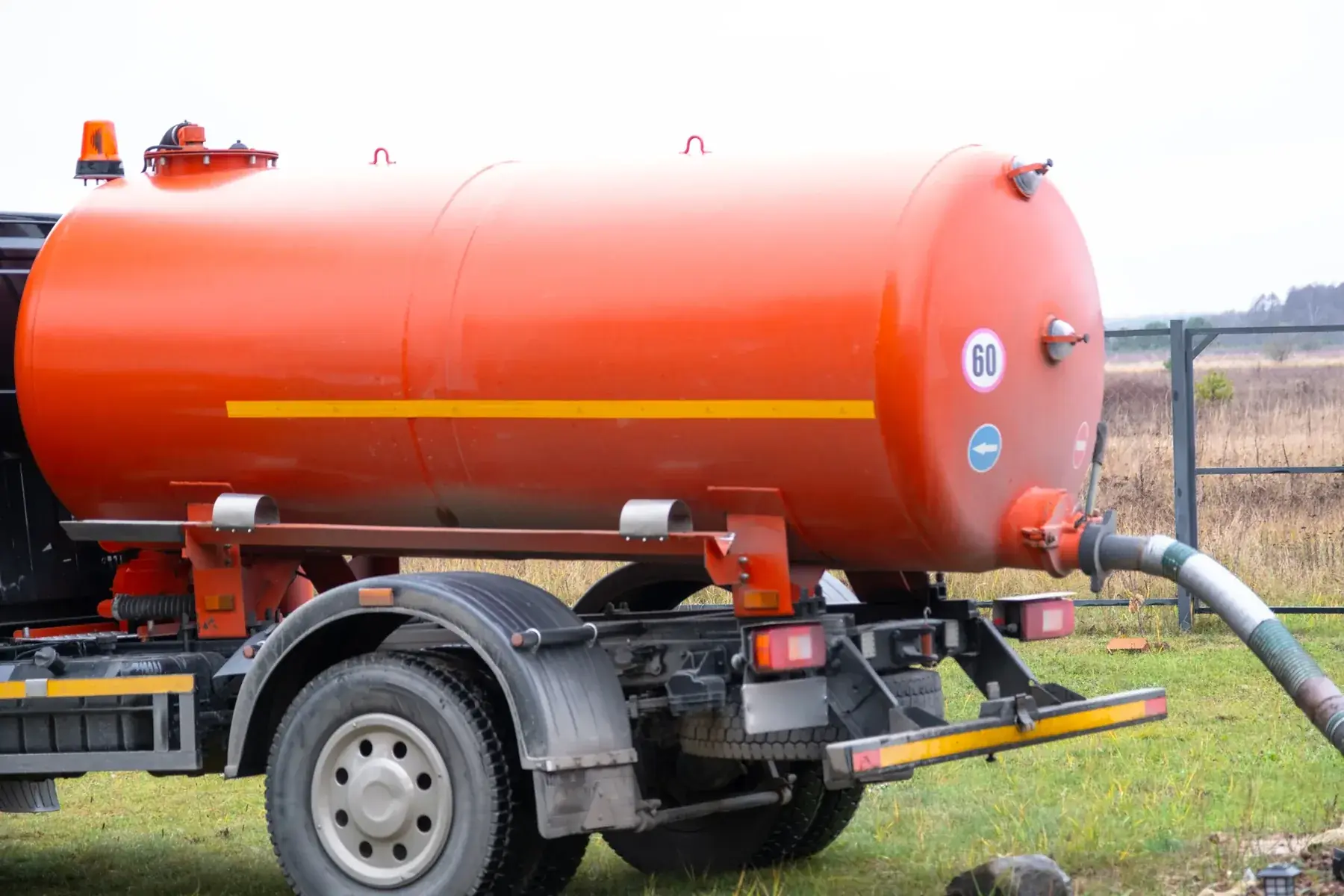
Industrial sludge removal
Our Services
We arrange sludge removal for tanks, lagoons, pits, interceptors and other containment systems. The right approach depends on the material, access, volume, water content and the disposal or treatment route. Our services cover planned desludging, dewatering, sampling, classification and disposal support.
Sludge Disposal
The main sludge disposal and recovery routes in the UK, what qualifies for each, and why dewatering and classification come first.
View detailsSludge Dewatering
How dewatering methods compare, when the volume reduction justifies the cost, and how filtrate and polymer are managed on site.
View detailsDesludging
Commercial desludging of settlement tanks, package plants, lagoons and digesters, covering sludge assessment, removal methods and documentation.
View detailsLagoon Desludging
Lagoon desludging explained: survey and volume assessment, dredging and pumping methods, liner protection, sampling and documentation.
View detailsAnaerobic Digester Cleaning
Why digesters lose volume to grit, struvite and crust, how cleaning and desludging are planned safely, and where digestate and grit go.
View detailsInterceptor Sludge Removal and Disposal
What builds up in oil and petrol interceptors, how waste codes apply, and how to plan emptying and cleaning around real site conditions.
View detailsGrease Trap Emptying
Grease trap emptying for commercial kitchens and food producers, covering FOG accumulation, service frequency, waste codes and recovery routes.
View detailsTank Sludge Removal
Tank sludge removal for effluent, process and water tanks, covering settling behaviour, non-entry and confined space methods, and waste classification.
View detailsPond Dredging
Pond dredging and silt removal for lakes, fishing ponds, SuDS basins and canals, covering methods, sampling and silt destination.
View detailsSilt Removal
Silt removal from settlement ponds, silt traps, attenuation tanks and SuDS chambers, covering methods, dewatering, waste codes and disposal.
View detailsSlurry Removal
Practical guidance on slurry removal from lagoons, stores and tanks, covering waste status, gas safety, storage rules and where material can go.
View detailsVacuum Tanker Hire
Vacuum tanker hire with operator for sludge, silt and liquid waste, covering tanker types, access limits, capacity and disposal.
View detailsLiquid Waste Disposal
Liquid waste disposal for effluent, oily water, washwater and leachate, covering classification, treatment routes, tanker collection and documentation.
View detailsSludge Waste Classification
A plain guide to classifying sludge under WM3, covering mirror and absolute entries, sampling plans, laboratory suites and report contents.
View detailsSewage Sludge Removal
How sewage sludge is classified, treated and disposed of, and the practical decisions that shape removal from works, tanks and lagoons.
View detailsOil Sludge Removal
How oil sludge forms in tanks and separators, how it is classified, removed and disposed of, and what records your business needs to keep.
View detailsPaint Sludge Disposal
Paint sludge from spray booths, water curtains and paint lines: classification, detackifier effects, consolidation and removal decisions.
View detailsHazardous Sludge Disposal
How hazardous sludge is classified, treated and consigned, with the practical decisions that shape each disposal route.
View detailsDrilling Mud Disposal
Bentonite, polymer and oil-based drilling fluids from piling, HDD and boreholes: classification, reuse, dewatering and tankered disposal.
View detailsHow Sludge Removal Services Differ
Two jobs can both be called sludge removal and share almost nothing. A settlement tank holding biological sludge at a wastewater works behaves differently from a garage interceptor full of oil and grit, and both differ again from a lagoon that has accumulated silt and organic matter over years. The physical state of the material, the volume involved, the access to it and the containment it sits in all shape what can be done.
Before work is arranged, we need to understand the material, the approximate settled volume, access to the containment and what will happen to any liquid above the sludge. Those details help define the removal method and the receiving route before mobilisation.
We can help with the range of work described below, from planned maintenance desludging to one-off clearance of an interceptor or lagoon.
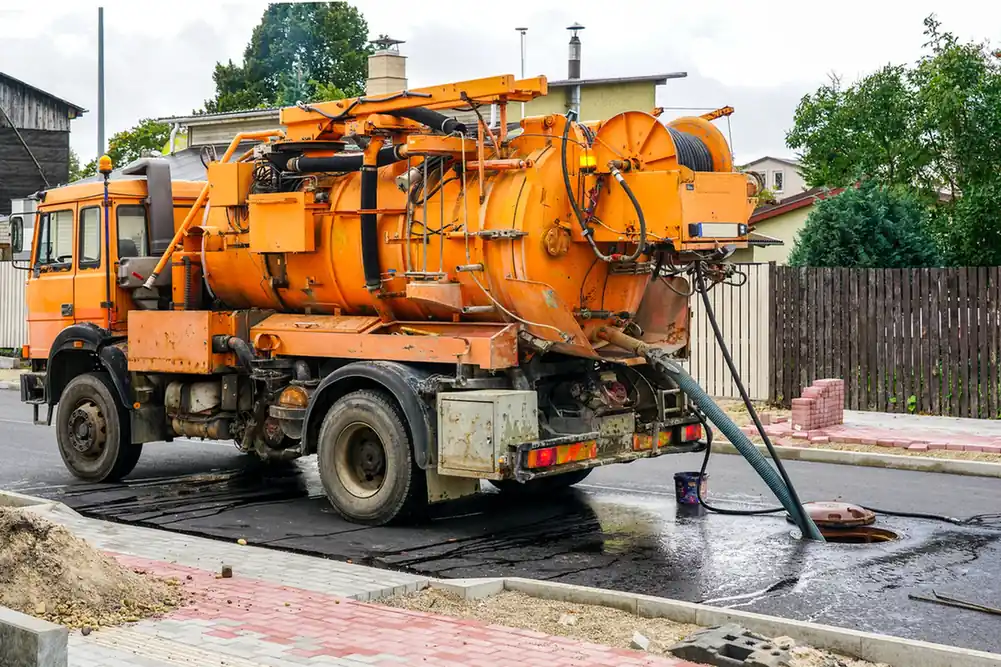
Desludging Tanks, Lagoons and Pits
Desludging is the removal of accumulated solids from a structure that is meant to hold liquid. The structure might be a settlement tank, a storm tank, a balancing tank, a septic tank, a lagoon, a sump or a below-ground pit. In each case the usable volume has been reduced by material that has settled out, and the job is to take that material out without damaging the structure or causing a discharge.
The settled layer is rarely uniform. Sludge at the bottom of a tank can be denser and older than the layer above it, and there may be a transition zone of partially settled material. A single suction pass from one position often leaves material behind. Where access allows, working across the floor of the structure in stages gives a more complete result.
Lagoons bring their own problems. Banks may be soft, the water level may need managing during the work, and the sludge can be mixed with silt, vegetation and debris. Lagoon desludging is usually planned around how the liquid is to be controlled and where the removed material will go.
For smaller structures, tank sludge removal covers the practical decisions about access, suction points and how to confirm the tank has been cleared to the agreed level.
Dewatering and Volume Reduction
Many sludges contain a high proportion of water. Dewatering reduces water content and can reduce the quantity that needs to be transported or sent for further treatment.
Methods can include gravity thickening, belt or screw presses, centrifuges, filter presses and geotextile dewatering bags or tubes. Suitability depends on the sludge, available space, site services and the acceptance requirements of the receiving route. Any liquid released during dewatering also needs a suitable route.
Dewatering produces a liquid stream as well as a solid one. That liquid still needs a lawful route, whether back into the treatment process or off site as liquid waste. Sludge dewatering sets out the main options and the questions that decide between them.
Classification, Sampling and Documentation
Waste classification decides which disposal routes are open and what paperwork is required. It is not something that can be read off a material name. A sludge described as “oily” or “biological” does not have a fixed hazardous or non-hazardous status. Classification follows the composition of the specific material, assessed against the technical guidance in force.
Sampling supports that assessment. A representative sample needs to reflect the material as it will actually be removed, which may mean taking samples from more than one point or depth. Where a material is variable, a single sample can mislead.
Waste transfer and consignment documentation supports traceability. It records what moved, where it went and who handled it. It does not by itself prove that the classification was correct or that the whole operation complied with the rules. Those are separate matters.
We can help with sludge waste classification and with planning sampling before a removal job so that the disposal route is settled in advance.
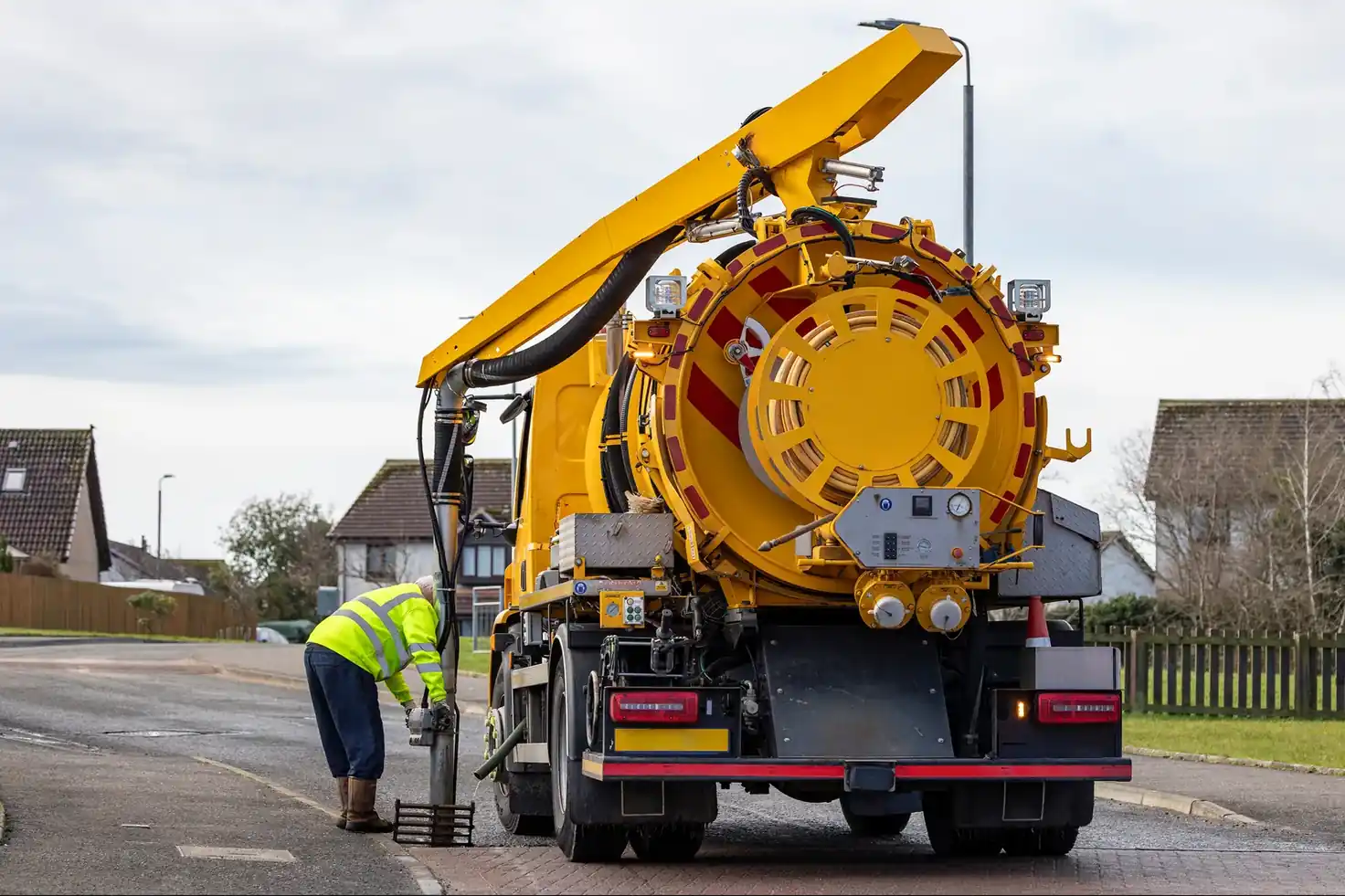
Disposal and Recovery Routes
Once classified, sludge can go to a range of destinations. These include landfill, incineration, anaerobic digestion, composting, land spreading under the relevant rules, and recovery of materials such as metals or oils where the sludge supports it. Each route has its own acceptance criteria, and a route that suits one sludge will reject another.
Land spreading, for example, is governed by controls on soil loading, nutrient content and contaminants, and is not available for every material. Sludge to land explains the general principles and the limits. Where a material is hazardous, the requirements are stricter and the number of accepting facilities is smaller.
Dewatering does not change the classification of a waste. A sludge that is hazardous before dewatering remains hazardous afterwards, even though it is drier and easier to handle.
Specialist and Industrial Sludges
Some sludges need particular care. Oil sludges from interceptors, separators and tank cleaning contain hydrocarbons and often water and grit as well. Paint sludges from spray booth water curtains and paint detackification systems behave differently again, and can be difficult to pump without pre-treatment. Drilling muds and cuttings from construction and groundworks vary with the drilling fluid used.
Food and drink processing produces sludges with high organic loading that can turn septic quickly if left. Wastewater treatment sludges range from primary and secondary biological sludges to digested and thermally treated material, each with different handling characteristics.
Where a material may be hazardous, the work should be planned as competent specialist work. That includes assessment before entry to any confined space, control of vapours and gases, and suitable emergency arrangements. The Confined Spaces Regulations 1997 set out the duties that apply where entry cannot be avoided.
Choosing Between Service Areas
If you are unsure which service applies, tell us what the material is, where it is held, the approximate volume and any known analysis. Interceptors and grease traps may need emptying and cleaning, while treatment tanks and lagoons can require a planned desludging project. Where composition is uncertain, sampling or classification may be needed before a receiving route is confirmed.
It also helps to know the national context. The duty of care for waste in England and Wales is set out in the waste duty of care code of practice. Scotland and Northern Ireland have their own codes and regulators, and requirements can differ. The joint agency WM3 waste classification guidance is used across the UK, although the regulatory procedures and terminology around hazardous or special waste differ by nation.
Quotations depend on the material, volume, water content, classification, access, receiving route and transport requirements. Sludge removal cost explains the main factors we need to price a job.
Free online tool
Sludge EWC Code Checker
Look up sludge sources, possible contaminants and waste-code candidates.
Common questions
Frequently asked questions
How do I know which sludge removal service I need?
Start with the material and the structure it sits in. Sludge in an interceptor or grease trap is usually a routine emptying job. Sludge in a treatment tank, lagoon or pit is a desludging project, and the method depends on access, settled volume and how the liquid above is controlled. If the composition is uncertain, sampling and classification come first.
Does dewatering change whether sludge is hazardous?
No. Dewatering removes water and reduces volume, but it does not change the classification of the waste. A hazardous sludge remains hazardous after dewatering, and the disposal route and paperwork must reflect that.
Can you tell from the name whether a sludge is hazardous?
No. Terms like oily sludge or biological sludge do not carry a fixed classification. Hazardous status depends on the composition of the specific material, assessed against the technical guidance in force. Sampling and assessment are needed before a disposal route can be confirmed.
Why does water content matter so much for disposal?
Water content affects how much material needs to be handled and transported. Dewatering can reduce the quantity sent off site, but the method and receiving route must be suitable for the sludge and for the separated liquid.
Do the rules differ across the UK?
Yes. England and Wales share a duty of care code of practice, while Scotland and Northern Ireland have their own codes and regulators. WM3 provides joint technical guidance for waste classification across the UK, but hazardous or special waste procedures and other regulatory requirements differ by nation. The nation where the waste arises and where it is handled both matter.
Request a quote
Complete the form and we will get back to you.