
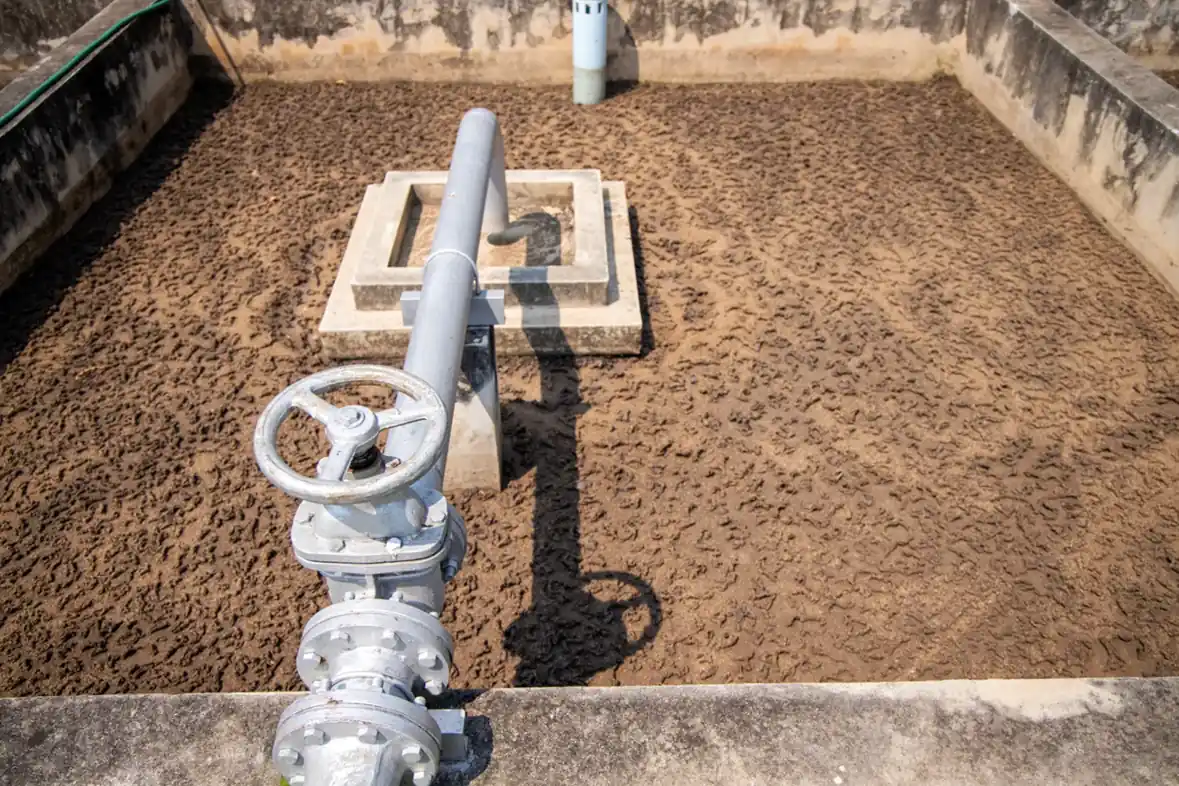
Industrial sludge removal
Sludge to Land
Spreading sludge on farmland is a regulated activity, not simply a disposal route. Whether the material is treated sewage sludge or an industrial sludge, the soil, the crop and the receiving land all shape what is allowed. We can help with sludge to land projects.
What Sludge to Land Means in Practice
Sludge to land is the spreading of sludge onto agricultural soil as a soil conditioner or fertiliser substitute. For treated sewage sludge, the material is often called biosolids. For industrial sludges, the same phrase describes landspreading where the applicable waste authorisation allows it, and the rules are different.
The distinction matters. Sewage sludge has a long-established agricultural route with its own testing regime and voluntary assurance. Industrial sludge used in landspreading is generally regulated as waste. The authorisation, waste code and land assessment requirements depend on the material, the activity and the UK nation involved. A sludge that looks similar on both routes can carry very different obligations.
We can help with sludge to land projects, including the sampling, analysis and haulage arrangements that sit around the spreading operation.
Testing Sludge and Soil Before Spreading
Spreading decisions rest on analysis, not appearance. Two sample sets are normally needed: the sludge itself, and the receiving soil.
- Sludge analysis covers dry solids, organic matter, nitrogen, phosphorus, and potentially toxic elements such as zinc, copper, nickel, cadmium, lead, mercury and chromium.
- Soil analysis covers pH, and the same metal suite, plus an assessment of the existing soil metal burden.
- Where industrial wastes are spread, the analysis follows the permit conditions and the waste types allowed.
Soil pH is a key control. Sewage sludge applications to agricultural land are subject to a minimum soil pH of 5.0, because metal mobility increases in more acidic conditions. Below that threshold, spreading is not appropriate until the pH is corrected.
Metal limits apply to the sludge, to the soil, and to the total amount added over time. A single test is not a permanent clearance. Regular monitoring is part of the regime, and the frequency depends on the volume applied and the history of the field.
Sampling needs to be representative. A sludge that has separated in storage, or a lagoon with a settled layer, will not give a useful result from one dip near the outlet. See sludge sampling for how representative samples are built up.
Metal Limits, pH and Crop Restrictions
The controls on sewage sludge to agricultural land come from the Sludge (Use in Agriculture) Regulations 1989, often shortened to SUiAR. Those regulations set soil pH conditions, limits on potentially toxic elements in soil, and restrictions on when sludge can be applied relative to grazing and harvest.
Crop restrictions are practical as well as legal. Sludge should not be applied to land where crops are grown that are normally eaten raw, or to land used for grazing, within the periods set by the regulations and the Safe Sludge Matrix. The matrix sets out which sludge treatment grades are acceptable for which crop types, and it is more restrictive than the regulations alone for some uses.
Treatment grade matters. Conventionally treated sludge, enhanced treated sludge and untreated sludge are treated differently in the matrix. A farmer growing salad crops or vegetables for human consumption raw will need a higher treatment standard than one growing combinable crops.
Do organic farms use sewage sludge? In general, no. Organic standards restrict the use of sewage sludge, so organic land is normally outside the agricultural sewage sludge route.
The Safe Sludge Matrix and the Biosolids Assurance Scheme
The Safe Sludge Matrix is an industry agreement between water companies and food and farming bodies. It sets out the minimum treatment and the crop and grazing restrictions for sewage sludge applied to agricultural land. It is not a substitute for the regulations, and it does not cover industrial sludges.
The Biosolids Assurance Scheme, or BAS, is a certification scheme for the production and use of biosolids in agriculture. It covers the whole chain, from treatment works through to the field, and requires sampling, record keeping and audit. A water company operating under BAS will have its own procedures for testing, storage and spreading.
For anyone receiving biosolids, the practical points are the treatment grade, the analysis, the field records and the restrictions that apply to the next crop. Those records support traceability. They do not, on their own, prove that every legal requirement has been met.

Industrial Sludges and Landspreading Permits
Industrial sludges are a different route. Where the material is regulated as waste, landspreading requires the authorisation that applies to the activity and the UK nation involved. In England, the standard rules permit SR2010 No 4 covers landspreading of certain wastes, with limits on waste types, application rates and the land involved.
The Environment Agency publishes landspreading waste-type guidance that sets out which wastes can be spread and under what conditions. Not every industrial sludge qualifies. The waste must be suitable for the soil and the crop, and the land must be assessed before spreading.
Waste classification comes first. A sludge must be classified under the technical guidance WM3 before the correct waste code and any hazardous properties are known. A name alone does not tell you whether a sludge is hazardous. See sludge waste classification for how that assessment is built.
Dewatering is often part of the picture, because haulage and application costs depend on the volume and the dry solids content. Dewatering does not change the classification of the waste, and it does not make a hazardous sludge non-hazardous. See sludge dewatering for the options.
Nation Differences: England, Wales, Scotland and Northern Ireland
The four nations do not operate identical regimes, and the differences matter for anyone spreading sludge.
| Nation | Position to check |
|---|---|
| England | SUiAR applies. The Safe Sludge Matrix is industry guidance, while BAS applies to participating certified biosolids operations. Defra’s consultation on reform of the sludge-to-land regime closed on 24 March 2026. Check for any published response or rule change before planning. |
| Wales | SUiAR applies, with Natural Resources Wales as the regulator. Duty of care and permitting requirements follow the Wales position. |
| Scotland | Waste and other environmental activities are regulated under the Environmental Authorisations (Scotland) Regulations 2018 framework. Check the current Scottish Environment Protection Agency authorisation requirements for the specific activity. |
| Northern Ireland | The 1990 Regulations apply, with the Northern Ireland Environment Agency as the regulator. |
Cross-border working needs care. A sludge produced in one nation and spread in another may fall under two sets of rules, and the duty of care follows the waste. The waste duty of care code of practice sets out the framework for England and Wales, and separate codes apply in Scotland and Northern Ireland.
PFAS, Microplastics and the Current Debate
Concern about per- and polyfluoroalkyl substances, known as PFAS, and about microplastics in sludge has grown. PFAS are a large group of chemicals, and their presence in sludge varies with the source and the catchment. Microplastics are widely detected in sewage sludge, and research into their behaviour in soil is ongoing.
The established sewage-sludge controls described above focus on matters such as metals, pH, treatment and crop restrictions. PFAS and microplastics are areas of continuing monitoring and policy interest. Where either is a specific concern, targeted analysis may form part of the assessment, with the results interpreted against the applicable requirements and the purpose of the test.
For industrial sludges, the permit and the waste classification determine what must be tested. If a contaminant is relevant to the classification or the receiving land, it should be considered in the assessment.
Planning a Sludge to Land Project
A workable plan starts with the material and the land. The material needs a classification, an analysis and a treatment grade where it is sewage sludge. The land needs a soil analysis, a pH check, a crop history and a field assessment. The spreading operation needs the applicable authorisation and records, together with a haulage and application method suited to the sludge consistency.
Timing is often the constraint. Crop rotations, grazing periods and weather all narrow the window, and a sludge that cannot be spread in time still needs a lawful destination. See sludge disposal for the alternatives when land spreading is not available.
We can help with sludge to land projects, from sampling and analysis through to the removal and haulage arrangements that support the spreading plan.
Free online tool
Sludge EWC Code Checker
Look up sludge sources, possible contaminants and waste-code candidates.
Common questions
Frequently asked questions
Can sewage sludge be used as fertilizer?
Treated sewage sludge, often called biosolids, can be used on agricultural land as a soil conditioner and source of nutrients, subject to the Sludge (Use in Agriculture) Regulations 1989 and applicable crop and treatment restrictions. The Safe Sludge Matrix provides industry guidance, and the Biosolids Assurance Scheme applies to participating certified biosolids operations. Soil pH must be at least 5.0, metal limits apply to the sludge and the soil, and crop and grazing restrictions depend on the treatment grade.
Is sewage sludge used in farming?
Yes, treated sewage sludge is used on some agricultural land in the UK. The amount and the timing depend on the treatment grade, the crop, the soil analysis and the field records. Not all land qualifies, and organic land is normally excluded.
Do organic farms use sewage sludge?
In general, no. Organic standards restrict the use of sewage sludge, so organic land is normally outside the agricultural sewage sludge route. If organic status is a factor, check the certification body's current position before planning any application.
Can industrial sludge be spread on land?
Some industrial sludges can be spread where the applicable waste authorisation allows the activity and the waste type. In England, this may involve an environmental permit or registered exemption, and standard rules permit SR2010 No 4 and Environment Agency landspreading guidance set conditions for relevant activities. The waste must be classified first, and the land assessed.
Does dewatering make a sludge non-hazardous?
No. Dewatering reduces the water content and the volume, which affects haulage and application, but it does not change the waste classification. A hazardous sludge remains hazardous unless the classification assessment shows otherwise.
Request a quote
Complete the form and we will get back to you.