
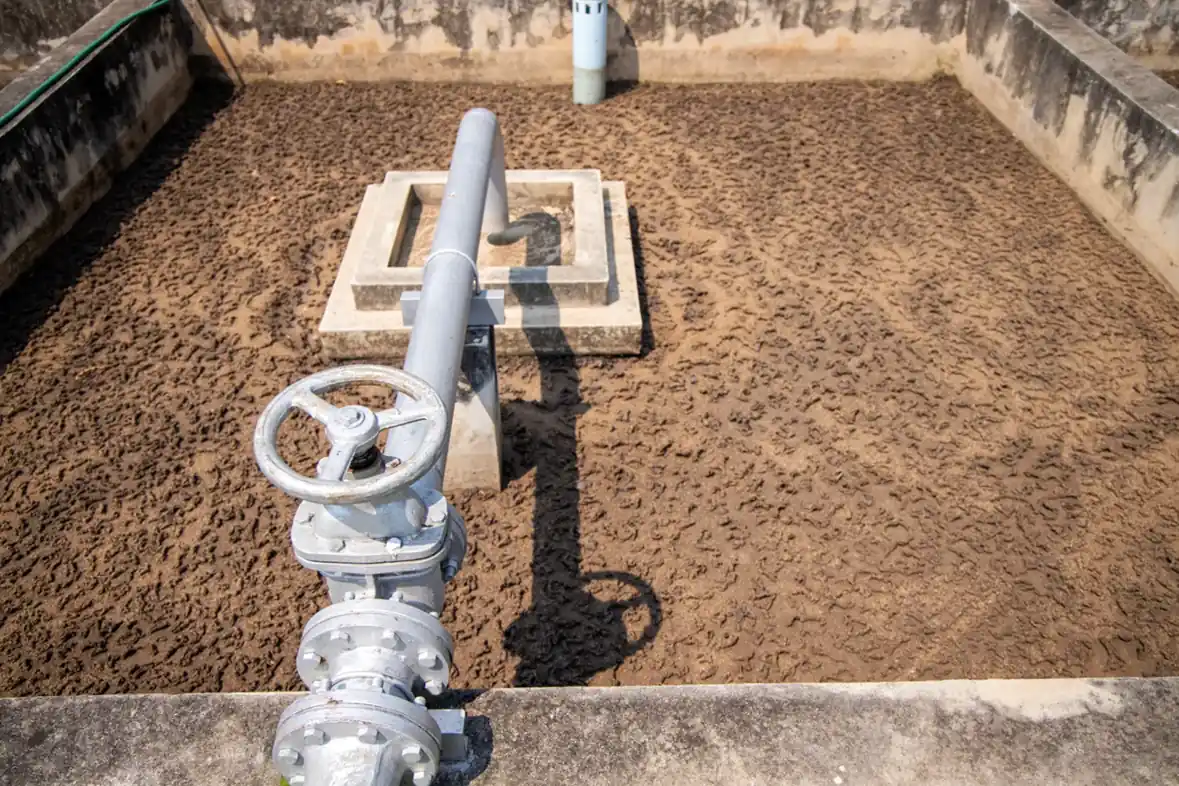
Industrial sludge removal
Sewage Sludge Removal
Sewage sludge is the solids and semi-solids left behind by wastewater treatment. Its handling depends on where it came from, how wet it is and what it contains. We can help with removal, treatment and disposal planning.
What sewage sludge is
Sewage sludge is the material that settles or separates during wastewater treatment. It is not one substance. Primary sludge comes from settlement of raw sewage. Secondary or surplus activated sludge is biological growth from the treatment process. Septic tank and cesspit contents are a separate stream, and digester sludge has already been through biological treatment. Each behaves differently when pumped, stored or treated.
Water content affects pumping, storage, dewatering and transport. The consistency can also vary within the same tank or lagoon, so the material should be assessed in the condition in which it will be removed. We can help establish the practical scope before removal is arranged.
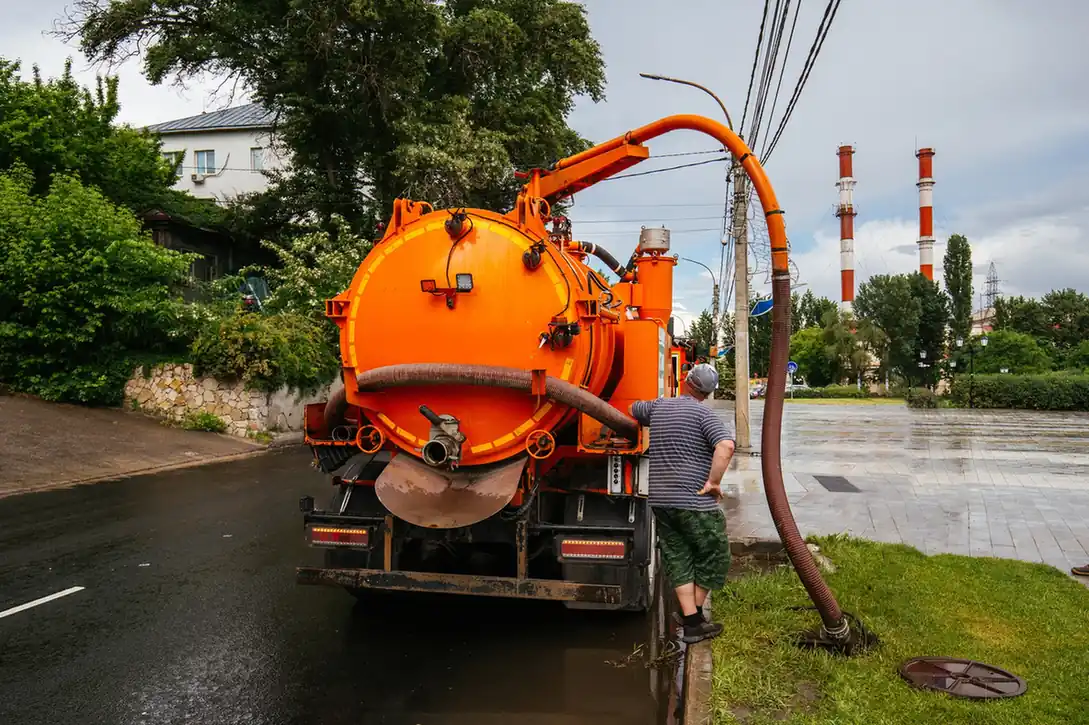
Sewage sludge waste codes
Waste classification uses the List of Waste, also called the European Waste Catalogue. Common entries include:
- 19 08 05, sludges from treatment of urban wastewater
- 20 03 04, septic tank sludge
- 19 08 12, sludges from biological treatment of industrial wastewater other than those mentioned in 19 08 11
Under WM3, 19 08 05 for sludges from the treatment of urban wastewater is an absolute non-hazardous entry. That does not mean every sludge described informally as sewage sludge belongs under 19 08 05. The source and process must support the code used, and industrial wastewater sludges have separate entries, including the mirror pair 19 08 11* and 19 08 12. See sludge waste classification for how coding and assessment work.
Contaminants that affect disposal
Metals such as zinc, copper, cadmium and lead accumulate in sludge. Limits apply where material is spread to land, and the Safe Sludge Matrix sets out which crops and timings are acceptable. Pathogens matter for the same route, which is why treatment such as anaerobic digestion, lime addition or thermal drying is used before land application.
Emerging contaminants such as PFAS and microplastics may also be relevant to some sewage sludges. Where a receiving route or site history gives reason to investigate them, the sampling and analytical scope should be agreed before the route is confirmed. More detail sits under sludge contaminants.
Treatment and disposal routes
There is no single destination for sewage sludge. The realistic options are:
- Import to a wastewater treatment works for co-treatment.
- Anaerobic digestion, producing biogas and a digested product.
- Land application where the relevant statutory controls and accepted guidance allow it.
- Incineration, including energy recovery.
- Other permitted recovery or disposal, depending on the material.
Each route has its own acceptance criteria. A treatment works will want to know the source and likely composition. A digester needs a suitable feed and consistent solids. Land application depends on contaminant levels, soil status and crop plans. Incineration needs a fuel-appropriate material and a permitted facility. The choice usually comes down to contaminant profile, water content, volume and haulage distance. We can help with matching the material to a workable route.
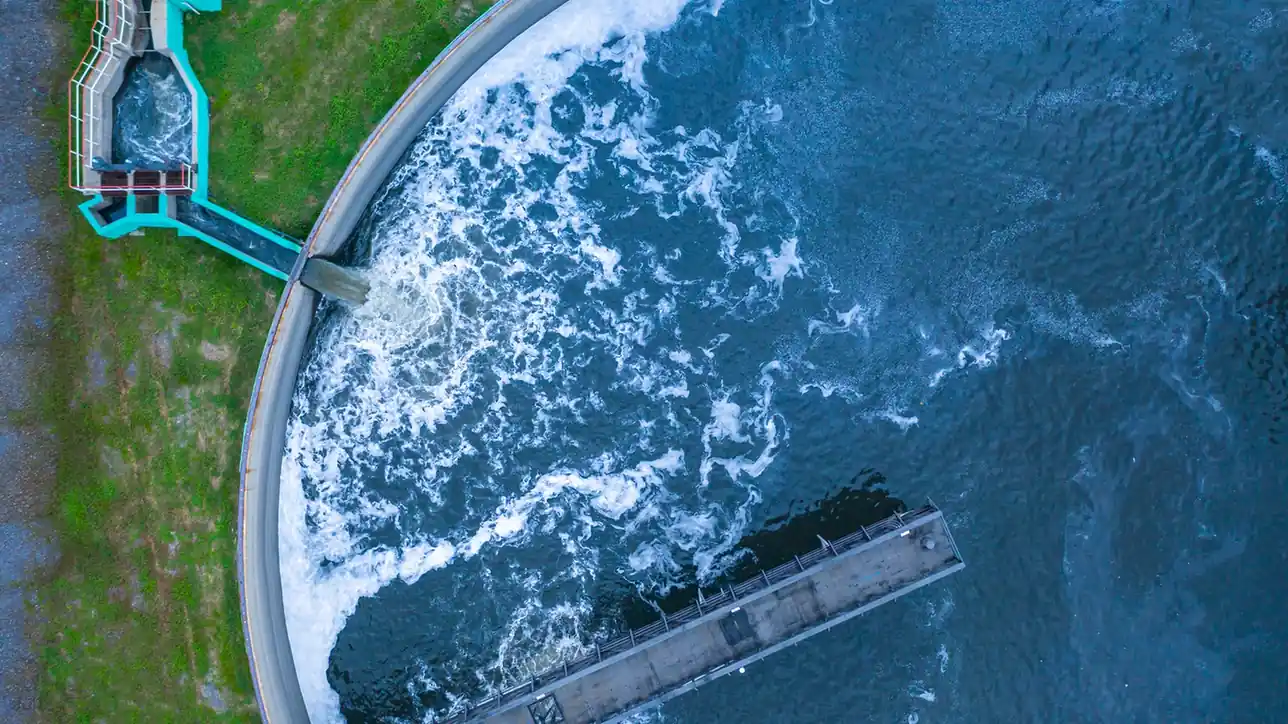
Removal from tanks, works and lagoons
Removal is a physical problem as much as a regulatory one. Access, headroom, pump reach and the depth of the settled layer all shape the method. In a live treatment works, the operation has to fit around process flow. In a lagoon, the sludge may be stratified, with a thin crust, a watery middle and a dense base. Removing the wrong layer first can make the rest harder to handle.
Dewatering is often used to cut volume before transport. A centrifuge, belt press or drying bed can raise dry solids, but the performance depends on the sludge type and any polymer dosing. Dewatering changes how the material is handled and transported. It does not change its classification, and it does not make a hazardous waste non-hazardous. Related pages cover sludge dewatering and desludging.
Safety and confined spaces
Sewage sludge and the spaces that hold it present real hazards. Hydrogen sulphide, methane and reduced oxygen can be present in tanks, wet wells and digesters. The Confined Spaces Regulations 1997 require that entry is avoided where the work can be done from outside, and that a safe system of work and emergency arrangements are in place where entry is unavoidable. This is competent specialist work, not a do-it-yourself task. The Health and Safety Executive publishes guidance on confined space legislation.
Rules across the UK
Waste rules differ across the UK. The waste duty of care code of practice applies in England and Wales, with the Environment Agency and Natural Resources Wales as regulators. Scotland and Northern Ireland have their own regulatory regimes. In Scotland, the Environmental Authorisations (Scotland) Regulations 2018, as amended in 2025, brought waste activities into the integrated authorisation framework and changed the regulation of sewage sludge applied to land. Cross-border work should be checked against the requirements that apply at each stage.
Waste documentation supports traceability. It records what moved, where it went and who handled it. It does not, on its own, prove legal compliance. The duty of care code of practice sets out what producers, carriers and consignees must do. Classification follows technical guidance such as WM3, and hazardous waste has extra requirements under the hazardous waste rules.
Planning a sewage sludge project
Useful questions before work starts include: where did the sludge come from, how long has it been there, and has anything else entered the tank or lagoon? What is the dry solids content, and does it vary with depth? Are there known industrial inputs? What route is realistically available, and what does that route need in terms of sampling and documentation? Getting these answers early usually reduces cost and avoids rejected loads. We can help with removal, treatment and disposal planning for sewage sludge and related streams.
Free online tool
Sludge EWC Code Checker
Look up sludge sources, possible contaminants and waste-code candidates.
Common questions
Frequently asked questions
Is sewage sludge hazardous waste?
If the waste is correctly described by 19 08 05, sludges from the treatment of urban wastewater, WM3 treats that entry as absolute non-hazardous. Other wastewater sludges can fall under different entries, including hazardous and non-hazardous mirror entries for industrial wastewater treatment. The source and process therefore need to support the code before a disposal route is arranged.
How is sewage sludge disposed of?
Common routes are import to a wastewater treatment works, anaerobic digestion, land application under the Safe Sludge Matrix, and incineration with or without energy recovery. The workable route depends on contaminant levels, water content, volume and the acceptance criteria of the receiving facility. Dewatering is often used first to reduce volume.
Can sewage sludge be used as fertiliser?
Treated sewage sludge can be applied to agricultural land in some circumstances, subject to the statutory controls that apply in the relevant UK nation and the suitability of the sludge, soil and crop. Accepted guidance, including the Safe Sludge Matrix where applicable, can also be relevant. The receiving route should be confirmed before material is moved.
What is the difference between sewage sludge and septic tank sludge?
Sewage sludge arises from wastewater treatment processes, while septic tank sludge is the accumulated material from on-site treatment systems. Raw sludge from the treatment of urban wastewater may use 19 08 05, while septic tank sludge is coded 20 03 04. Treated sewage sludge may require a different code depending on the treatment process. The materials can also behave differently during pumping, treatment and disposal.
Does dewatering make sludge non-hazardous?
No. Dewatering removes water and reduces volume, which affects transport and handling. It does not change the classification of the material and does not make a hazardous waste non-hazardous. Classification depends on the composition of the sludge, not its water content.
Request a quote
Complete the form and we will get back to you.