
Industrial sludge removal
Sludge Dewatering
Dewatering turns a bulky liquid sludge into a smaller volume of cake that is easier to store, move and treat. The method depends on the sludge, the site and what happens to the liquid pressed out of it. We can help with sludge dewatering projects.
What sludge dewatering does
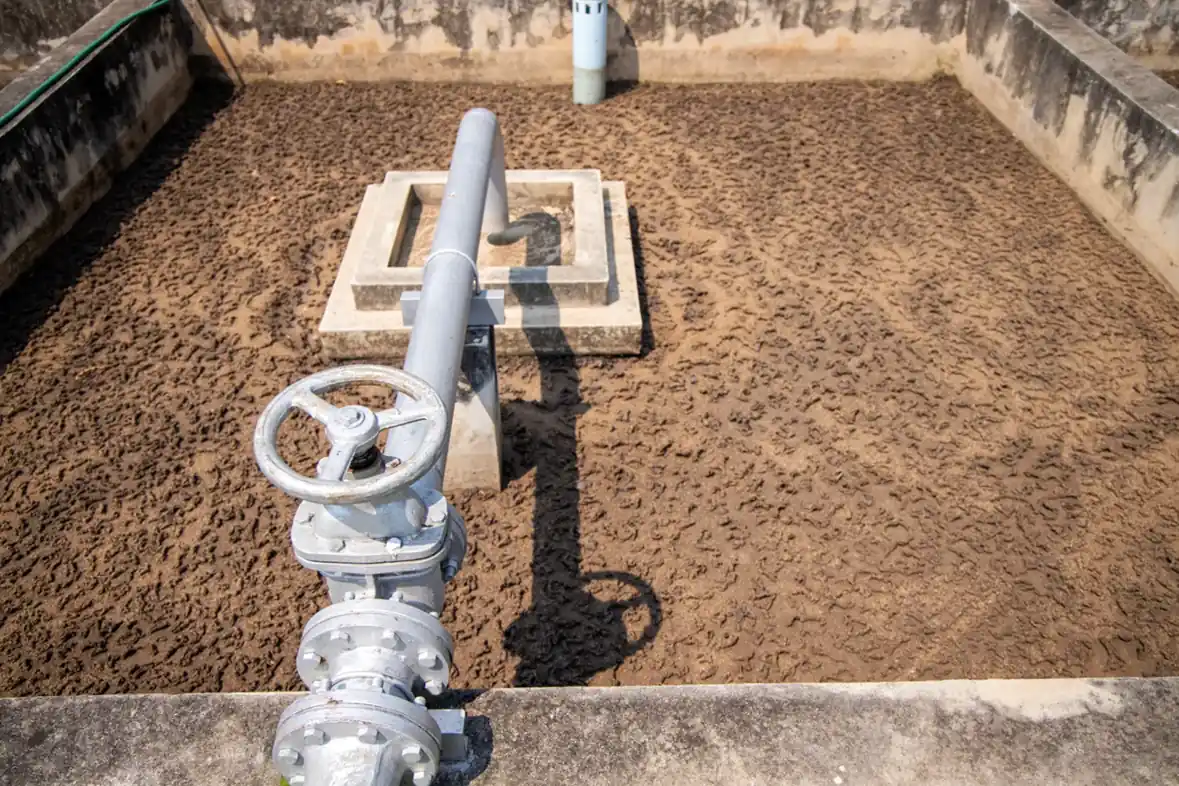
Raw sludge can contain a high proportion of water, so much of what has to be moved, stored or treated may be liquid. Dewatering removes part of that water mechanically or by drainage, producing a cake or thicker sludge with a higher dry solids content. This can reduce the volume that needs onward handling.
Dewatering is not the same as drying. Mechanical dewatering leaves water in the resulting sludge or cake, which still has to go for treatment, recovery or disposal at a licensed facility. Dewatering changes the physical form and reduces water content, but it does not by itself remove contaminants or make hazardous material non-hazardous. The waste code and description should be checked for the material after treatment.
Common dewatering methods
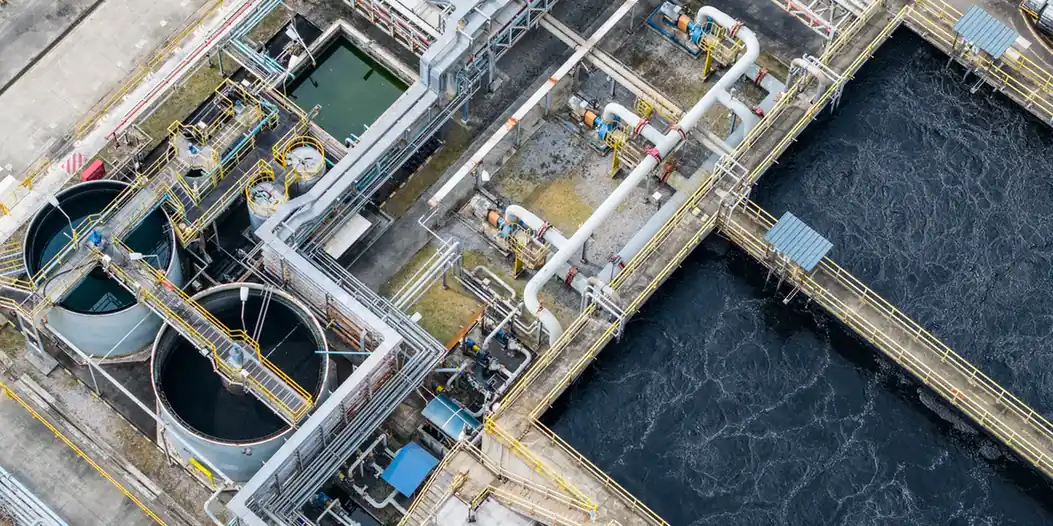
The method has to suit the sludge, the required output, the site and the receiving facility. Published performance figures should not be treated as a site result because achievable dry solids vary with feed characteristics, conditioning and equipment setup.
| Method | How it works | Points to consider |
|---|---|---|
| Decanter centrifuge | Continuous mechanical separation using centrifugal force | Feed condition, polymer use, power and the required cake and liquid quality all affect suitability. |
| Filter press | Batch pressure filtration | Cycle time, feed characteristics, cake handling and filtrate arrangements need to be considered. |
| Belt press | Gravity drainage followed by pressure between belts | Conditioning, wash water, space and sludge response to flocculation affect operation. |
| Screw press | Mechanical compression through a screw and screen arrangement | Suitability depends on the sludge, required throughput and site setup. |
| Geotextile dewatering bags | Passive drainage through a permeable container | They need suitable space, drainage arrangements and a plan for the retained solids. |
Thickening may be used before dewatering to reduce the liquid volume sent to the dewatering stage. Whether a separate thickening stage is worthwhile depends on the process and the sludge.
When dewatering pays and when it does not
Volume reduction is the main financial argument. If you are tankering liquid sludge long distances, reducing the volume before transport can materially change the cost picture. Large lagoons, settlement ponds and digesters that have accumulated years of solids are the classic cases. So are industrial sites producing a steady sludge stream where the cake can go to a regular outlet.
Dewatering is not always economical. For smaller volumes, the cost of bringing in dewatering equipment may outweigh the saving in transport or treatment. Sludges containing significant oil, solvent, grit or other contaminants also need to be assessed before a method is selected because dewatering separates phases rather than treating the contaminants themselves. Where contamination is a concern, classification and a suitable treatment or disposal facility come first. Our sludge waste classification page covers how that assessment works.
Conditioning and polymer dosing
Most mechanical dewatering needs the sludge conditioned first. Polymer is dosed into the feed to bind the fine particles into flocs that release water. The dose is found by jar testing the actual sludge, not by a rule of thumb, because the right polymer and the right dose vary with the solids, the age of the sludge and the proportion of biological material.
The polymer type and dose need to suit the actual sludge. Too much or too little can affect separation performance, cake handling and the quality of the separated liquid. Bench or site trials can be used to establish a workable conditioning regime before full operation.
Filtrate and where it goes
Dewatering produces a solids stream and a separated liquid stream. The liquid should not be assumed to be clean water and may contain suspended or dissolved contaminants. It goes to sewer, back into the process or to a licensed facility, depending on its composition and the site’s permissions. Depending on the site and the material, options may include:
- Return to the head of the works, where it is treated with the incoming sewage.
- Discharge to a sewer under a trade effluent consent, which sets limits on volume, solids and chemistry.
- Discharge to a watercourse or land under an environmental permit, which is a much higher bar.
- Tankering away for treatment, which is expensive and usually a last resort.
Returning filtrate to the works is common, but it adds a load. Ammonia and fine solids can recycle and build up if the return rate is not managed. Where a consent applies, check the limits before the plant is set up, not after. The liquid waste disposal page covers where the liquid side goes.
Site setup and access
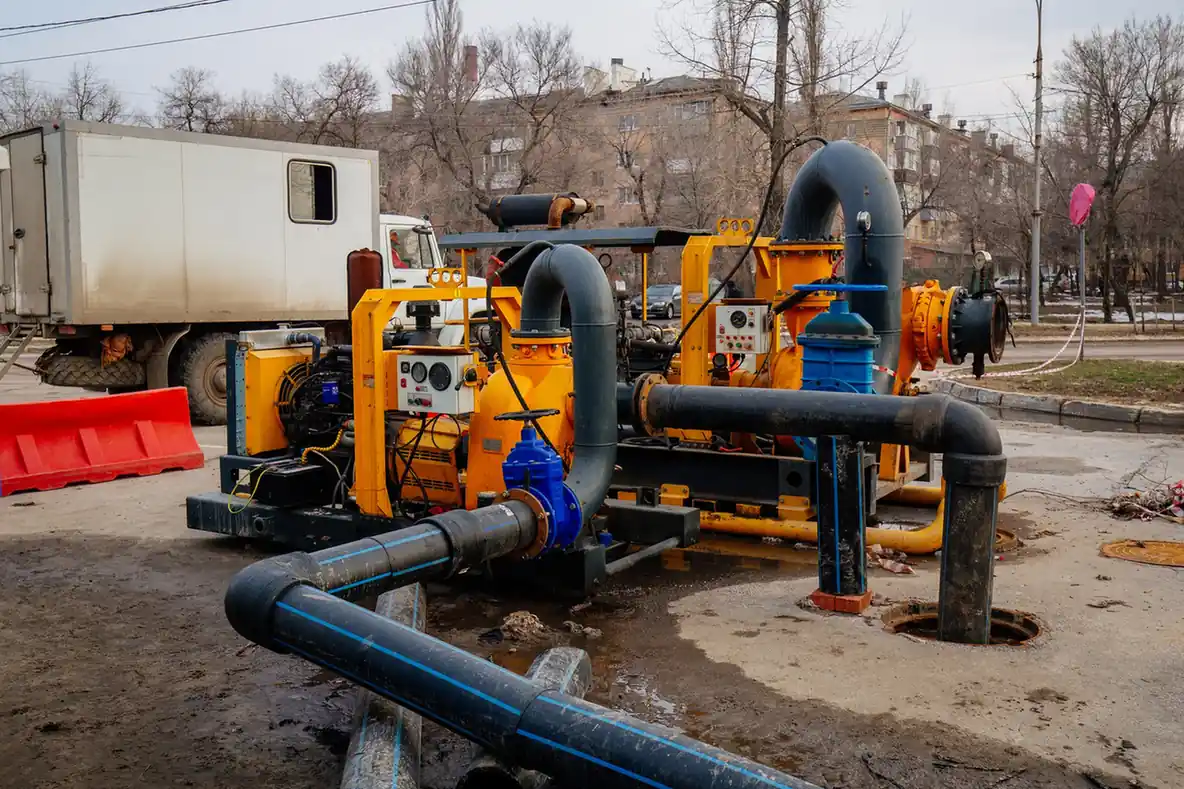
Mobile dewatering may need working space, power, water, drainage and suitable ground conditions, depending on the equipment used. The site also needs a workable arrangement for feed, separated liquid and the dewatered solids without obstructing other site operations. These requirements should be checked before equipment is mobilised.
Where the work involves entry into a tank, digester or wet well, the Confined Spaces Regulations 1997 apply. Entry should be avoided where the work can be done from outside, and where entry is unavoidable it needs a safe system of work and emergency arrangements in place before anyone goes in. That is competent specialist work. The HSE guidance on confined spaces sets out the duties.
Sampling, classification and documentation
Before dewatering is specified, the available information about the sludge should be reviewed and sampling may be needed. Representative testing can establish properties such as dry solids and identify relevant contaminants, while conditioning trials can help assess polymer response. Waste classification should follow the applicable guidance for the nation where the waste arises. The Environment Agency’s WM3 guidance applies in England and Wales, while Scotland and Northern Ireland have their own regulator arrangements and guidance.
Dewatering does not by itself make hazardous material non-hazardous. It can change the concentration and physical form of the material, and treatment can also affect the waste code or description, so the output should be checked rather than assumed to retain the same code. Waste documentation supports traceability through the chain, but it does not by itself prove legal compliance. The waste classification technical guidance and the waste duty of care code of practice are useful starting points.
Planning a dewatering project
Work through the sludge first, then the site, then the outlet. Sampling and classification come before equipment selection. Volume and dry solids targets come next. Then access, power, polymer and where the filtrate goes. Only then does the method choice make sense. A filter press that gives a dry cake is no use if the filtrate cannot be discharged and the cake has nowhere to go.
We can help with sludge dewatering for lagoons, digesters, settlement tanks and industrial sludges, including the sampling, classification and disposal steps around the dewatering itself. Related pages cover lagoon desludging, anaerobic digester cleaning and sludge disposal.
Free online tool
Sludge EWC Code Checker
Look up sludge sources, possible contaminants and waste-code candidates.
Common questions
Frequently asked questions
Does dewatering make sludge non-hazardous?
No. Dewatering removes water and concentrates the solids, so contaminants in the cake can be at a higher concentration than in the feed sludge. Classification is based on the composition of the waste, not its water content, and it has to be assessed separately.
What dry solids can I expect from a centrifuge or belt press?
There is no reliable percentage to promise from the sludge type alone. Achievable dry solids depend on the feed, conditioning, equipment and operating setup. A representative sample and, where appropriate, a trial give a better basis for estimating performance.
Where does the filtrate go?
Separated water may return to an appropriate treatment stage at the works, enter a public sewer under the applicable trade effluent arrangements, or be taken off site for treatment. Direct discharge to land or surface water requires the relevant environmental authorisation unless an exemption applies. The water quality and receiving system determine which options are available.
Can geotextile bags replace a mechanical dewatering plant?
Dewatering bags can be useful for smaller or intermittent sludge volumes where there is enough space for drainage over time. The liquid must be collected or discharged through an authorised arrangement. Thick sludge may need conditioning before it drains effectively. Continuous or high-volume operations are often better suited to mechanical equipment.
Is dewatering worth it for a small volume of sludge?
Not always. For smaller volumes, the cost of mobilising dewatering equipment may outweigh the saving in transport or treatment. Dewatering is more likely to be worthwhile where the volume reduction materially reduces onward handling, transport or treatment costs.
Request a quote
Complete the form and we will get back to you.