
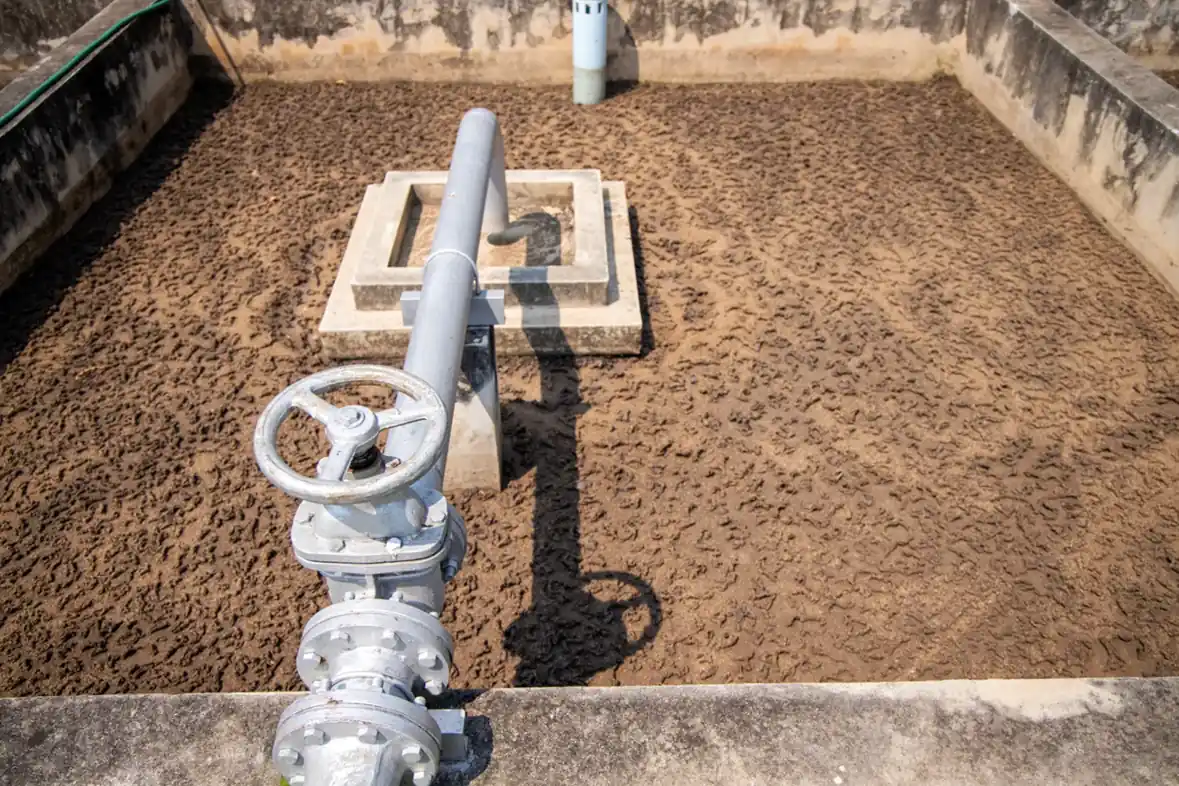
Industrial sludge removal
Sludge Removal Cost
Sludge removal cost rarely comes down to a single figure per tonne. Volume, water content, classification, access and the receiving site all move the price. This guide explains the main cost drivers so you can compare quotes on a like-for-like basis.
Why Sludge Removal Cost Varies So Much
Two tanks of the same size can produce very different bills. One may hold thin, watery liquor that pumps easily and treats as a low-strength liquid. The other may hold a dense, gritty layer that needs digging, conditioning or pre-treatment before it will move at all. The cost of sludge disposal tracks the work and the risk, not just the number of litres on site.
Most quotes are built from a few core elements: the volume or tonnage removed, the water content, the waste classification, the disposal or treatment route, and the access and containment needed on the day. Understanding each one helps you see where a quote is realistic and where it is thin.
Volume, Tonnage and How Work Is Priced
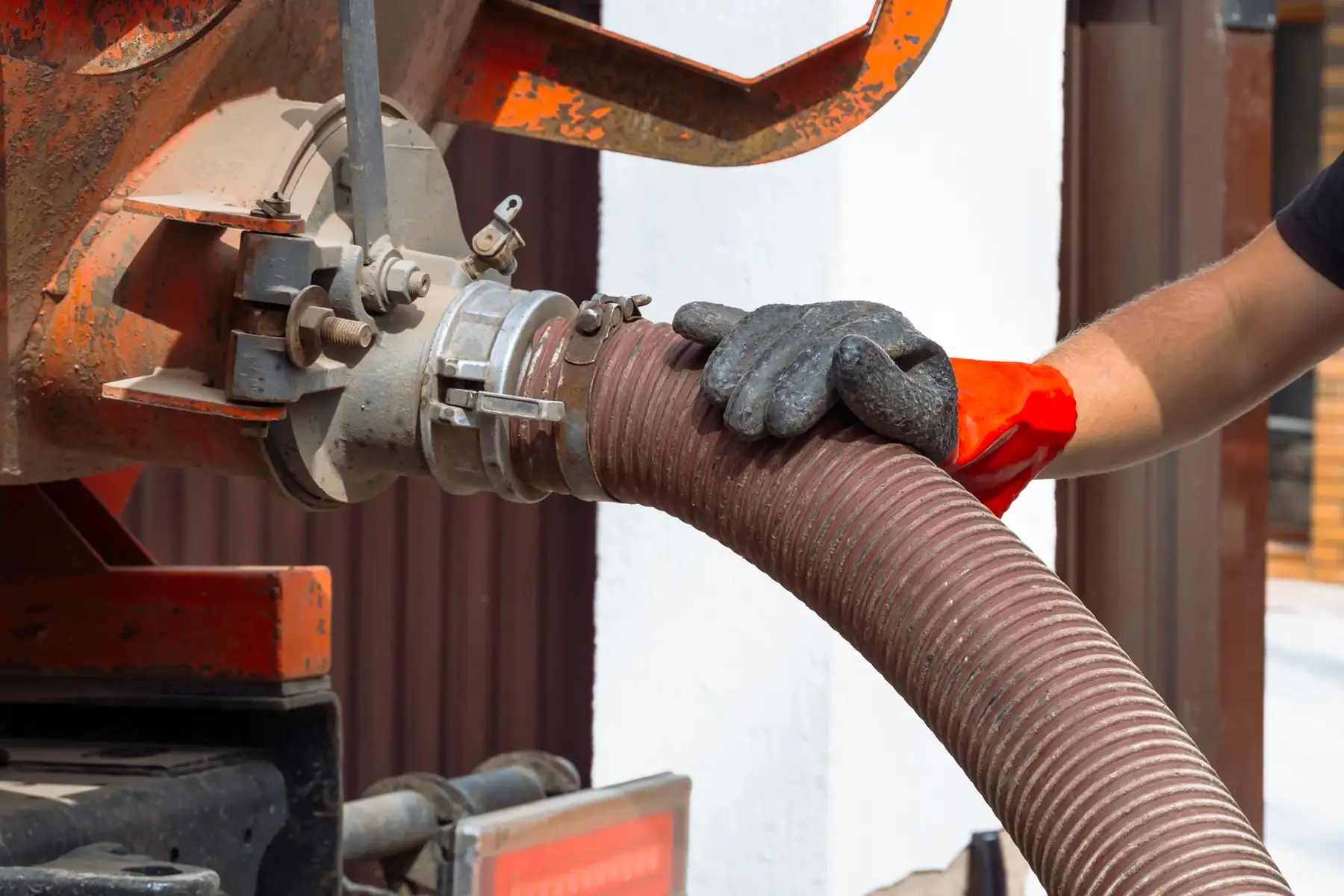
Sludge is often quoted per load, per tonne or on a day rate, and the three are not interchangeable.
- Per load: common for tanker work where the vehicle size is fixed. You pay for the number of loads, so the water content matters enormously. A thin sludge fills a tanker with mostly water.
- Per tonne: used where the material is weighed at a treatment or disposal site. It can be a useful basis where the receiving site charges by weight.
- Day rate: used when the work is unpredictable, such as digging out a compacted lagoon crust or clearing a tank with obstructions. The day rate covers labour and plant, with disposal charged separately.
A low headline rate per load can hide a high number of loads. Ask how the volume was estimated and whether the figure is based on a site visit, a dip reading or an assumption.
Water Content and Dewatering
Water content can have a major effect on cost because it affects the quantity transported and treated. Where dewatering is practical, reducing water content before removal may reduce the amount that leaves site.
Water content can be reduced using methods such as gravity thickening, filter presses, centrifuges and geotextile dewatering bags. Polymer conditioning may be used with some dewatering processes to improve separation. The right approach depends on the sludge, the site and the required onward route. We can help with sludge dewatering projects where reducing volume before disposal makes sense.
Dewatering does not by itself make hazardous material non-hazardous. It reduces water content and may reduce transport or treatment costs, but treatment can affect the waste code or description in some cases. The resulting material still needs the correct classification and documentation.
Classification and Hazardous Sludge
Hazardous sludge can involve different treatment routes, authorised facilities, transport controls and consignment note requirements. Those factors can affect the quotation and should be identified from the actual waste rather than assumed from its name.
You cannot decide whether sludge is hazardous from its name alone. Classification depends on the source, the process, the substances present and their concentrations. Process knowledge may provide part of that evidence, and representative sampling and analysis may be needed where the composition is not sufficiently established. The Environment Agency’s waste classification technical guidance sets out the assessment method, and it is a detailed document for competent users.
If you are unsure where your sludge sits, sludge waste classification explains the process. Getting the code right early avoids re-quoting and rejected loads later.
Sampling Early to Avoid Costly Surprises
Sampling before removal can reduce uncertainty where the composition is not already established. A representative sample can support classification and help a receiving site assess whether the material fits its acceptance requirements. That information can make the quotation more reliable and reduce the risk of rejected loads or re-quoting.
Sampling needs to be representative. A single grab sample from the top of a tank may miss a denser layer below. Where a tank or lagoon has stratified, samples from different depths give a truer picture. We can help with sludge sampling as part of planning a removal.
Documentation supports traceability. It does not, by itself, prove legal compliance, and it is not a substitute for correct classification.
Access, Containment and Site Conditions
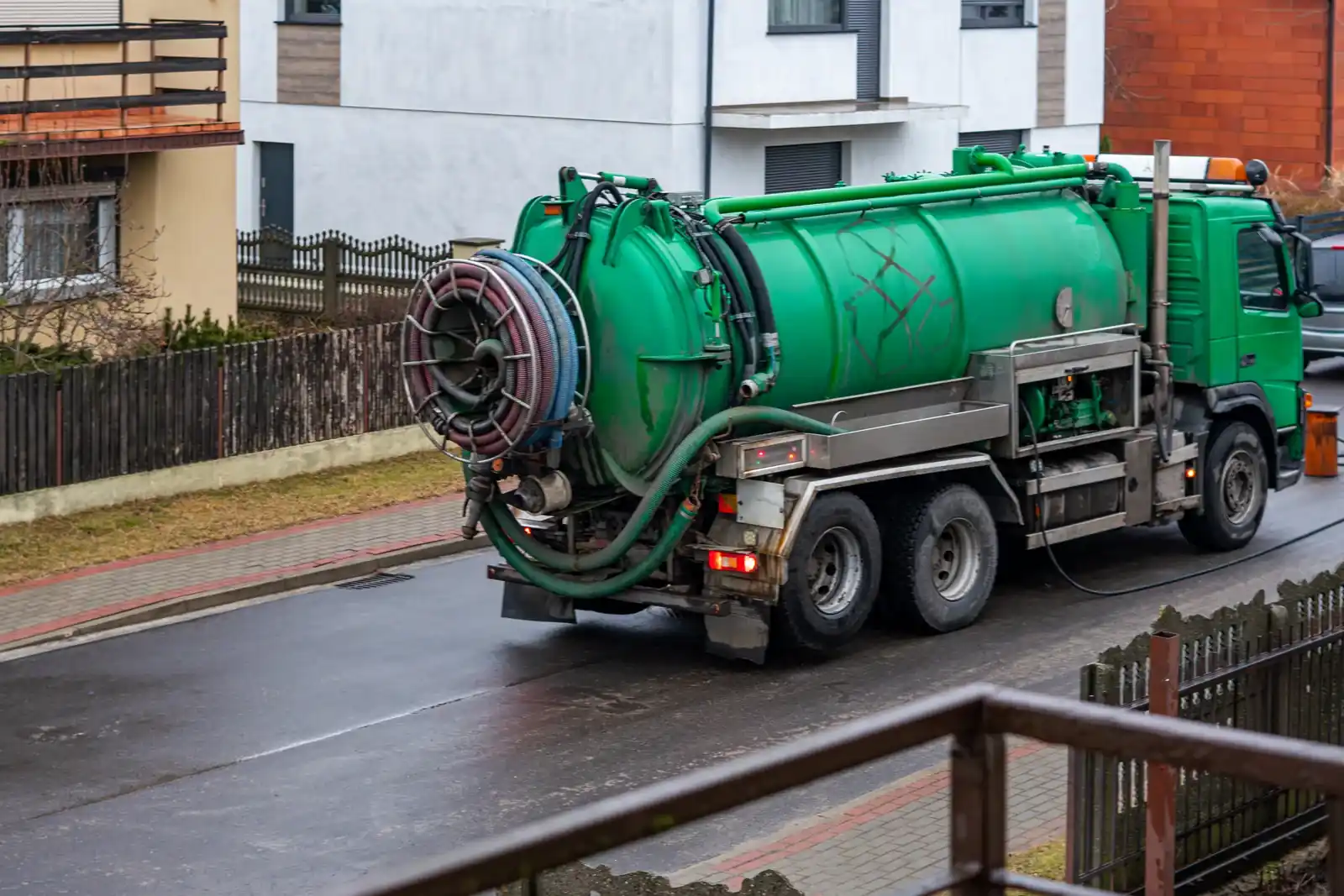
Access affects cost more than many people expect. A tanker needs a safe standing position, a route in and out, and somewhere to contain spills during transfer. Long hose runs, tight gates, soft ground, overhead cables and restricted working hours all add time and cost.
Confined space work is a separate matter. Where entry is needed, the work must be planned and carried out by competent specialists under the Confined Spaces Regulations 1997. The HSE guidance sets out the duties, including avoiding entry where possible. This is not work for general labour, and it should be priced as specialist work.
Containment, odour control and traffic management can also affect the scope and price on a live site. These items should be identified in the quotation where they are relevant.
Disposal and Treatment Routes
Where the sludge goes affects the price. Options include anaerobic digestion, composting, land spreading, incineration and landfill, and each has different gate fees and acceptance criteria. Some routes accept only certain sludges; others need pre-treatment.
Land application, for example, is governed by rules that differ across the UK. What is acceptable in England may not be in Scotland or Northern Ireland. The waste duty of care also applies wherever the waste is produced, stored, carried or treated, and the duty of care code of practice explains the responsibilities for England and Wales. Scotland and Northern Ireland have their own codes.
We can help with sludge disposal planning where the receiving route is the main cost question.
Comparing Quotes on a Like-for-Like Basis
When you compare quotes, check that each one covers the same scope. Look for:
- The estimated volume and how it was measured.
- Whether disposal, treatment and consignment paperwork are included.
- Whether dewatering or pre-treatment is part of the price.
- Access, containment and any confined space work.
- What happens if the actual volume or classification differs from the estimate.
Prices require a real quote. No guide can give a reliable figure without knowing the site, the material and the route. The drivers above are what a quote should be built from, and a supplier who can explain them is easier to compare against another.
Frequently Asked Questions
Common questions about sludge removal cost are answered below.
Free online tool
Sludge EWC Code Checker
Look up sludge sources, possible contaminants and waste-code candidates.
Common questions
Frequently asked questions
Is sludge removal priced per load or per tonne?
Both are used. Per load is common for tanker work where the vehicle size is fixed, while per tonne may be used where the material is weighed at a treatment or disposal site. Day rates can suit work where the time and plant requirement are uncertain. The right pricing basis depends on the material, the scope and how the receiving site charges.
Does dewatering reduce the cost of sludge disposal?
It can reduce the amount of water transported and may lower onward transport or treatment costs, but it does not by itself make hazardous material non-hazardous. Treatment can affect the waste code or description in some cases, so the resulting material still needs the correct classification and documentation.
Why does hazardous sludge cost more to remove?
Hazardous sludge can require different treatment routes, authorised facilities, transport controls and consignment note paperwork. Those requirements can increase cost. Classification depends on the source, composition and hazardous properties of the material, not its name alone.
How much does it cost to desludge a septic tank?
There is no single figure. The cost depends on the tank size, the depth of sludge, access for a tanker, the water content and the disposal route. A site visit or accurate dip reading gives a far better basis for a quote than an assumed volume.
Can sampling before removal reduce the final bill?
It often can. A representative sample tells you the likely classification and whether the receiving site will accept the material, which prevents rejected loads and re-quoting. Sampling from different depths matters where a tank or lagoon has stratified layers.
Request a quote
Complete the form and we will get back to you.