
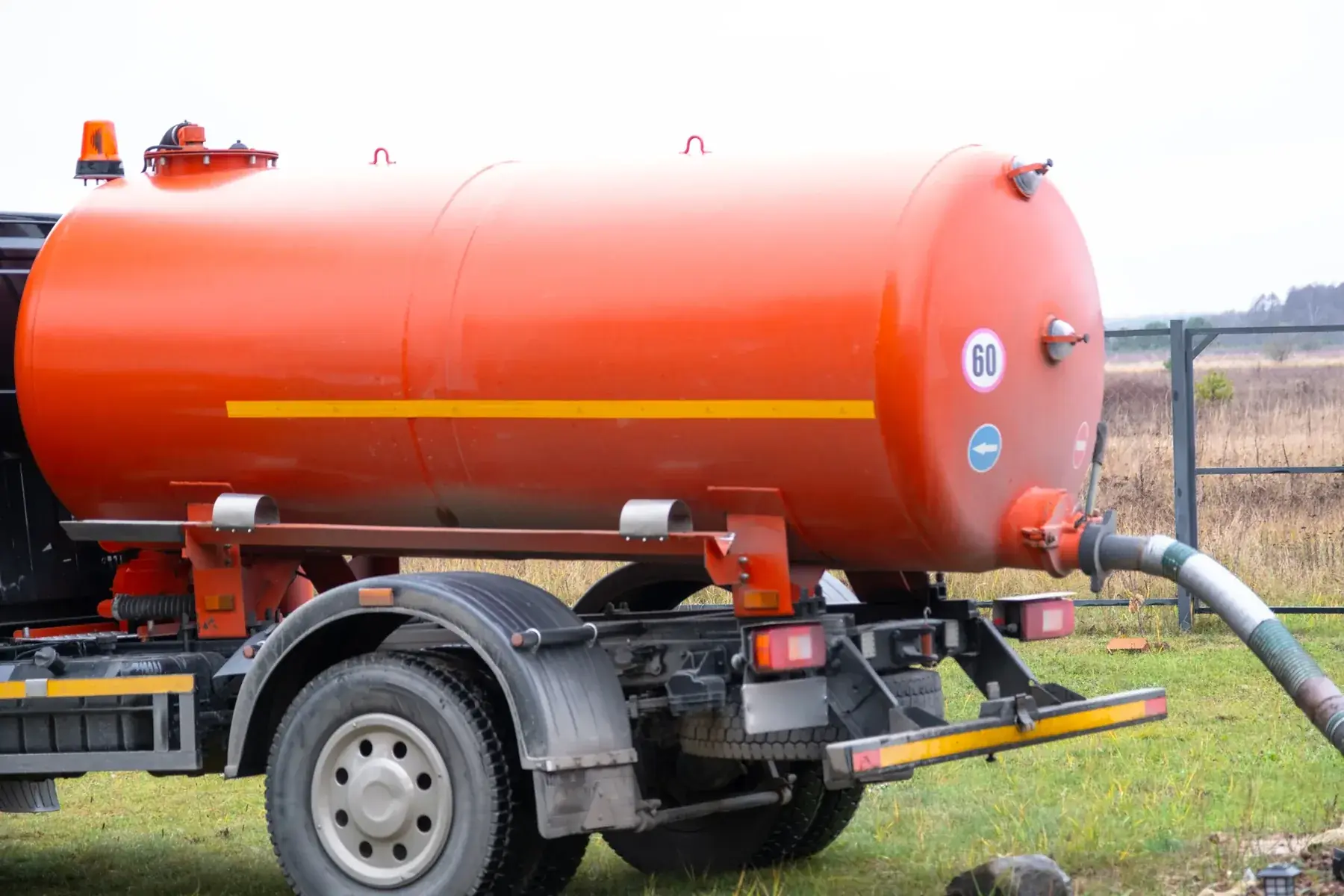
Industrial sludge removal
Sludge Removal Guides
Sludge removal brings together material assessment, access planning and a suitable route for the removed waste. The practical challenge depends on where the sludge formed and what it contains. A settled industrial process residue differs from a pond deposit or a treatment-system sludge. These guides focus on industrial and wastewater sludge decisions, helping site teams describe the job before selecting a removal approach.
Sludge EWC Codes
How to choose EWC codes for sludge, covering chapter precedence, mirror entries, RPS 231 and the codes most often used for sewage and interceptor sludge.
View detailsSludge Removal Cost
What drives sludge removal cost, including volume, water content, classification, access and disposal route, and how sampling and dewatering can affect the quotation.
View detailsSludge to Land
Regulated guidance on sludge to land: soil and sludge testing, metal limits, pH, crop restrictions, the Safe Sludge Matrix and nation differences.
View detailsSludge Volume Index
How to calculate sludge volume index, interpret SVI results, and understand what bulking means for sludge handling.
View detailsSludge Sampling
Why representative sludge sampling matters, how settled layers affect results, and what laboratories test for before disposal or classification.
View detailsSludge Contaminants
A guide to common sludge contaminants, how they are detected, and why detection alone does not decide hazardous waste classification.
View detailsEstablish what is present
Start with the process that produced the sludge, the vessel or area containing it and any available records. Describe the liquid and settled layers separately where possible. Changes in production, treatment chemicals or past contents may help explain why material now differs from an earlier analysis.
A name such as interceptor sludge does not establish its full composition or waste classification. Source information and representative sampling can support the assessment. Sampling location, depth, timing and representativeness matter alongside the laboratory result. A sample from the liquid surface may not describe settled material at the bottom of a tank.
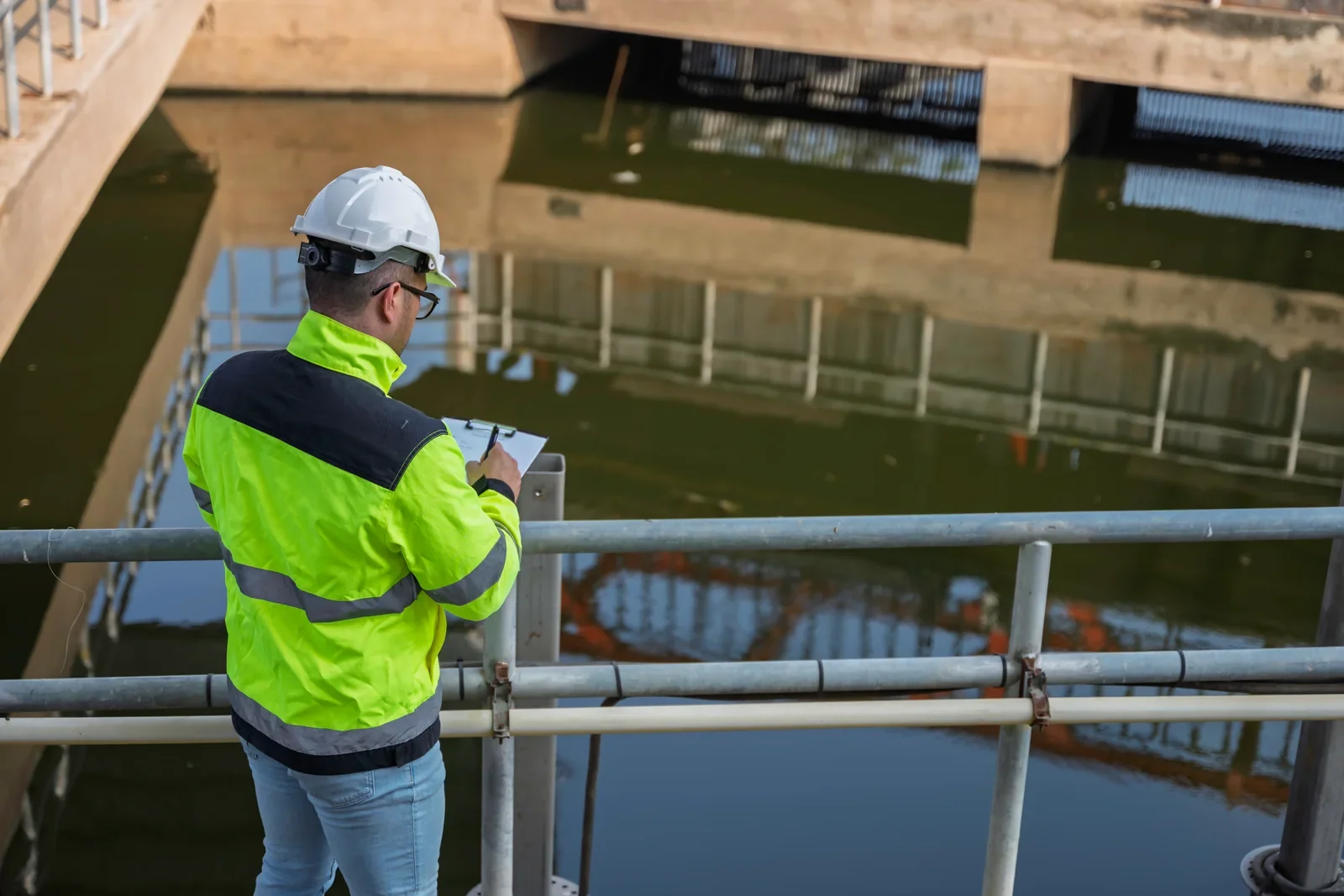
Estimate quantity without confusing volume and solids
Tank dimensions and sludge-depth measurements can help estimate the volume requiring attention, but an estimate should state its assumptions. Irregular shapes, inaccessible areas and uneven deposits affect confidence. Distinguish the tank capacity from the quantity of material to be removed.
Water content also matters. Two similar volumes can behave differently during pumping, handling and treatment. Solids concentration and material consistency can affect the removal method and receiving arrangements. Sludge volume index is a treatment-process measurement; it is not a substitute for measuring the physical quantity in a tank.
Connect access and removal planning
Describe vehicle access, the distance to the material, available openings and any obstructions. Include whether the process can be stopped and what other plant or services share the area. These details help establish what needs assessment before the working method and programme can be agreed.
Removal may involve more than extracting free liquid. Settled or adherent material can require a different approach, and the remaining condition needs a clear definition. Separate the required sludge removal outcome from any additional cleaning, inspection or repair work in the brief.
Choose the waste route from evidence
The waste assessment and receiving facility requirements need to inform the destination. A route suitable for one sludge stream may be unsuitable for another. Dewatering changes the quantities and forms being handled, but it does not by itself establish that either separated fraction is non-hazardous or suitable for discharge.
Waste classification uses the source process, material composition, applicable List of Waste code and assessment of hazardous properties. Laboratory results must be interpreted alongside the process information. Land application is a separate regulated subject, with material-specific and jurisdiction-specific conditions. It should not be assumed to be available merely because a sludge contains organic matter.
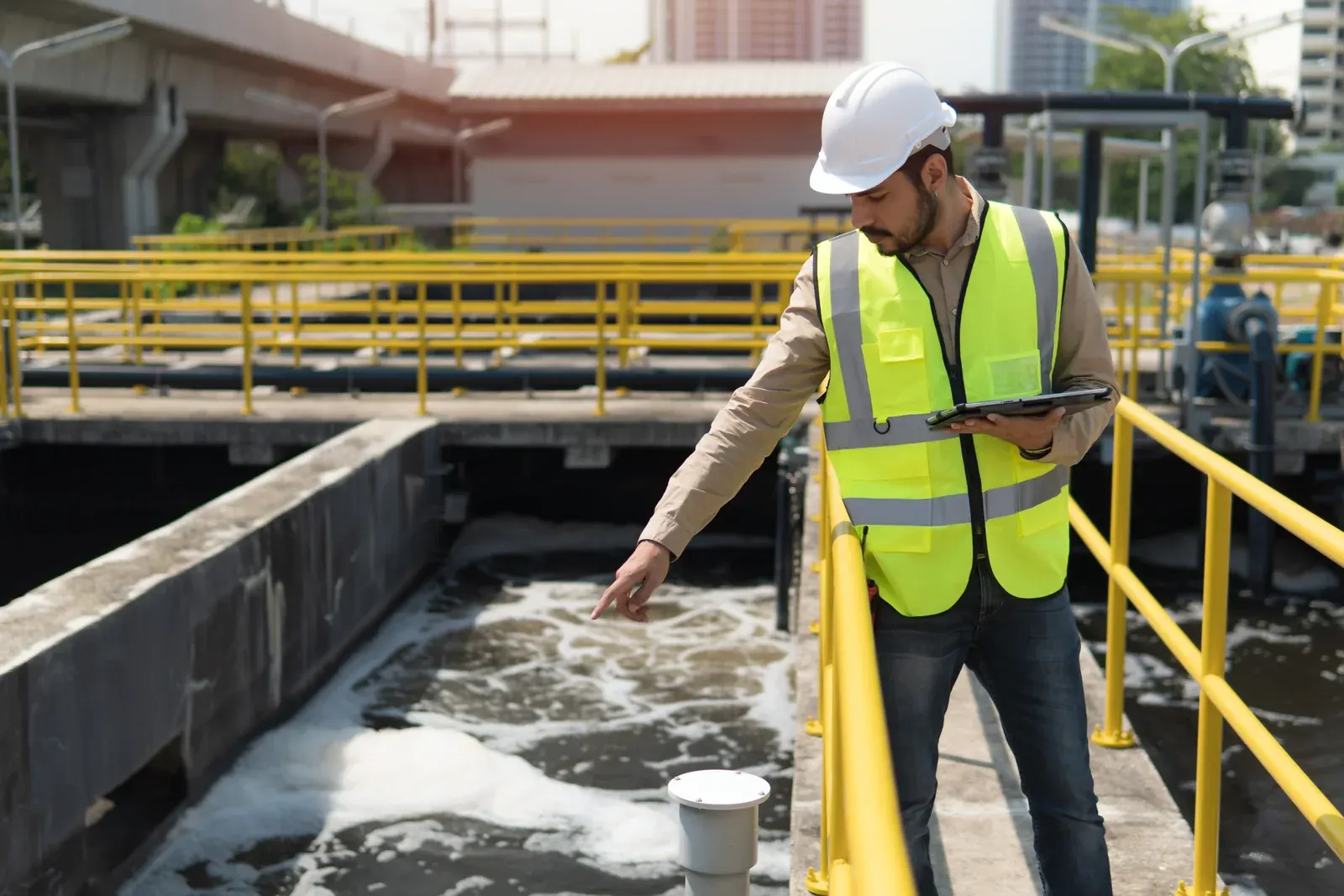
Record the quantities, conditions and waste route
A useful sludge record distinguishes measured volume from estimated volume, free liquid from settled solids and material removed from material left in place. Changes in consistency or composition can alter the appropriate handling and receiving arrangements. Where a tank contains several distinct layers, record how the quantities were established and whether each layer has been assessed separately.
Factors affecting the amount of work include sludge depth, solids content, accessibility, transport distance and the destination authorised to receive the material. The sludge removal cost guide addresses the cost subject separately. Waste transfer or consignment records, as applicable, should identify the waste moved, while the completion record distinguishes the material removed from any additional cleaning or inspection.
Free online tool
Sludge EWC Code Checker
Look up sludge sources, possible contaminants and waste-code candidates.
Common questions
Frequently asked questions
Can sludge be classified from its appearance?
Appearance can help describe the material, but it does not establish its composition or hazardous properties. The source, process information and any relevant analysis need to support the assessment.
Does sludge removal include cleaning the tank?
That depends on the agreed scope. Specify whether the required result is removal of bulk material, removal of settled deposits, a defined cleaning condition or preparation for a further inspection.
Request a quote
Complete the form and we will get back to you.