
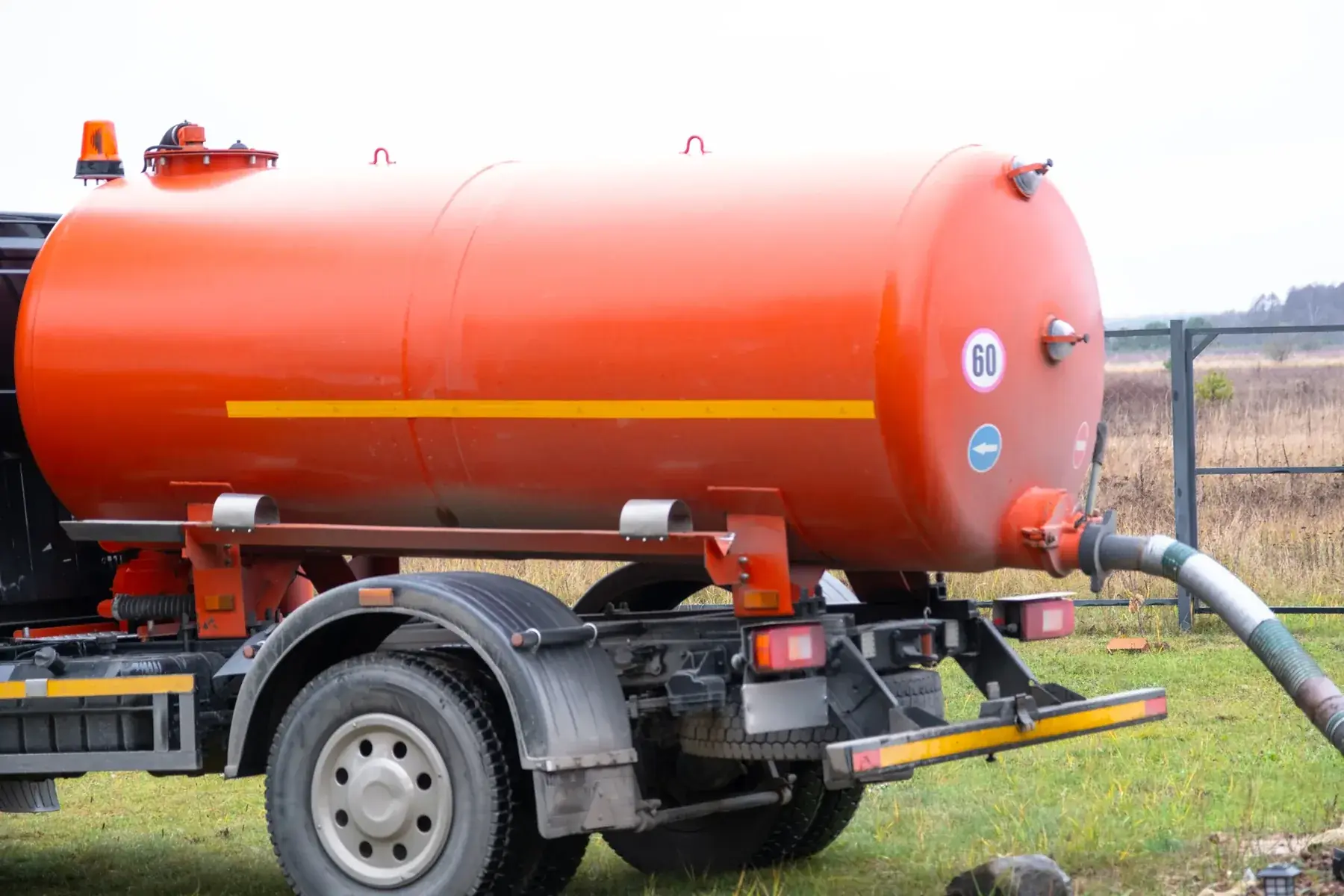
Industrial sludge removal
Drilling Mud Disposal
Drilling mud keeps a bore stable and carries cuttings to the surface, but it becomes a waste stream once it is spent or surplus. Disposal depends on the fluid chemistry, the solids it holds and the space you have on site.
What Drilling Mud Is and How Drain Discharge Is Controlled
Drilling mud is an engineered fluid, usually water mixed with bentonite clay, polymers or both. It cools the bit, lifts cuttings and helps support the bore. In piling, diaphragm walling, horizontal directional drilling (HDD) and water or geothermal boreholes, the formulation varies with the work and ground conditions.
Spent mud is not clean water. It can carry fines, sand, cement, oil or additives. It should not be discharged to a surface water drain, foul sewer or watercourse unless the relevant discharge is authorised and its conditions are met. Where no authorised reuse or discharge route has been confirmed, contain the material and arrange a suitable waste route.
Volume is often the practical problem. We can help plan containment, treatment and removal around the drilling programme so that storage capacity and collection arrangements are considered before they become a constraint.
Bentonite Slurry Disposal and Polymer Fluid Disposal
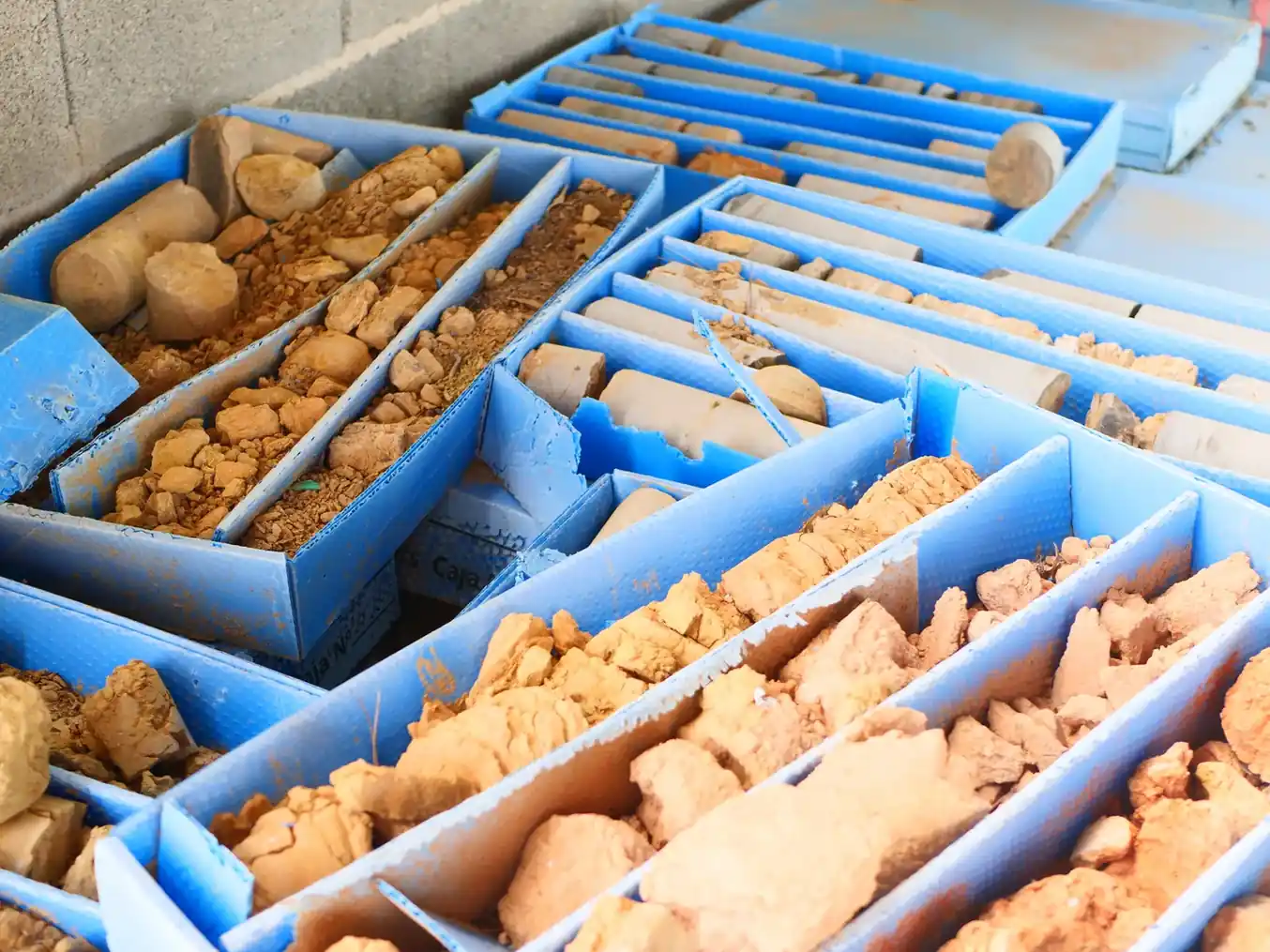
Bentonite slurry and polymer drilling fluids can need different treatment. Their behaviour depends on the formulation, solids content and any contaminants picked up during drilling, so the removal and treatment route should be based on the actual material.
Freshwater drilling muds and wastes may fall under EWC code 01 05 04. Code 01 05 07 covers barite-containing drilling muds and wastes other than those covered by the hazardous entries 01 05 05* and 01 05 06*. Oil-containing drilling muds and wastes are covered by 01 05 05*. The correct code must follow the actual waste description, and analysis may be needed where the composition or hazardous properties are uncertain.
Do not assume that a fluid described as water-based is automatically non-hazardous. Additives, site contamination and the solids picked up underground can change the picture. The sludge waste classification page explains how the assessment works in more detail.
Reuse and Treatment Before Disposal
The first question is whether the fluid can be cleaned and put back to work. Desanding and desilting remove the coarse fraction, and a centrifuge or filter press can recover water for reuse in the next bore. That reduces the volume sent for disposal and the number of tanker movements.
Where reuse is not practical, dewatering concentrates the solids into a cake or thickened slurry that is easier to handle. The liquid fraction may still need treatment or tankered disposal. Sludge dewatering covers the equipment and the limits of what can be achieved with a given mud.
Dewatering does not automatically make a waste non-hazardous. The resulting cake and separated liquid should be assessed for their actual composition and intended route, with the classification and supporting information kept with the waste records.
Classification and Documentation
Waste classification should follow the applicable WM3 guidance and regulator requirements for the UK nation where the waste is produced. The code is only part of the story. The hazardous properties of the waste, the chemical composition and the physical form all feed into the assessment.
Oil-based muds are the clearest example. The absolute hazardous entry means the waste is hazardous regardless of concentration testing. For water-based muds, the picture is less certain and depends on what the fluid has picked up and what was added at surface.
Waste documentation supports traceability. It does not prove legal compliance on its own, and a waste transfer note or consignment note is only as good as the information behind it. Keep the analysis, the classification decision and the duty of care checks together. The Environment Agency’s waste classification technical guidance is the reference point for the assessment.
On-Site Storage and Tanker Access
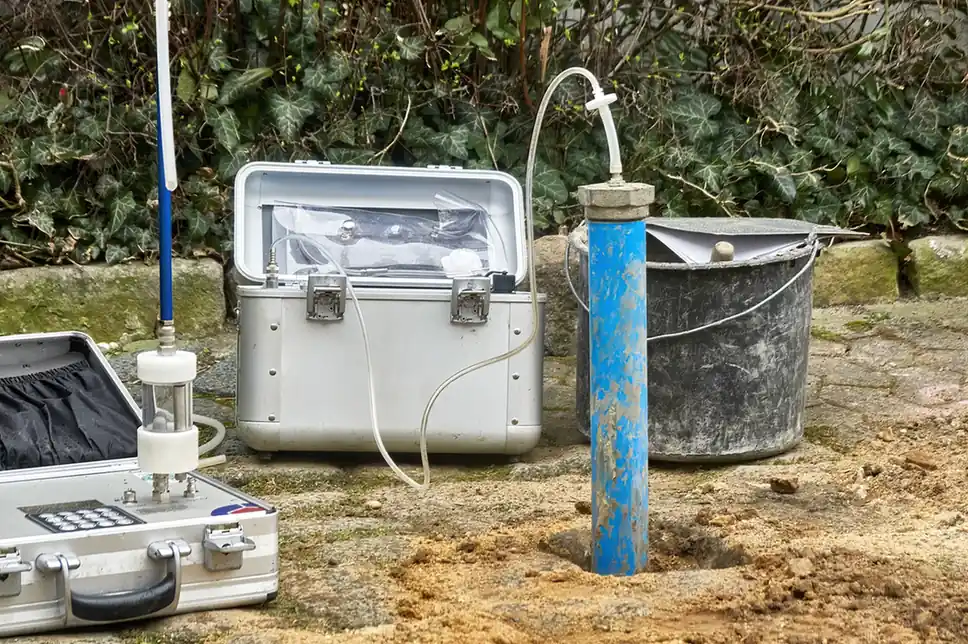
Mud pits, tanks and skips all need to be sized for the peak volume, not the average. A pit that is adequate for normal drilling can overflow when a hole is swept or a trench is cleaned. Secondary containment matters where the pit is near a drain, a watercourse or a slope.
Collection access can be a limiting factor. Vehicle position, ground conditions, hose route and site traffic need checking before a collection is booked. Vacuum tanker hire may be suitable where the material and access allow it.
Where the mud is in a confined pit or tank, entry should be avoided. Work from outside the space wherever possible. If entry is unavoidable, the Confined Spaces Regulations 1997 require a safe system of work and emergency arrangements before anyone goes in.
Programme Pressure and Site Constraints
Drilling mud disposal is usually driven by the construction programme. A full pit stops the rig, and a stopped rig costs money. The practical answer is to plan the removal route before the first bore, not when the pit is full.
That means knowing the likely volume, the classification, the treatment option and the receiving site’s requirements. Some facilities will not accept certain muds, and some will only take dewatered material. Confirming this early avoids a load being turned away.
Weather, groundwater and the nature of the ground all affect how much mud is generated and how quickly it can be treated. A site with high groundwater ingress may produce more dilute mud than expected, which increases tanker volumes but can make treatment easier.
How We Can Help
We can help with the assessment, treatment and disposal of drilling muds from piling, diaphragm walling, HDD and borehole projects. That includes reviewing the fluid chemistry, advising on reuse and dewatering options, and arranging removal where the material cannot be dealt with on site.
We can also help with related construction sludges, including construction sludge removal and slurry removal where the same site has several waste streams. The aim is to keep the rig working and the paperwork in order.
For a specific project, the starting point is a clear description of the mud, the volume and the site constraints. From there the disposal route can be confirmed and the programme planned around it.
Free online tool
Sludge EWC Code Checker
Look up sludge sources, possible contaminants and waste-code candidates.
Common questions
Frequently asked questions
Can bentonite slurry go down the drain?
Not as a routine discharge. Bentonite and polymer fluids carry suspended solids and can set in a drain, and a surface water drain or watercourse would normally be prohibited. A foul sewer discharge may be possible with a trade effluent agreement, but the consent conditions on solids, pH and flow must be met. The safe default is containment and removal as waste.
Is all drilling mud hazardous?
No. Freshwater drilling muds may be non-hazardous, but the correct classification depends on the waste description, additives and contaminants picked up during drilling. Oil-containing drilling muds and wastes are covered by hazardous entry 01 05 05*. Where the composition is uncertain, analysis may be needed to support the classification.
Can drilling mud be reused on site?
Sometimes. Desanding and desilting can recover a usable fluid for less demanding bores, and a centrifuge or filter press can return water for mixing. Reuse depends on the solids content, the chemistry and the specification for the next bore. Where reuse is not practical, dewatering reduces the volume sent for disposal.
What EWC code applies to drilling mud?
Relevant entries include 01 05 04 for freshwater drilling muds and wastes, 01 05 07 for barite-containing drilling muds and wastes other than the hazardous entries, and 01 05 05* for oil-containing drilling muds and wastes. The code must match the actual waste, and other hazardous properties may still need assessment.
Request a quote
Complete the form and we will get back to you.