
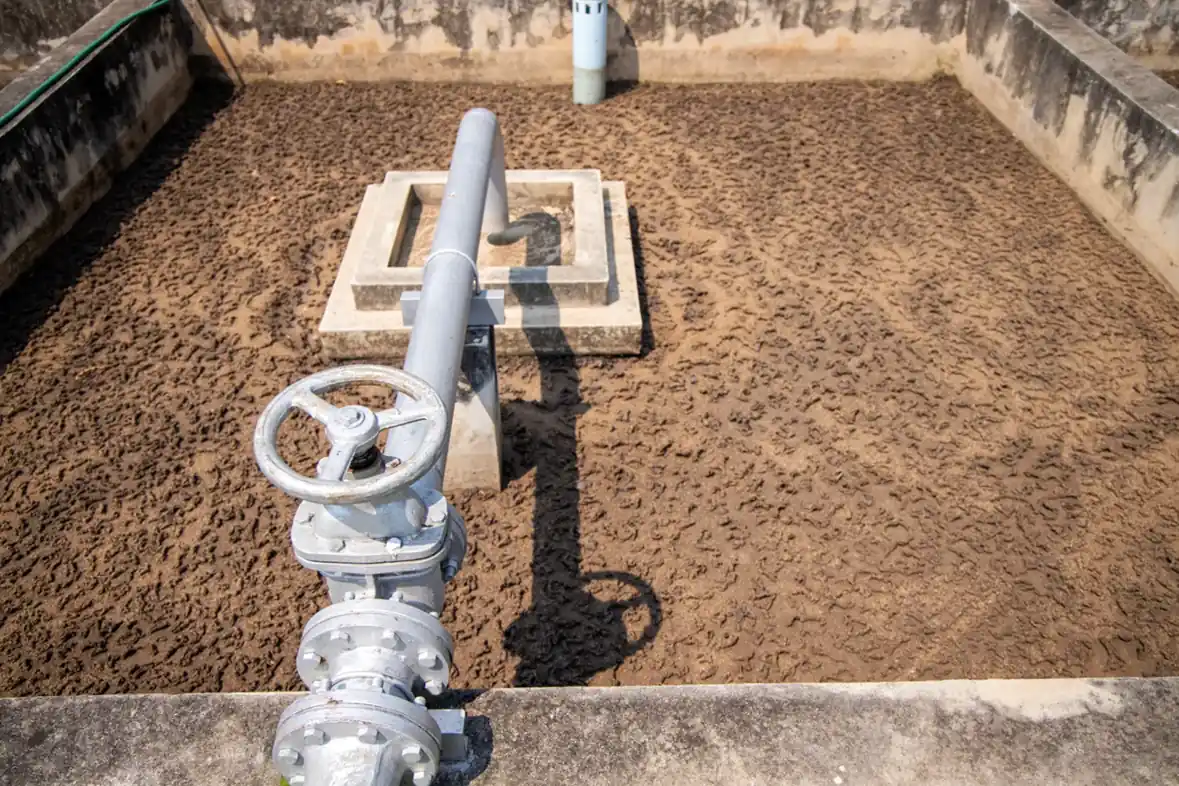
Industrial sludge removal
Construction Sludge Removal
Construction sites can generate silty water, cement fines, bentonite and other sludge that needs controlled removal or treatment. We can help with construction sludge removal, including settlement lagoons, wheel wash pits and concrete washout, with the disposal or discharge route confirmed for the material involved.
What construction sludge can contain
Sludge on a construction site is rarely one substance. It is a mixture that changes as the groundworks progress. Excavation dewatering can lift fine silt and clay into suspension. Piling and diaphragm walling produce bentonite slurry that thickens as it is reused. Concrete pouring and washing out create a highly alkaline liquid carrying cement fines. Wheel wash pits collect grit, mud and oil residues from vehicle movements. Settlement lagoons and attenuation ponds then hold whatever the site has washed into them.
Each of those streams behaves differently when it settles. Coarse grit drops out quickly. Clay and cement fines can stay in suspension for hours or days, which is why a lagoon that looks clear at the top can still be carrying a significant solids load. We can help with construction sludge removal where the material has to be taken out, treated or prepared for disposal.
Why Silty Water and Cement Fines Need Care
Silty water discharged to a watercourse or surface water drain can smother gravel beds and fish spawning habitat. In England, the Environment Agency treats unauthorised silty discharges as pollution, and enforcement can follow. Similar controls apply in Wales, Scotland and Northern Ireland, though the regulator and the paperwork differ.
Cement and concrete washout can be strongly alkaline. Under WM3 waste classification guidance, material with a pH of 11.5 or above should be considered HP8 corrosive unless further testing demonstrates otherwise. That does not make every concrete washout automatically hazardous. The actual material still needs to be assessed rather than classified from its name alone.
Bentonite slurry brings its own handling issues. It is thixotropic, so it can be pumped when agitated but becomes thick when left still. It also carries the chemistry of the borehole or trench, which may include additives. A sample taken before removal is more useful than a guess based on the product name.
Removal Methods and What Suits Each Situation
The method follows the material, the access and the space available.
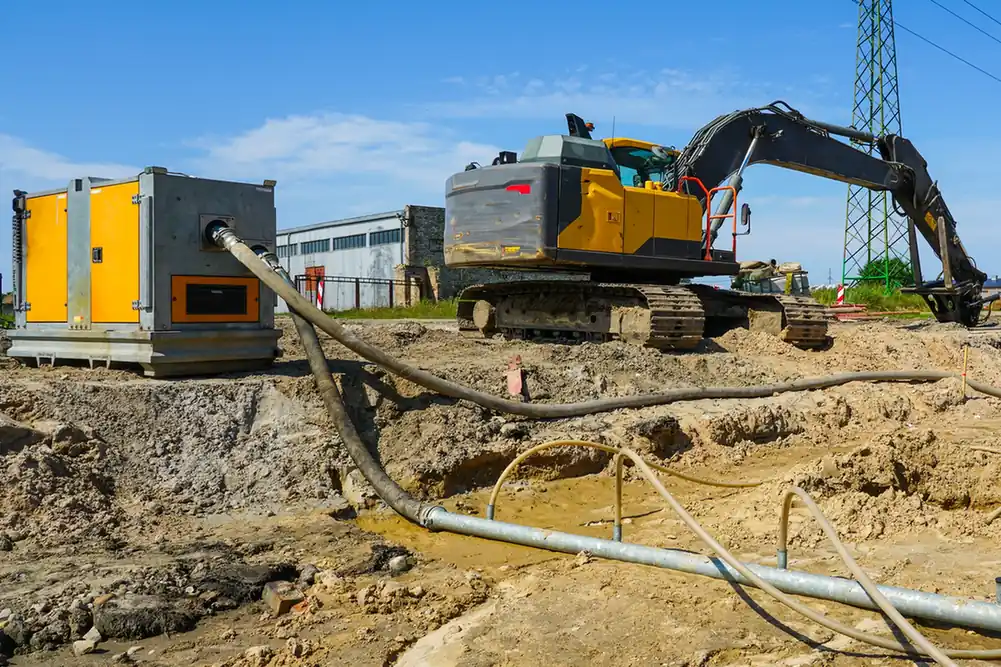
- Vacuum tankers suit liquid-heavy sludges, wheel wash pits and wet settlement lagoons where the material can be drawn through a hose. They are less effective where the sludge is too thick to flow or where the tanker cannot get close enough.
- Geotextile bags and tubes allow dewatering on site. The bag retains solids while water drains through the fabric. The drained water still needs a destination, and its quality determines whether it can be reused or must be tankered away.
- Mechanical excavation is used where sludge has consolidated and can be dug. It needs a stable working platform and a plan for the excavated material.
- On-site separation can reduce the volume that leaves site. A settlement tank, lamella clarifier or filter press may be appropriate, but each needs space, power and a route for the separated water.
We can help with construction sludge removal and with the dewatering step that often comes first. The aim is usually to reduce the water content so that fewer tanker movements are needed and the solids can be handled as a solid waste rather than a liquid.
Waste Codes and Classification
Construction sludges commonly fall under a small number of codes, but the correct one depends on the source and the analysis.
| Code | Description | Typical source |
|---|---|---|
| 17 05 04 | Soil and stones other than those mentioned in 17 05 03 | Excavated silt and clay, some lagoon solids |
| 01 05 04 | Fresh water drilling muds and wastes | Bentonite and water-based drilling slurry |
| 10 13 14 | Waste concrete and concrete sludge | Concrete washout, cement fines |
| 17 01 01 | Concrete | Hardened concrete arisings |
Those codes are starting points, not conclusions. A waste code from a list does not by itself decide whether the waste is hazardous. That requires classification under the technical guidance, using the composition of the material and any relevant hazardous properties. A sample result showing elevated pH, hydrocarbons or metals may change the picture. The sludge waste classification page explains how that assessment is structured.
Dewatering does not by itself make a waste non-hazardous. It creates separated solid and liquid fractions that need to be assessed and described according to their actual composition and properties.
Documentation and Duty of Care
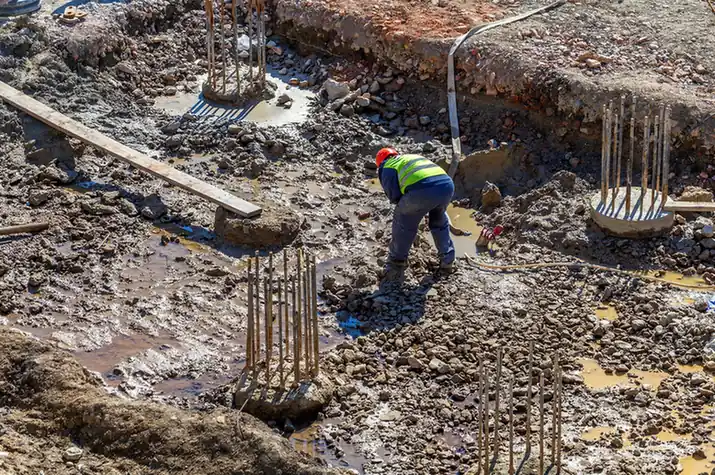
Construction sludge removed as waste is subject to waste duty-of-care requirements. In England and Wales, the waste duty of care code of practice explains the checks, description and transfer information expected when waste is passed to another holder. Scotland and Northern Ireland have their own requirements.
Waste documentation supports traceability. It records what left site, when and to whom. It does not prove that the whole operation was legally compliant, and it does not replace the classification decision. Keep the sample results, the transfer notes and the destination records together so the chain is clear.
Planning the Work Around the Programme
Sludge removal often competes with other site activities for access and space. A few practical points help.
- Confirm what information is needed before removal. Where classification is uncertain, sampling or analysis may be required before a receiving facility can accept the material.
- Decide where the water goes. Dewatering produces a liquid stream. If it cannot be reused on site or discharged under an appropriate permit, it needs a tanker route.
- Check access for the removal method. Tanker hose runs, bag locations and excavator platforms all need room.
- Keep the lagoon or pit working. Partial removal during a busy period may be better than a full shutdown later.
We can help with construction sludge removal, wheel wash cleaning, concrete washout disposal and settlement pond cleaning. Related work includes silt removal, drilling mud disposal and sludge dewatering.
Safety and Competence
Some construction sludges are held in pits, tanks or chambers that may meet the definition of a confined space. Where the Confined Spaces Regulations 1997 apply, entry should be avoided where possible; if entry is unavoidable, a safe system of work and adequate emergency arrangements are required. The HSE guidance on confined space legislation explains those duties.
Where sludge may be hazardous, its classification and the applicable movement requirements should be confirmed before it leaves site. The linked hazardous waste guidance covers England; use the relevant national regulator’s guidance for work elsewhere in the UK.
Cost Drivers
There is no single price for construction sludge removal. The main drivers are the volume and water content, whether the material is hazardous, the distance to a suitable facility, access for tankers or plant, and how much dewatering can be done on site. A quote based on a sample and a site visit is more reliable than a figure based on a description alone. The sludge removal cost page explains the factors without inventing ranges.
Free online tool
Sludge EWC Code Checker
Look up sludge sources, possible contaminants and waste-code candidates.
Common questions
Frequently asked questions
Can construction sludge go to a surface water drain?
Generally no. Silty water and concrete washout can cause pollution and may need a permit or consent before any discharge. In England the Environment Agency regulates these discharges, and the other UK nations have their own regulators and rules. The safe approach is to contain the water and confirm the permitted route before discharge.
Is concrete washout always hazardous waste?
Not automatically. High pH is a hazardous property, and the technical threshold for HP8 is pH 11.5 or above. Whether a particular washout is hazardous depends on the measured pH and the rest of its composition. Classification should be based on a sample and the technical guidance, not on the material name alone.
Does dewatering make the waste non-hazardous?
Not by itself. Dewatering reduces water content and volume, but the resulting solid and liquid fractions still need to be assessed for their actual composition and hazardous properties. Classification should be reviewed where treatment changes the material.
What codes are used for construction sludges?
Common starting codes include 17 05 04 for soil and stones, 01 05 04 for fresh water drilling muds, 10 13 14 for waste concrete and concrete sludge, and 17 01 01 for concrete. The correct code depends on the source and the classification assessment.
Request a quote
Complete the form and we will get back to you.