
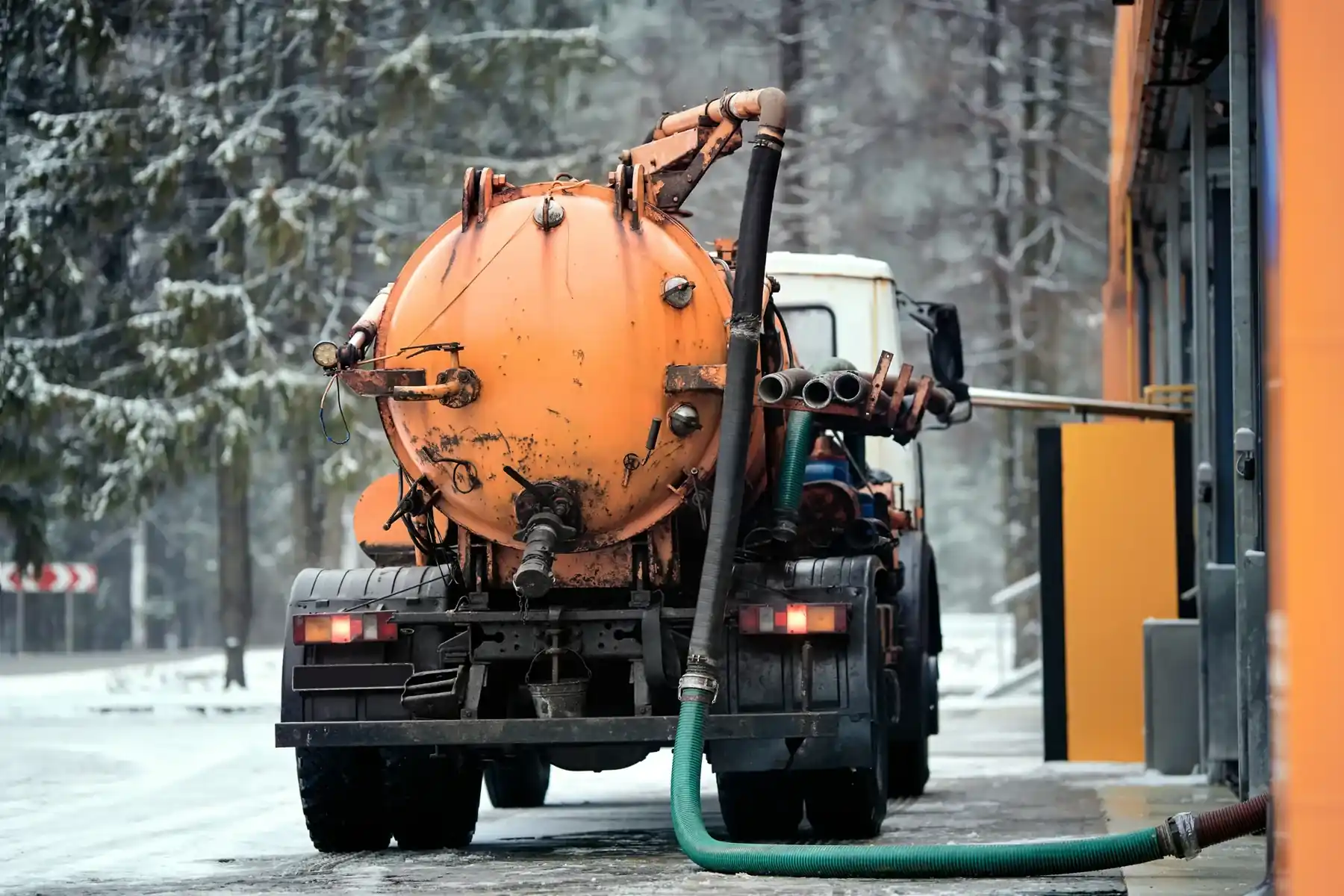
Industrial sludge removal
Liquid Waste Disposal
Liquid waste covers a wide range of materials, from washwater and oily water to leachate and trade effluent. The disposal route depends on what the liquid contains, its volume, where it is held and what the receiving site or sewer can accept. We can help with liquid waste disposal projects.
What Counts as Liquid Waste
Liquid waste is a broad term. It includes aqueous liquids produced by industrial processes, washwater from vehicle or plant cleaning, oily water from interceptors and separators, firewater from testing or containment, leachate from landfills and contaminated runoff from yards. Some of these are dilute and relatively predictable. Others carry dissolved metals, hydrocarbons, suspended solids or organic load that changes how they can be treated.
The physical state matters as much as the chemistry. A liquid that pours freely can usually be pumped and tankered. A liquid with high solids may need settling or separation before it can be moved. A liquid that has separated into layers, such as oil on water, needs each layer assessed separately because the oil phase and the water phase may not share the same waste code.
We can help with liquid waste disposal for effluent, oily water, washwater, firewater and leachate, including the assessment and collection stages that sit alongside sludge work.
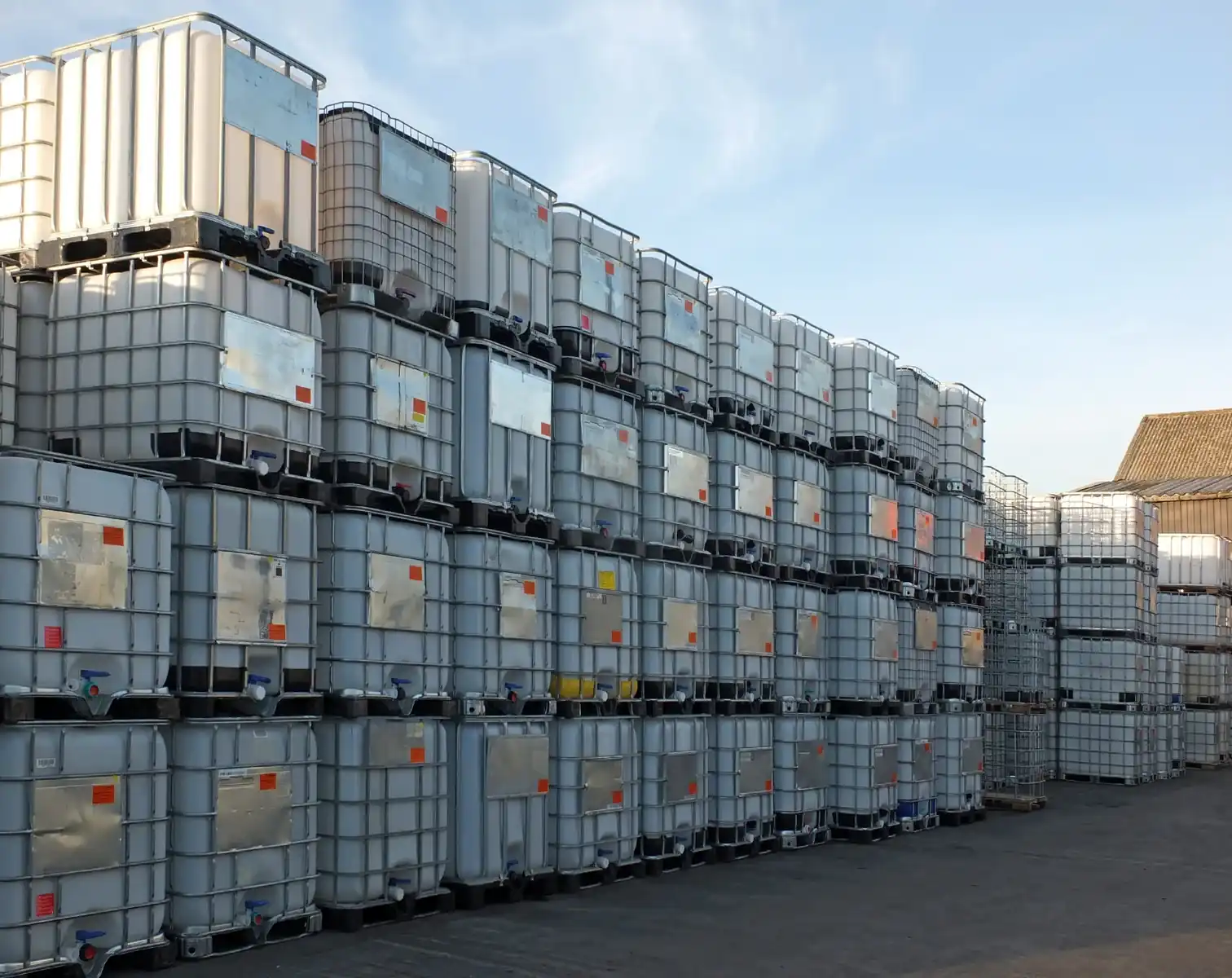
Why Liquid Waste Needs a Different Route
Liquid waste cannot be accepted at landfill as liquid waste. In England, current landfill guidance expressly includes wastewater and excludes sludge from that definition. The appropriate route may instead involve authorised treatment or, where the water company has agreed it, discharge to sewer under a trade effluent consent.
The landfill ban is one reason liquid waste disposal is often more about treatment than about tipping. A treatment route has to be able to accept the liquid, process it and discharge or dispose of the resulting residues lawfully. Not every treatment facility accepts every liquid. Capacity, permit conditions and the chemistry of the incoming load all affect whether a route is available.
Classification and Waste Codes
Liquid wastes commonly fall under a small number of entries in the List of Waste, also called the European Waste Catalogue or EWC. Aqueous liquid wastes destined for off-site treatment may fall under 16 10 01* where they contain hazardous substances or 16 10 02 where they do not. Oily water from oil and water separators may fall under 13 05 07*, while landfill leachate falls within 19 07. The correct code depends on the source and composition of the actual waste.
A code is not assigned from a name alone. The same description, such as oily water, can be hazardous or non-hazardous depending on the concentration of hydrocarbons, metals or other substances present. Classification under the Environment Agency’s technical guidance WM3 requires the producer to consider the composition of the waste, the process that produced it and the substances it contains. Where the composition is uncertain, sampling and analysis give a defensible basis for the code.
We can help with liquid waste classification and sampling so that the code, the treatment route and the documentation line up. More detail is available on sludge waste classification and sludge sampling.
Treatment Routes for Liquid Waste
Most liquid waste is treated rather than simply disposed of. The main routes are physico-chemical treatment, biological treatment and discharge to sewer under a trade effluent consent.
Physico-chemical treatment
Physico-chemical treatment uses chemical dosing, pH adjustment, coagulation, flocculation, sedimentation or filtration to separate contaminants from the liquid. It suits liquids carrying metals, suspended solids, oils or emulsions. The treatment produces a treated liquid, which may be discharged under a permit, and a sludge or filter cake that needs its own disposal route.
Biological treatment
Biological treatment uses micro-organisms to break down organic material. It suits liquids with high biochemical oxygen demand, such as food processing washwater or certain effluents. Biological treatment is sensitive to toxic loads, so a liquid that contains solvents or heavy metals may need pre-treatment or a different route.
Discharge to sewer
Some liquid waste can be discharged to sewer under a trade effluent consent. A trade effluent consent can set conditions such as permitted volume or flow and limits for characteristics or substances relevant to the discharge. Discharging without a consent, or outside its conditions, is not a lawful route. The water company’s requirements must be confirmed before a liquid is sent to sewer.
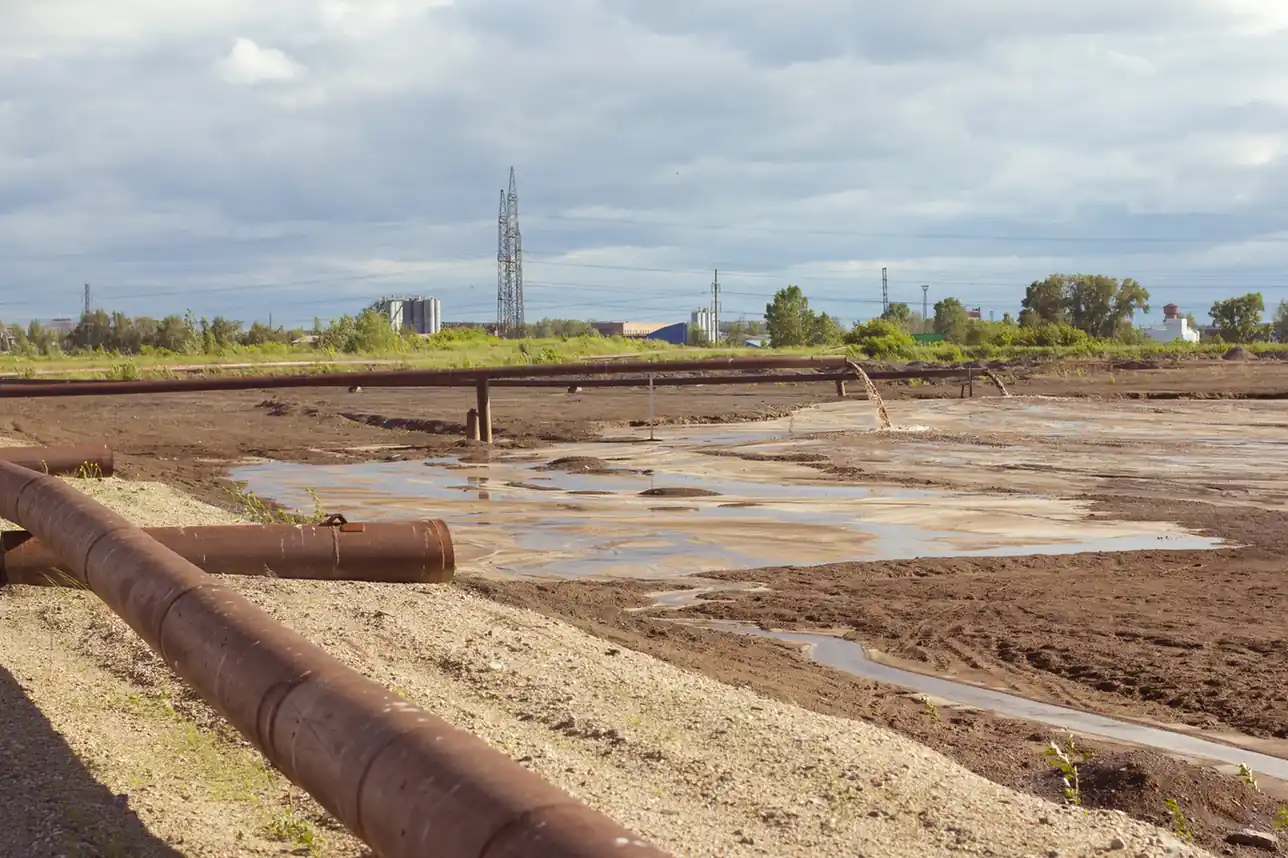
Collection and Tanker Movement
Liquid waste is usually collected by vacuum tanker or by pumping from a holding tank, sump or lagoon. The practical questions are access, volume, viscosity and whether the liquid can be pumped without blocking the hose or the tanker. Liquids with high solids may need a different pumping method, settling, separation or other appropriate handling before collection.
Tanker capacity, journey distance and the receiving facility’s opening pattern all affect how a liquid waste disposal job is planned. A single tanker load may be enough for a small sump, while a lagoon or a large holding tank may need several loads or a temporary storage arrangement. We can help with tanker collection and with the treatment route that follows. Related work is covered under vacuum tanker hire and interceptor emptying.
Documentation and Duty of Care
Liquid waste movements are controlled by the duty of care. The producer, carrier and consignee each have responsibilities for making sure the waste is managed lawfully and does not escape. For hazardous liquid waste, a consignment note is required in England, Wales and Scotland, with separate arrangements in Northern Ireland. Non-hazardous liquid waste still needs a waste transfer note.
Waste documentation supports traceability. It records what was moved, by whom and to where. It does not, on its own, prove that the waste was classified correctly or that the receiving site was suitable. Those points depend on the assessment behind the paperwork. The Environment Agency’s duty of care code of practice sets out the framework for England and Wales, and the waste classification technical guidance covers how codes are assigned.
Safety and Specialist Work
Some liquid waste sits in tanks, sumps, pits or lagoons that are confined spaces. Work in those spaces is safety-critical and must be carried out by competent specialist teams under the Confined Spaces Regulations 1997. The HSE guidance on confined spaces sets out the duties to avoid entry where possible, follow a safe system of work and put emergency arrangements in place before work starts.
Liquids can also release gases, vapours or mists that are flammable, toxic or oxygen-depleting. A liquid that looks calm on the surface may still present an atmosphere hazard in the headspace above it. We can help with liquid waste disposal where the work involves tanks, sumps or other confined spaces, using specialist teams for the physical work.
Working Across the UK
The regulators and hazardous waste movement procedures differ across England, Wales, Scotland and Northern Ireland. The waste must be classified correctly and the documentation used for the nation in which the movement takes place.
We can help with liquid waste disposal projects across the UK, including effluent removal, tanker waste disposal, aqueous waste disposal and trade effluent disposal. If you are dealing with a liquid that sits alongside sludge, the related pages on sludge disposal and wastewater sludge removal cover the solid side of the same job.
Free online tool
Sludge EWC Code Checker
Look up sludge sources, possible contaminants and waste-code candidates.
Common questions
Frequently asked questions
Can liquid waste go to landfill?
Liquid waste cannot be accepted at landfill as liquid waste. In England, current landfill guidance includes wastewater but excludes sludge from the liquid-waste definition. The appropriate route may be authorised treatment or, where the water company permits it, discharge to sewer under a trade effluent consent.
How is liquid waste classified?
Classification follows the List of Waste, also called EWC codes, and the Environment Agency's WM3 technical guidance. A code is not assigned from a name alone. The producer considers the process, the substances present and, where needed, sampling and analysis. The same description can be hazardous or non-hazardous depending on concentration.
Can liquid waste be discharged to sewer?
Sometimes, but only where the water company has authorised the discharge under the applicable trade effluent arrangements. The consent can set limits and other conditions specific to the discharge. Those requirements must be confirmed before a discharge is planned.
What documentation is needed for liquid waste?
Hazardous liquid waste needs a consignment note in England, Wales and Scotland, with separate arrangements in Northern Ireland. Non-hazardous liquid waste still needs a waste transfer note. Documentation supports traceability but does not by itself prove correct classification or that the receiving site was suitable.
Is liquid waste disposal work ever a confined space job?
Yes. Tanks, sumps, pits and lagoons can be confined spaces. Work in them is safety-critical and must be done by competent specialist teams under the Confined Spaces Regulations 1997, with entry avoided where possible and emergency arrangements in place before work starts.
Request a quote
Complete the form and we will get back to you.