Construction sludge often returns after pumping because water continues entering the excavation or site activity keeps disturbing fine material. Pumping removes the accumulated mixture at that moment, but it does not necessarily stop groundwater ingress, surface runoff or sediment entering the area. Identifying which process is occurring is essential before deciding whether another removal is worthwhile.
Find out where the new water and solids are coming from
Two excavations can look equally muddy while having very different problems. One may contain a deposit left by earlier groundworks. Another may continually receive water carrying fine soil particles.
Common sources of repeated accumulation include:
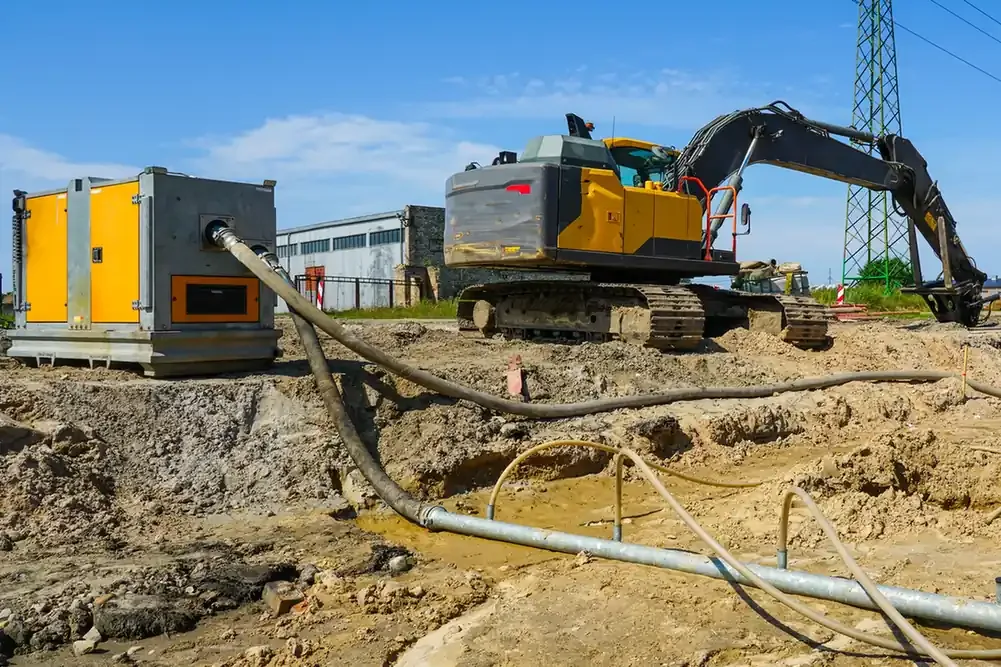
- Groundwater ingress: Water enters through the base or sides of an excavation and may carry fine material with it.
- Rainfall and surface runoff: Water travels across exposed ground, collecting loose soil before reaching a low point.
- Disturbed excavation material: Plant movement, digging and other operations put fine particles back into suspension.
- Adjacent working areas: Sediment from stockpiles, haul routes or disturbed ground reaches the excavation through uncontrolled runoff.
The timing provides useful evidence. Rapid accumulation during dry weather suggests a different source from muddy water appearing immediately after heavy rainfall. Equally, sludge that returns after machinery starts operating may result from previously settled material being disturbed.
Why pumping alone can leave the problem unresolved
Pumping removes what the equipment can collect, but small particles do not always behave like coarse debris. Fine silt and clay may remain suspended in water for considerable periods, particularly while the mixture is being agitated.
Once pumping stops and the water becomes calmer, suspended fines can gradually settle onto the excavation floor. This creates the impression that sludge has appeared again, even when part of the deposit comes from material already present in the water.
Alternatively, fresh water entering the excavation may introduce more particles. In that situation, repeated collection addresses the accumulation but not its source.
It is useful to distinguish three conditions:
- A fixed deposit that can be removed and is unlikely to return.
- Existing fine material that repeatedly settles after being disturbed.
- A continuing inflow that introduces additional water, solids or both.
Each condition points towards a different combination of removal, settlement and water management.
When settlement is useful
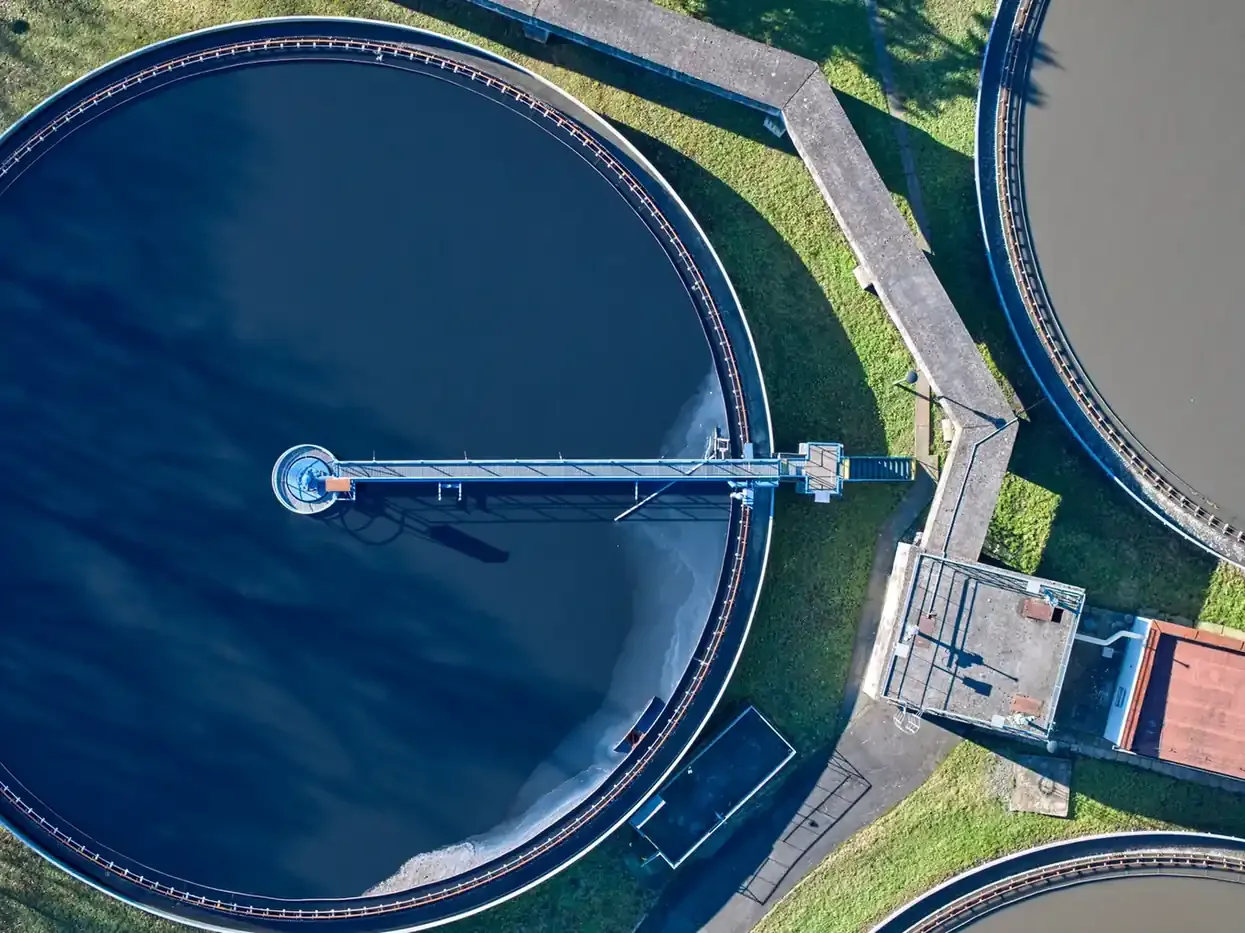
Settlement allows suspended particles to separate from water under relatively calm conditions. It can reduce the quantity of solids remaining in the liquid, although very fine particles may settle slowly.
Where water is repeatedly becoming muddy, separating the solids before further handling may be more appropriate than collecting every litre as a combined sludge mixture.
However, settlement is not the same as proving that water is uncontaminated. Water can remain unsuitable for discharge even when visible sediment has been removed.
The Environment Agency’s temporary excavation dewatering position statement applies in England only to specified short-term discharges of uncontaminated water to surface water. Its conditions exclude various contaminated site waters and require measures to minimise silt and water entering excavations.
Deciding between removal and ongoing water control
Where a settled deposit is obstructing excavation work, construction sludge removal may address the immediate requirement. Where the source is continuous, the wider site-water arrangements also need attention.
Useful questions for the site team include:
- Does the excavation refill when work has stopped?
- Does accumulation increase after rainfall?
- Is the returning material predominantly liquid or settled sediment?
- Are exposed soil, stockpiles or haul routes contributing fines?
- Has the water or sediment potentially contacted concrete washings, fuels or other site contaminants?
For substantial settled deposits, silt removal may form part of the response. Where water continually arrives, arrangements for intercepting, containing or treating that inflow may be equally important.
Recording the rate and timing of reaccumulation helps distinguish an isolated clean-up from a recurring water problem. The most effective arrangement deals with the material already present while addressing the mechanism that keeps bringing it back.