
Industrial sludge removal
Sludge Thickening
Sludge thickening concentrates solids before digestion, dewatering or tanker removal, reducing the amount of liquid that needs handling. We cover thickening methods, common operating problems, thickener cleaning and the removal of accumulated sludge.
What sludge thickening is
Sludge thickening concentrates dilute sludge by allowing solids to settle or float, or by mechanically separating part of the liquid. The resulting sludge has a higher dry solids content and normally remains pumpable. For the same mass of dry solids, less liquid means less sludge volume to store, pump or transport.
Thickening is a physical treatment process. It removes part of the liquid without deliberately destroying the solids or converting the sludge into a dry cake. Primary sludge, surplus activated sludge, water treatment residuals and many industrial sludges can be thickened before digestion, mechanical dewatering or tanker removal.
The choice of method depends on the sludge characteristics, existing equipment and what happens to the thickened material afterwards. Our sludge dewatering page covers the later stage, where further water removal produces a more solid material or cake.
Gravity thickeners and picket fence thickeners
A gravity thickener is a settling tank operated to concentrate solids. Feed enters through a feedwell, solids settle into a blanket near the floor, and clarified liquid leaves over a weir as supernatant. Thickened sludge is withdrawn from the bottom of the tank.
Blanket depth, solids loading and underflow withdrawal are important operating variables. A blanket that becomes too deep can increase the risk of solids carrying over into the supernatant. Excessive underflow withdrawal may produce a thinner sludge than required.
A picket fence thickener adds a slowly rotating frame of vertical pickets through the settled blanket. The pickets help release trapped water and encourage further consolidation of the solids. Rotation must be controlled to avoid disturbing the blanket and reducing separation performance.
- Hydraulic and solids loading affect how much sludge the thickener can process.
- Underflow withdrawal influences both blanket depth and the dry solids concentration of the discharged sludge.
- Extended sludge retention can encourage septicity, odour, gas production and floating sludge.
- Rising drive torque, persistent scum or increasing solids in the overflow can indicate an operating or maintenance problem.
Where a gravity thickener has accumulated grit, rag or compacted sludge, adjusting the operating conditions may not resolve the problem. Removing the deposits and inspecting the affected areas may be necessary before normal operation can be restored.
Mechanical and flotation thickening
Where gravity separation is unsuitable or insufficient, mechanical or flotation thickening may be used. Gravity belt thickeners drain conditioned sludge through a moving porous belt. Rotary drum and screen thickeners separate liquid through a perforated or screened surface. Screw thickeners use a rotating screw and screening arrangement to concentrate solids.
Dissolved air flotation uses fine air bubbles to carry suspended solids to the surface, where the thickened float is removed. This can be useful for surplus activated sludge and other material that does not settle effectively under gravity.
Mechanical and flotation systems commonly use polymer conditioning to improve floc formation and solids capture. The need for polymer, and the appropriate type and dose, depend on the sludge and the equipment. Gravity thickening of suitable primary sludge may operate without polymer.
Dry solids concentration is not the only measure of performance. Solids capture, polymer consumption, the quality of the separated liquor and the ability to pump the thickened sludge also matter. A unit can produce a concentrated underflow while allowing excessive fine solids to escape in the liquid stream.
What dry solids means for sludge volume
Dry solids content is central to sludge thickening. For a fixed mass of dry solids, increasing the solids concentration reduces the total wet sludge volume. As an illustration, thickening sludge from one per cent to three per cent dry solids reduces its approximate volume to one third of the original, assuming negligible solids loss and similar density.
This relationship matters when considering tanker movements, storage capacity, pumping arrangements and the hydraulic load on downstream treatment equipment. The actual reduction depends on the characteristics of the sludge and the performance of the thickening process.
There is also a practical limit to concentration. As dry solids increase, sludge can become more viscous and more difficult to pump. Pipe friction losses and pump requirements may change, particularly with fibrous or biological sludges.
Transfer equipment should therefore be considered alongside the thickening target. Our sludge pumping page covers the handling and transfer of sludge through pipework and pumping systems.
Thickening before digestion and dewatering
Thickening sludge before anaerobic digestion reduces the amount of water entering the digester for a given mass of solids. This can improve the use of available digester volume and reduce the amount of water requiring heating, although the overall benefit depends on the process and operating conditions.
The feed must remain suitable for the digester mixing and transfer systems. Sludge that is too thick can be difficult to mix and may contribute to uneven circulation or deposit formation. Accumulated material inside an existing digester is a separate maintenance issue, covered on our anaerobic digester cleaning page.
Before mechanical dewatering, thickening reduces the volume of liquid entering equipment such as centrifuges, belt presses and filter presses. Whether a separate thickening stage is worthwhile depends on the sludge characteristics, the throughput required and the treatment equipment already installed.
Liquors, supernatant and return flows
Sludge thickening produces a separated liquid stream. Depending on the process, this may be described as supernatant, filtrate or thickener liquor. It can contain fine suspended solids, ammonia and soluble organic material, so its handling needs to be considered alongside the thickened sludge.
- Return to an earlier treatment stage may be appropriate where the receiving works can accommodate the additional hydraulic and pollutant loading.
- Discharge to a public sewer may require a trade effluent consent from the sewerage undertaker, with conditions appropriate to the discharge.
- Collection for treatment elsewhere may be necessary where the liquid cannot be managed through existing site arrangements. See our liquid waste disposal page.
Direct discharge to a watercourse or land is subject to the applicable environmental controls and any required authorisation. The appropriate route depends on the liquid composition, the site arrangements and the relevant regulatory requirements.
Checking thickener performance
When a thickener is producing dilute underflow, carrying solids over the weir or struggling with increasing sludge levels, the cause should be established before changing the operating regime.
Feed and underflow dry solids measurements show how much concentration the process is achieving. Blanket depth, flow rates, withdrawal settings and the condition of the equipment provide additional information. Representative sampling is important because sludge can settle or stratify within tanks and pipelines.
For activated sludge, settleability testing and the sludge volume index can help explain whether the material is likely to separate effectively. These results are useful alongside the actual thickener operating data, rather than as a substitute for it. Our sludge volume index guide explains the calculation and its interpretation.
Persistent problems may be linked to changes in the feed, excessive loading, unsuitable conditioning, poor withdrawal control or accumulated material within the tank. The remedy depends on which of these factors is responsible.
Cleaning out a thickener and removing sludge
Thickeners can accumulate grit, rag, scum and other material that does not pass through the normal sludge withdrawal system. Deposits may collect around the base, rake mechanisms, pickets, hoppers and associated pipework.
Common signs include rising drive torque, uneven sludge movement, persistent scum, blockages and solids carrying over into the clarified liquid. Where deposits are restricting the equipment, removing the accumulated material may be necessary before operating adjustments can be effective.
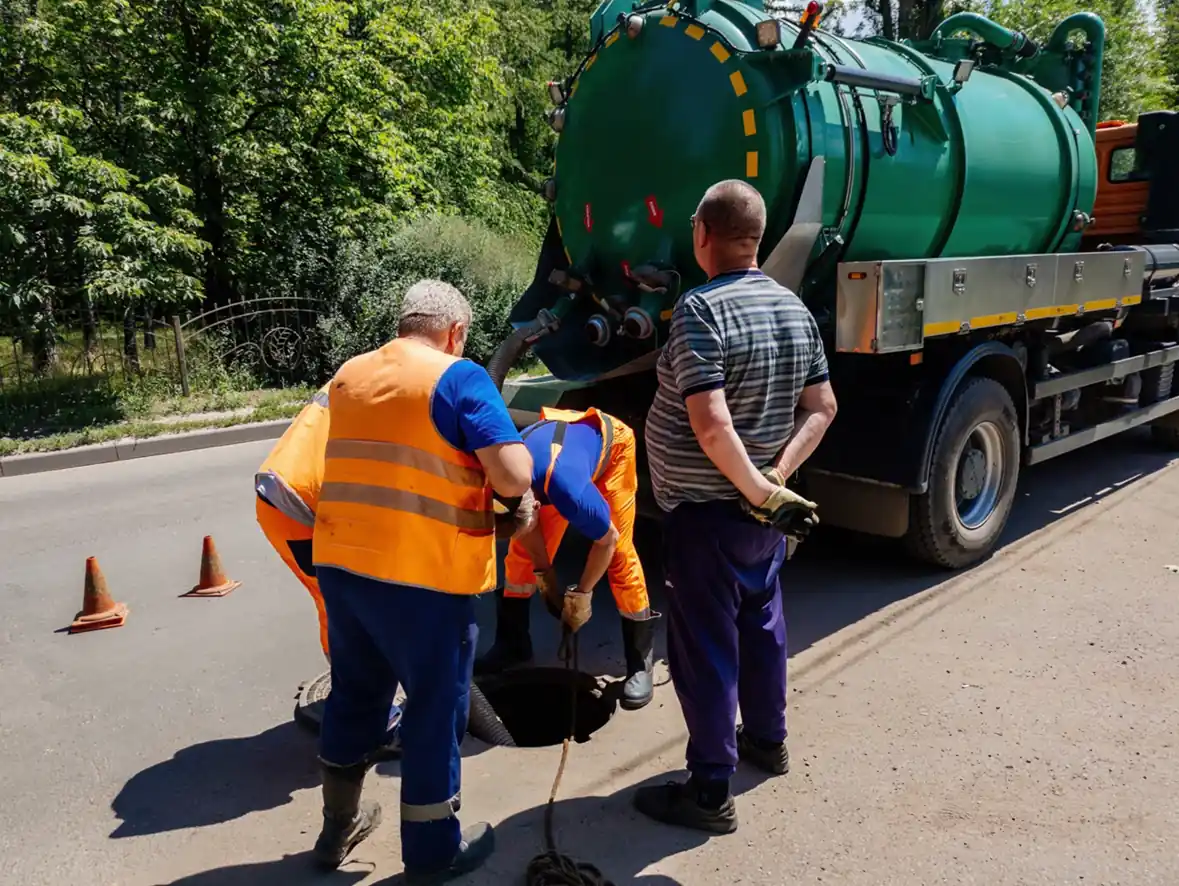
Thickener cleaning and sludge removal work may involve emptying the tank, extracting accumulated sludge and deposits, washing affected surfaces and arranging for the recovered material to be removed. The work required depends on the tank arrangement, access, sludge consistency and the amount of material present.
Suction equipment and cleaning from outside the tank can avoid the need for entry where the task can be completed that way. If confined space entry is unavoidable and the regulations apply, a safe system of work and suitable emergency arrangements are required before entry. These duties are explained in the Confined Spaces Regulations 1997 and the HSE guidance on confined spaces.
Sludge and other material removed from site must be assessed and classified appropriately where it is waste. The assessment depends on its origin, composition and hazardous properties, as explained in the waste classification technical guidance.
Removing water can change the concentration of substances present, so the classification of the material being removed should not be assumed solely from its earlier condition. Our sludge waste classification page explains the assessment in more detail.
The waste duty of care code of practice sets out the relevant responsibilities for waste holders in England and Wales. Waste management arrangements and documentation must reflect the material and the applicable requirements.
Planning sludge thickening and associated removal work
Before selecting a thickening method or changing an existing process, the main questions are what the sludge contains, how readily it separates, the dry solids concentration needed downstream, and where the separated liquid will go.
For an existing thickener that needs cleaning or emptying, the immediate concern is different. The condition of the tank, the volume and consistency of accumulated sludge, available access, pumping arrangements and the destination of the recovered material all affect the scope of work.
If you need sludge thickening support or have a thickener that requires cleaning or emptying, get in touch to discuss the sludge and the work involved. For sludge removal from tanks and other assets rather than continuous thickening, see our desludging service page.
Details of the sludge type, tank arrangement, current operating issue and intended destination of the material will help establish what work is required.
Free online tool
Sludge EWC Code Checker
Look up sludge sources, possible contaminants and waste-code candidates.
Common questions
Frequently asked questions
Is sludge thickening the same as dewatering?
No. Thickening increases the dry solids concentration while the sludge normally remains pumpable. Dewatering removes more water and can produce a cake that is handled as a solid or semi-solid material. Thickening is often used before dewatering, although the treatment arrangement depends on the sludge and the equipment.
What dry solids should a thickener achieve?
There is no single target suitable for every sludge. The achievable concentration depends on the sludge type, settling or flotation characteristics, equipment loading, conditioning and underflow withdrawal. The concentration required by the next treatment stage is also important. Comparing feed and underflow dry solids measurements provides a useful indication of actual performance.
What does a picket fence thickener actually do?
It is a gravity thickener with a slowly rotating frame of vertical pickets passing through the settled sludge blanket. The pickets help trapped water escape and encourage the solids to consolidate. Rotation is kept slow to limit disturbance of the blanket and maintain separation performance.
Do you need polymer to thicken sludge?
Not always. Gravity thickening of suitable primary sludge may work without polymer. Mechanical and dissolved air flotation thickeners commonly use polymer to improve floc formation and solids capture. The need for conditioning, along with the type and dose, depends on the actual sludge and the thickening equipment.
Where does the liquid from a thickener go?
Supernatant or filtrate may return to an earlier treatment stage, enter a public sewer where the necessary trade effluent consent is in place, or be collected for treatment elsewhere. The appropriate route depends on the liquid composition, the receiving system and the site's discharge arrangements.
Does thickening change how the waste is classified?
Not automatically. Waste classification depends on the material's origin, composition and hazardous properties. Removing water can increase the concentration of substances remaining in the sludge, which may affect the assessment. Waste should be classified in its relevant condition using the applicable waste classification guidance.
When might a sludge thickener need cleaning?
Cleaning may be needed when grit, rag, compacted sludge or scum accumulates and interferes with normal operation. Symptoms can include blockages, rising drive torque, poor sludge withdrawal and solids carrying over into the supernatant. The condition of the tank and the cause of the problem determine the cleaning requirements.
What information is useful when arranging thickener emptying?
The sludge type, tank dimensions, approximate contents, access arrangements, known blockages and reason for emptying are useful starting points. Details of available pumping connections and any previous cleaning difficulties can also help establish the work required.
Request a quote
Complete the form and we will get back to you.