
Industrial sludge removal
Settlement Tank Cleaning
Settlement tanks can lose working volume as sludge, grit and scum accumulate beyond the reach of routine desludging. A full clean removes these deposits from the floor, walls, baffles and other accessible parts of the tank.
What settlement tank cleaning involves
Settlement tank cleaning removes the sludge, grit and scum that have built up in a tank designed to separate solids by gravity. It is more extensive than routine desludging. A full clean deals with material that normal sludge withdrawal may leave behind, including compacted grit beneath the scraper path, rag caught on the mechanism, fat and scum around baffles, and deposits stuck to the floor and walls.
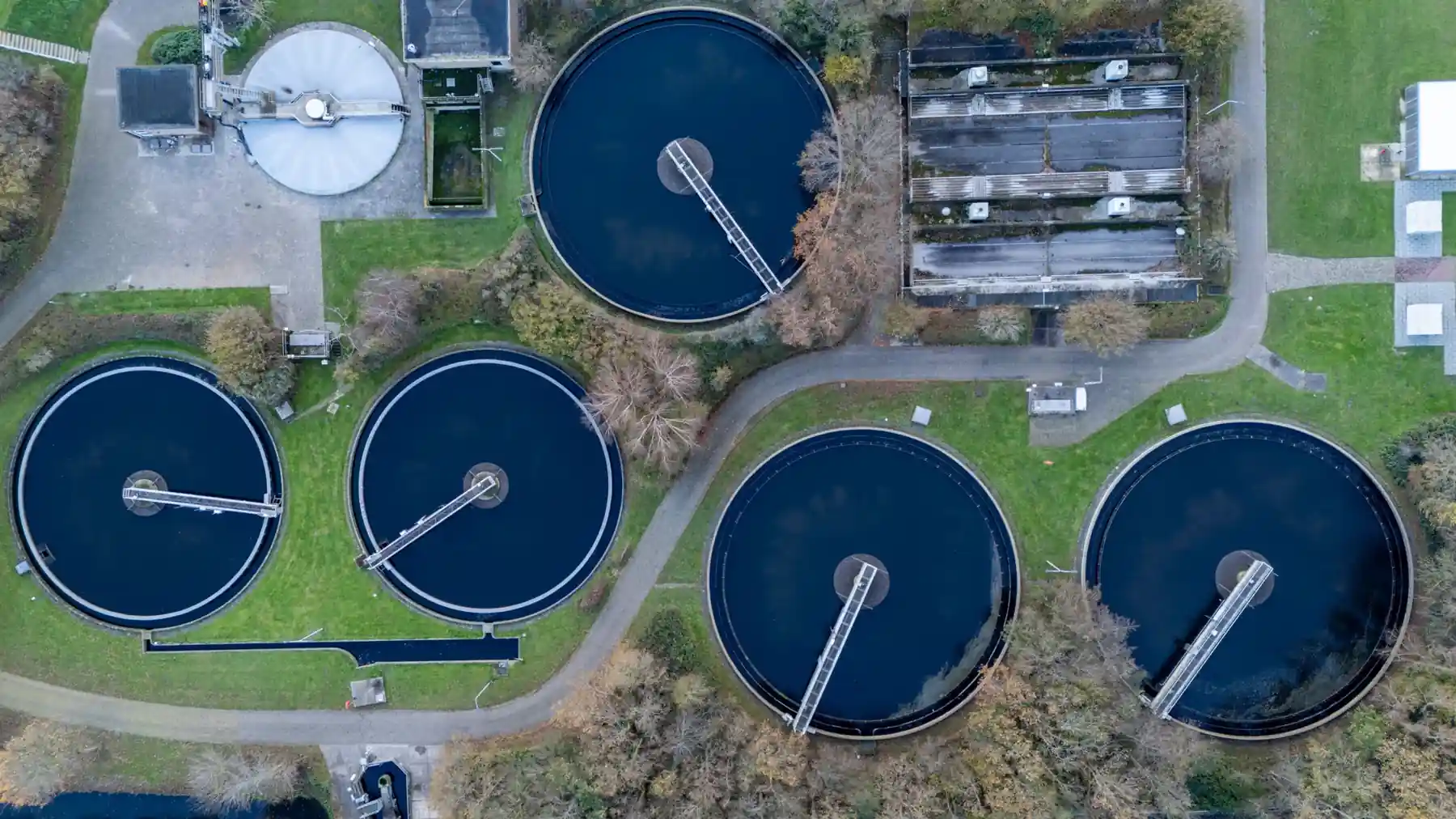
The work covers primary and final settlement tanks at treatment works, sedimentation tanks on industrial sites, settlement chambers in package treatment plants, and settlement tanks used on construction, quarry and vehicle washing sites. Although the materials differ, accumulated deposits can reduce working volume, obstruct sludge collection equipment and affect the quality of water leaving the tank.
The tanks this applies to
Settlement tanks vary in construction, size and the type of solids they receive. Common installations include:
- Primary settlement tanks at sewage treatment works, which receive screened and degritted wastewater and remove settleable solids before biological treatment.
- Final or secondary settlement tanks, which separate biological solids from treated wastewater before the clarified effluent passes over the outlet weirs. Many use circular tanks with rotating scraper equipment, covered in more detail on our clarifier cleaning page.
- Industrial sedimentation tanks on process and effluent treatment plants, sometimes using coagulants or polymers to encourage suspended solids to form settleable floc.
- Package plant settlement chambers, which may have restricted access, limited working space and fixed internal components.
- Site settlement tanks and silt traps handling wash water, wheel wash water, dewatering water and runoff. These often accumulate mineral silt rather than biological sludge. Our silt removal page covers that material in greater detail.
The cleaning method depends on the tank construction, the depth and consistency of the deposits, the installed equipment and whether incoming flow can be diverted while work takes place.
Signs a settlement tank needs cleaning
Accumulated solids can gradually reduce working volume and interfere with settlement. The first indications may appear in the treatment process rather than during a visual inspection.
Solids carrying over the outlet weirs during higher flows, a sludge blanket that remains high despite routine withdrawal, or poor sludge removal from the hopper can indicate deposits that normal desludging is not reaching. These symptoms can also have other process causes, so the sludge depth and condition of the equipment need checking before deciding on a full clean.
Mechanical symptoms include rising scraper drive torque, a scraper stalling during part of its rotation, rag accumulating around the mechanism or scum remaining on the surface rather than reaching the collection box. Compacted grit can obstruct scraper movement and collect around channels, sumps and sludge withdrawal points.
On site settlement tanks, reduced freeboard, visible silt in the outlet chamber and solids appearing in the discharge are further reasons to inspect the tank. Where discharge quality is controlled by an environmental permit or trade effluent consent, accumulated material may contribute to compliance problems if it affects treatment performance.
How a settlement tank is emptied and cleaned
A full clean normally requires the tank to be isolated and its contents removed so the floor, walls and internal equipment can be reached. The sequence depends on the installation and the arrangements for managing incoming flow.
- Isolation and flow management. Isolate the tank from incoming flow and arrange suitable diversion, standby treatment capacity or temporary storage where required. Pumps, scraper drives and other equipment are identified for isolation before cleaning begins.
- Decanting. Remove or transfer the clearer liquid above the settled sludge to a suitable receiving point. Where appropriate, this may be returned to the treatment process rather than mixed with the concentrated sludge being removed.
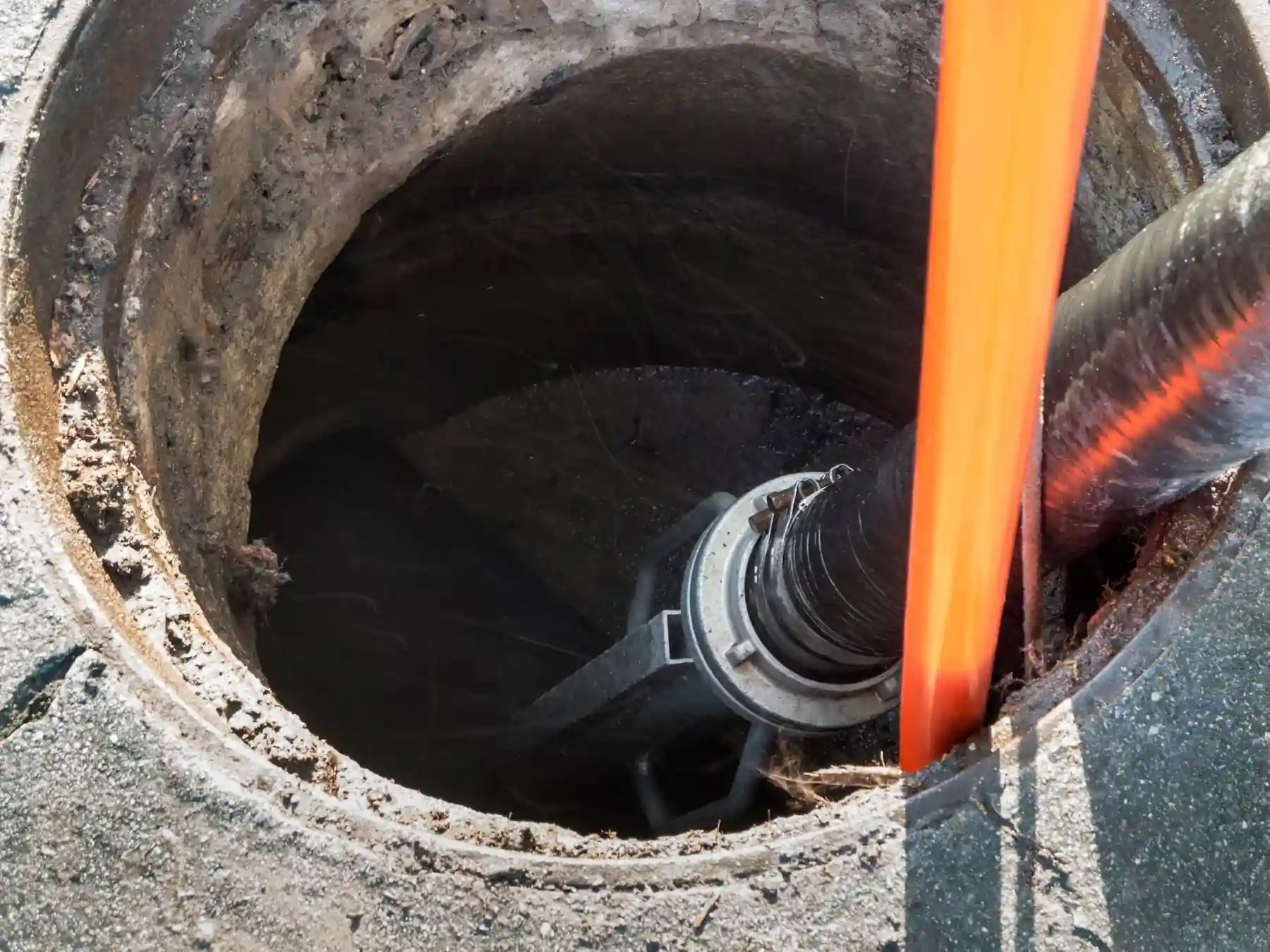
- Bulk sludge removal. Remove accumulated sludge by suction or pumping, allowing for sludge depth, consistency and access to the hopper or floor. Our vacuum tanker hire page explains the importance of the material, hose route and tanker access.
- Compacted deposit removal. Remove grit, settled solids and material that has collected beneath the scraper path, around sumps or against internal structures. Agitation or water jetting may be appropriate where deposits cannot be removed by suction alone.
- Washing internal surfaces. Clean accessible walls, baffles, launders, scum boards and scraper components as required. Washings are collected or managed through a suitable treatment route rather than discharged uncontrolled through the outlet.
- Inspection. Once deposits have been removed, inspect accessible surfaces, sludge collection points and mechanical components before refilling. Any defects or remaining obstructions can then be recorded for attention.
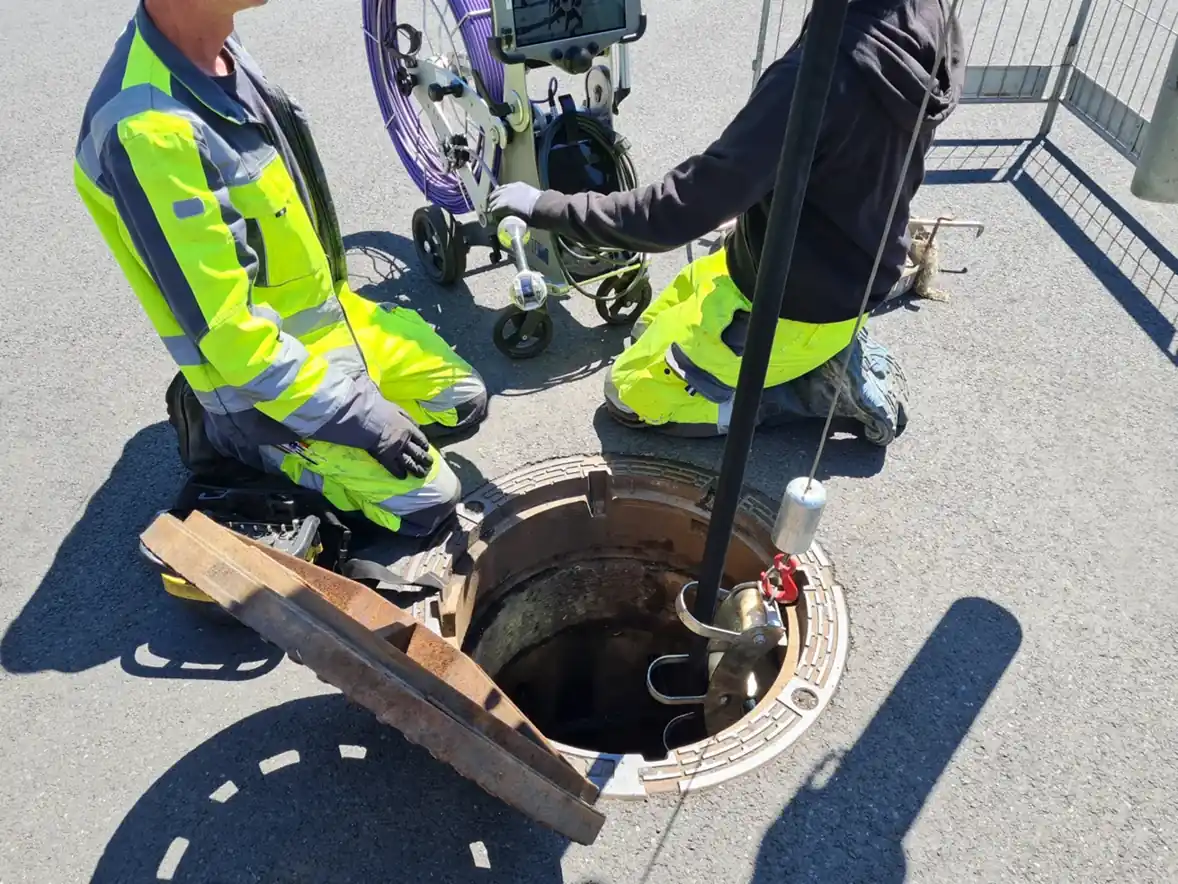
Where suction equipment, long-reach jetting or remote agitation can complete the work from outside, entry into the tank can be avoided. This is particularly relevant where the tank has restricted access, deep hoppers or a history of wastewater and sludge accumulation.
Entry, isolation and safe access
Settlement tanks can present confined-space risks, particularly where access is restricted and sludge or wastewater residues may produce hazardous atmospheres. Hydrogen sulphide, oxygen deficiency and other atmospheric hazards need to be considered alongside slips, falls, unexpected inflows and moving mechanical equipment.
The Confined Spaces Regulations 1997 apply where the relevant confined-space risks are present. They require entry to be avoided where the work can reasonably be completed another way. Where entry is unavoidable, a safe system of work and suitable emergency arrangements are required before entry takes place. The HSE guidance on confined spaces explains these requirements.
Mechanical and electrical isolation is also important. Scraper bridges, sludge pumps and associated equipment may operate automatically, and incoming flow can introduce further hazards. Isolation arrangements need to account for the equipment connected to the tank as well as the tank itself.
The condition of access covers, ladders, walkways and internal surfaces affects how the work can be carried out. A tank with a sloping floor or deep sludge hopper may need a different cleaning arrangement from a shallow rectangular chamber with accessible sludge withdrawal points.
What happens to the sludge, grit and washings
Material removed from a settlement tank needs to be assessed and classified for waste management. The assessment depends on the tank’s purpose, the substances entering it and the properties of the material being removed. Sludge from a sewage treatment works, deposits from an industrial effluent tank and mineral silt from a vehicle wash installation may require different waste descriptions and handling arrangements.
Waste classification determines the appropriate waste code and helps establish which authorised facilities can accept the material. Our sludge EWC codes page explains how waste codes relate to different sludge types. The waste duty of care code of practice explains the responsibilities associated with producing, keeping, transferring and managing controlled waste.
Liquid sludge, compacted grit and cleaning washings may differ in solids content and composition. These differences matter when selecting suction or pumping equipment, arranging transport and identifying a receiving facility. Where the material requires assessment or sampling, that information helps establish its classification and suitable treatment or disposal route.
Waste arrangements also depend on where the site is located. The Environment Agency and local authorities have responsibilities in England, Natural Resources Wales regulates relevant waste activities in Wales, SEPA operates in Scotland and the Northern Ireland Environment Agency has responsibilities in Northern Ireland. Hazardous waste is referred to as special waste in Scotland, and NetRegs guidance on hazardous and special waste explains relevant requirements for Scotland and Northern Ireland.
Returning the settlement tank to service
After cleaning, the tank can be checked for remaining deposits, damaged components and obstructions before incoming flow is restored. The condition of the scraper mechanism, sludge withdrawal points, baffles and outlet weirs can affect how the tank operates once it is refilled.
Refilling arrangements depend on the treatment process and the available flow management options. Introducing flow too quickly may disturb remaining solids and carry them towards the outlet. Where biological solids are involved, the return to service also needs to account for the requirements of the wider treatment process.
Weir levels and channels are worth checking while accessible. Uneven weir levels can cause an unequal distribution of overflow around the tank, while blocked launders or damaged scum boards can interfere with solids separation and collection.
Once the tank is operating again, sludge depth measurements, withdrawal performance and observations of solids carryover can help identify whether deposits are accumulating unusually quickly. Upstream screening, grit removal and routine sludge withdrawal can all influence how often deeper cleaning is needed. Our desludging page covers routine sludge removal without a full tank clean.
What affects the cleaning method and cost
The amount and type of material in the tank are important, but access and flow management can have just as much influence on the work involved. A tank containing pumpable sludge presents different removal requirements from one with consolidated grit, rag or hardened deposits around the scraper mechanism.
Tank depth, covers, the distance from suitable tanker parking to the tank, hose access, the availability of standby treatment capacity and the receiving facility’s waste acceptance requirements all affect planning. A site with limited vehicle access may require a different arrangement from a treatment works with hardstanding beside the tank.
It is useful to establish the tank dimensions, estimated sludge depth, type of incoming effluent, access restrictions and arrangements for taking the tank out of service before discussing the work. Photographs of the tank, surrounding access and any visible deposits can also help describe its condition.
Our sludge removal cost guide explains the main factors affecting sludge removal quotations and the differences between handling liquid sludge, thicker deposits and material requiring further treatment.
For settlement tank cleaning, provide the tank type, location, approximate dimensions, nature of the accumulated material and any known access or isolation restrictions. These details help establish the cleaning requirements, removal method and waste handling considerations.
Free online tool
Sludge EWC Code Checker
Look up sludge sources, possible contaminants and waste-code candidates.
Common questions
Frequently asked questions
What is the difference between desludging a settlement tank and cleaning it?
Desludging draws off the sludge that the tank is designed to collect, usually without taking the tank out of service. Cleaning takes the tank offline and removes what desludging cannot reach: compacted grit under the scraper path, the layer set hard on the floor and walls, rag on the mechanism and scum behind the baffles.
How often should a settlement tank be cleaned?
There is no interval that suits every tank, because it depends on the solids load, what reaches the tank from upstream and how well routine desludging keeps up. A practical approach is to measure sludge depth and freeboard on a set schedule, then clean when the measured loss of working volume starts to affect the outlet quality.
Does someone have to go inside the tank?
Often not. Suction, long reach jetting and remote agitation can clear many tanks from outside. Where the Confined Spaces Regulations 1997 apply, entry must be avoided if the work can reasonably be done another way. If entry is unavoidable, a safe system of work, suitable isolation and emergency arrangements are required before anyone enters.
What happens to the material taken out of a settlement tank?
It is waste, and it is classified on what the tank actually received rather than on how it looks. A tank taking trade effluent, a tank at a sewage works and a wheel wash silt trap can produce very different assessments. The classification then decides which permitted facilities can accept the load and what paperwork travels with it.
Can the tank stay in service while it is cleaned?
Usually not for a full clean. The tank normally has to be emptied for the floor, walls and mechanism to be reached. Incoming flow may need to be diverted to a standby tank, bypass arrangement or temporary storage. Where the tank has separate compartments, it may be possible to clean one section while another remains operational.
Are the rules the same across the UK?
The principles are, but the regulators and some of the paperwork are not. The Environment Agency regulates in England and Natural Resources Wales in Wales, alongside local authorities. SEPA regulates in Scotland, where hazardous waste is handled as special waste, and the Northern Ireland Environment Agency regulates in Northern Ireland.
Request a quote
Complete the form and we will get back to you.