
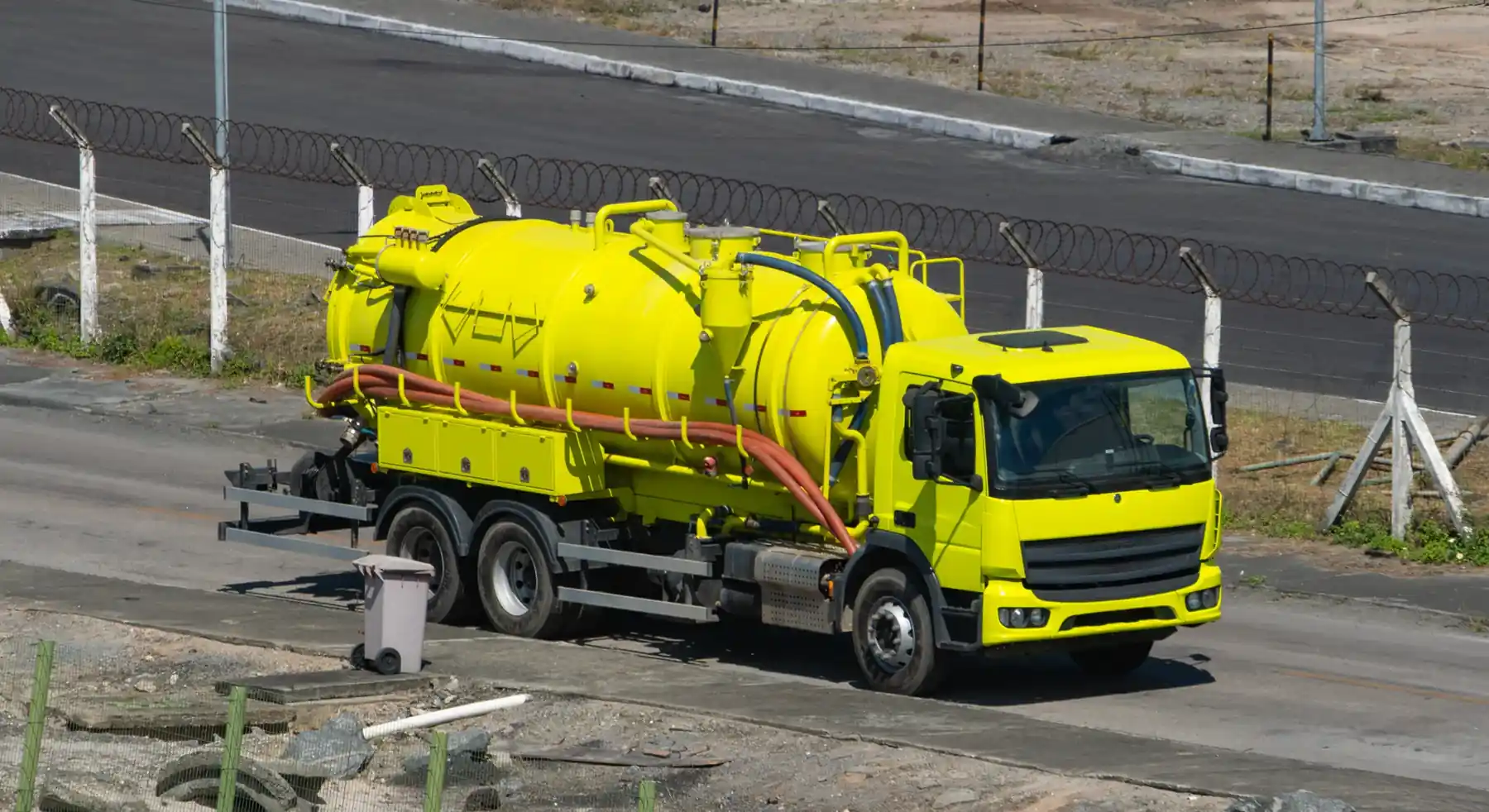
Industrial sludge removal
Digestate Tanker Services
Liquid digestate tanker hire covers the collection and movement of whole digestate and separated liquor from anaerobic digestion plants and storage facilities. We can help arrange tanker movements and store emptying, taking account of the material, loading arrangements and receiving destination.
What liquid digestate tanker hire involves
Liquid digestate tanker hire covers the collection and transport of whole digestate and separated liquor from anaerobic digestion plants and storage facilities. Tankers can move the material to agricultural land, another storage facility or an authorised treatment or recovery outlet.
The main things to establish are the type and quantity of digestate, how it will be loaded, access for the tanker and the discharge arrangements at the receiving site. The material’s waste classification also affects the transport documentation and where it can be taken. We can help arrange digestate tanker movements and store emptying.
Storage capacity often determines when material needs moving. Anaerobic digestion plants can continue producing digestate when agricultural spreading is restricted or unsuitable. This may mean transferring digestate into additional storage rather than taking it directly to land. The receiving store needs to be suitable for the material and the proposed discharge method.
Whole digestate, liquor and fibre
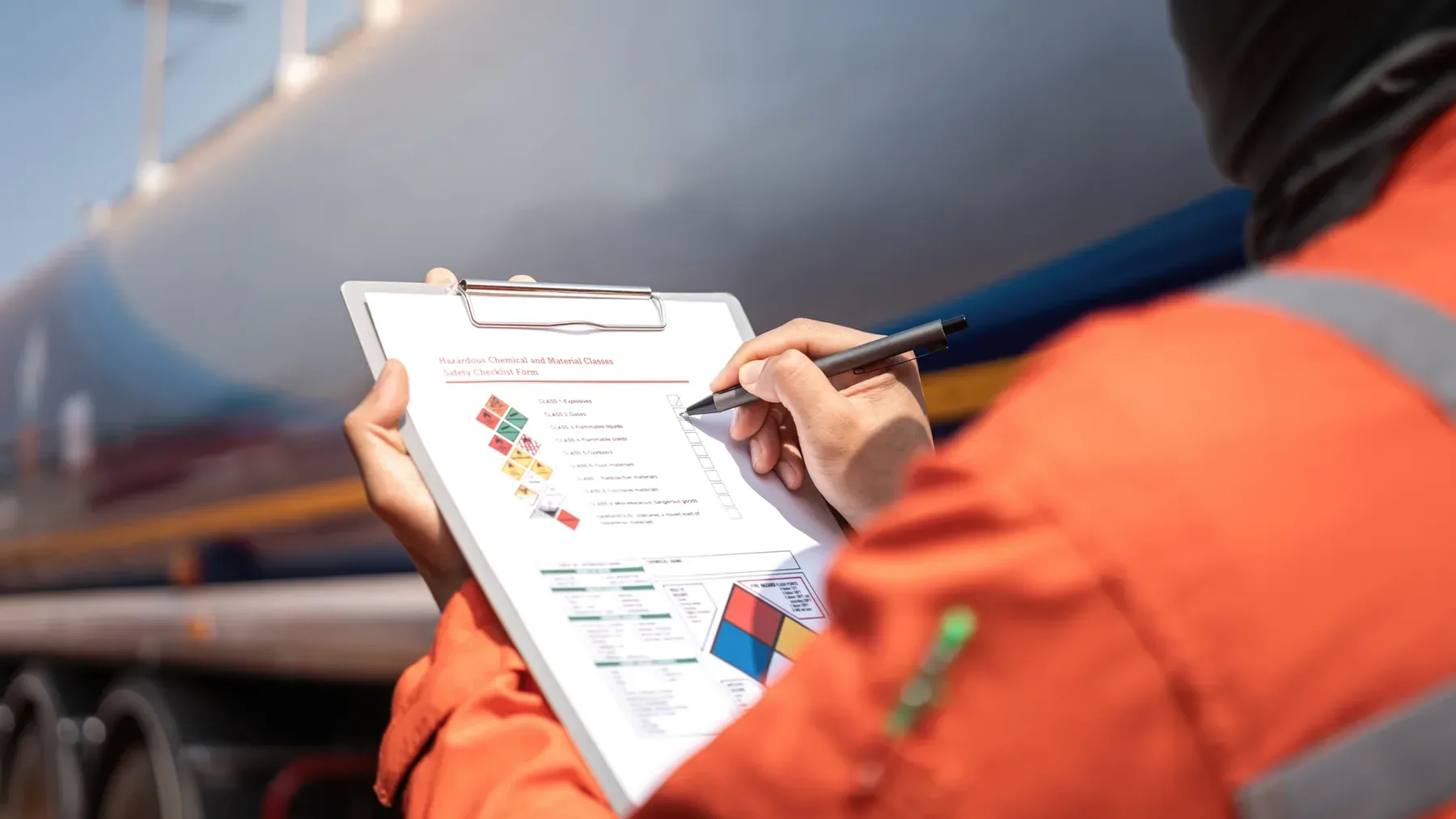
Digestate may leave an anaerobic digestion process as a whole material or be separated into liquid and solid fractions. The consistency and solids content affect the equipment needed for loading and discharge.
- Whole digestate is digestate before mechanical separation. Its consistency depends on the feedstock and treatment process. It may contain suspended solids, grit or fibrous material that affect pumping and hose selection.
- Separated liquor is the liquid fraction produced by equipment such as a screw press or centrifuge. It is generally more suitable for tanker movement than the separated solid fraction, although its solids content and pumping characteristics still need checking.
- Digestate fibre is the separated solid fraction. It is normally moved using equipment suited to bulk solids rather than a liquid tanker, unless its condition and handling arrangements make tanker collection appropriate.
Dry solids content, viscosity and fibrous material influence how digestate can be transferred. A relatively free-flowing liquor may be suitable for conventional liquid pumping equipment. Thicker whole digestate may need different pumps, larger connections or preparation before loading.
Knowing whether the material is whole digestate or separated liquor helps establish whether the tanker and discharge arrangement are suitable. Where digestate has been stored, settled sediment or floating material may also affect collection.
Is the digestate a waste or a product?
The classification of digestate affects its transport, storage and receiving arrangements. In England, the Environment Agency withdrew the anaerobic digestate quality protocol on 20 October 2025 and replaced it with the anaerobic digestate resource framework. The framework sets out the conditions under which qualifying digestate is no longer considered waste.
The framework covers digestate produced from specified source segregated biodegradable materials. It requires processing in accordance with BSI PAS 110 and certification by a body appointed by the Biofertiliser Certification Scheme. It also includes requirements concerning product quality, records, documentation and certainty of use.
Digestate meeting the framework’s requirements can achieve end of waste status. Material that has not met the applicable requirements remains subject to waste controls. Certification alone is not sufficient if other conditions of the framework have not been met.
Digestate can also lose its non-waste status. The framework identifies circumstances including discarding the material, applying more than soil and crop requirements, storing it indefinitely with little prospect of use, or mixing it with waste. Where compliant digestate is mixed with other waste material, the whole mixed volume becomes waste.
The framework also places specific conditions on product storage, including a maximum storage period of 10 months under its end of waste provisions and evidence of an intended use. These conditions are distinct from the storage arrangements that may apply to digestate still classified as waste.
The Environment Agency framework applies to England. Operators working in Wales, Scotland or Northern Ireland need to establish the applicable position under the relevant national regulatory arrangements.
Storing digestate between production and spreading
Digestate storage provides capacity between production and the periods when material can be delivered to its intended destination. Tanker work may involve moving material from a production site to a satellite store, emptying an existing storage tank or transferring digestate to another receiving facility.
Storage arrangements need to account for capacity, containment, loading connections and vehicle access. Open stores may be affected by rainfall, while tanks and lagoons can accumulate settled solids or floating material. These conditions can influence the volume available for collection and the equipment needed.
Agitation may be appropriate where settled or floating material needs mixing before pumping, depending on the store, material and operating arrangements. Some facilities may need separate removal of accumulated sediment. Our lagoon desludging and slurry removal pages explain related storage and removal work.
In England, nitrate vulnerable zone requirements can affect digestate storage and agricultural use. The guidance on storing organic manures in nitrate vulnerable zones includes anaerobic digestate among the liquid organic manures covered. Applicable storage capacity requirements and spreading restrictions need to be considered when planning movements to agricultural land.
Loading and moving digestate by road
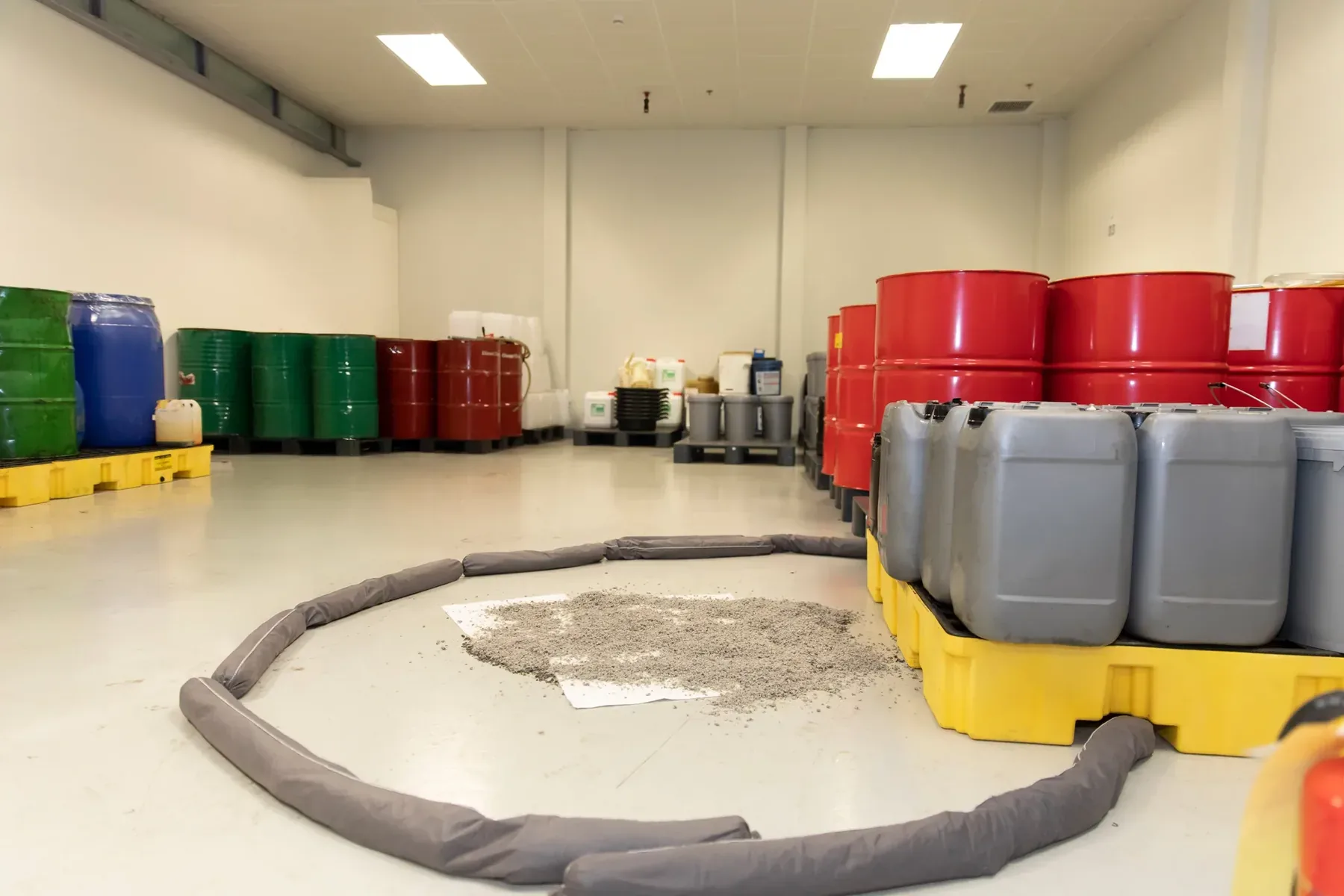
Loading depends on the digestate and the equipment available at the collection point. Relevant details include pump capacity, hose diameter, connection type, pumping distance, solids content and whether the tanker can position close enough to the loading facility.
Some facilities have fixed pumps and dedicated tanker loading points. Others may need the collecting vehicle to provide suction or pumping capability. The loading method needs to suit the material, particularly where whole digestate contains fibres or settled solids.
Discharge arrangements are equally important. The receiving location may have a fixed connection, an accessible storage tank or a suitable transfer point. Available space, vehicle access and the discharge method can determine what type of tanker is appropriate.
Digestate can produce noticeable odours during handling. Suitable connections, loading arrangements and attention to material remaining on equipment can help manage releases during collection and discharge.
Where digestate remains classified as waste, the appropriate waste transport requirements apply. Waste carrier registration can be checked using the waste carrier registration service. The waste description and accompanying documentation need to reflect the material being transported.
Spreading controls: permits, deployments and exemptions
Moving digestate to agricultural land requires a suitable receiving arrangement. Where the material remains waste, spreading must take place under an appropriate environmental authorisation. In England, this may involve an environmental permit or exemption, depending on the material and proposed activity.
Mobile plant landspreading permits
A mobile plant landspreading permit, such as SR2010 No 4, can apply to qualifying waste recovery operations. A deployment application requires information including a benefit statement, a location map and analytical results for the waste and receiving soil.
The Environment Agency must provide written agreement to the deployment before the activity begins. The guidance on landspreading to improve soil health explains the process, including notification of the local office at least 48 hours and no more than seven days before spreading starts. Deployments cannot be renewed, and a new deployment is needed where activity is to continue beyond the applicable 12-month period.
U10 waste exemption
The U10 exemption permits specified waste types to be spread on agricultural land where the conditions are met. It is not available for every type of digestate or every anaerobic digestion facility.
For digestate, eligibility depends on its production under the T24 or T25 exemptions or a qualifying environmental permit. Where the digestate comes from a permitted facility, that permit must only allow the waste types listed in T24 and T25, and its conditions must require the material to remain in the digester for at least 28 days before transfer to the U10 site.
The exemption includes limits on quantities stored and spread. General conditions include distances of at least 10 metres from a watercourse and 50 metres from a spring, well or borehole, a maximum storage period of 12 months and chronological activity records. Spreading more waste than the land requires is treated as disposal rather than beneficial recovery.
The appropriate arrangement depends on the material, receiving land and applicable authorisation. Our sludge to land page deals with treated sewage sludge under a separate regulatory regime. Digestate should not be treated as sewage sludge simply because both materials can be transported by tanker and applied to land.
Nutrient planning and the water rules
Digestate contains nutrients, including readily available nitrogen, which are relevant when the destination is agricultural land. The appropriate application rate depends on the material’s analysis, soil conditions, crop requirements and other nutrient inputs.
In England, the Farming Rules for Water require land managers to consider soil test results when planning applications of organic manure or manufactured fertiliser to cultivated agricultural land. They must also take steps to prevent diffuse pollution reaching inland and coastal waters. The guidance on complying with the Farming Rules for Water explains the applicable requirements.
For digestate haulage, the receiving land and its nutrient requirements can affect the volume that may be delivered. Weather, ground conditions and the applicable authorisation can also affect whether a planned delivery can proceed.
Where land is unavailable to receive digestate, the material may need to remain in suitable storage or be moved to another authorised destination.
Paperwork and traceability
The documentation accompanying digestate depends on whether it is classified as waste or has achieved end of waste status. For waste digestate, duty of care requirements include accurate descriptions and records of transfers between the parties handling the material.
For digestate qualifying under the resource framework in England, the producer must maintain the required records and provide the relevant product supply documentation, including the declaration confirming compliance with the framework and BSI PAS 110.
Movement records should identify the quantity collected, material description, collection date, destination and receiving location. Analytical information and delivery details may also be needed for the receiving activity. The records need to match the material actually moved.
Arranging digestate tanker movements
To arrange a digestate tanker movement, the main details needed are the material, quantity, collection location, loading facilities and destination.
- Material: whether the load is whole digestate or separated liquor, including available information on solids content and consistency.
- Quantity: the approximate volume to be moved and whether collection involves a single movement or repeated loads.
- Collection point: access for the vehicle, available pumping equipment, loading connections and any restrictions at the facility.
- Receiving site: the destination, available storage or discharge arrangements and its ability to accept the proposed material.
- Classification: whether the digestate remains waste or has met the relevant end of waste requirements, with the appropriate supporting documentation.
Moving digestate between stores involves different arrangements from collecting material for direct agricultural application. Where storage is approaching capacity, the receiving options and loading facilities are particularly important.
Digestate removal is also different from cleaning the digester itself. Our anaerobic digester cleaning page covers removing accumulated material from within the digestion equipment. Liquid digestate tanker hire concerns the collection and onward movement of material leaving the digester or associated storage.
For digestate tanker hire or store emptying, provide the collection and destination details, type of digestate and estimated quantity. These details help establish suitable transport arrangements and what additional information is needed before collection.
Free online tool
Sludge EWC Code Checker
Look up sludge sources, possible contaminants and waste-code candidates.
Common questions
Frequently asked questions
Is digestate a waste or a product?
That depends on whether the material meets the applicable end of waste criteria. In England, the Environment Agency anaerobic digestate resource framework replaced the withdrawn quality protocol in October 2025. It includes requirements for approved source segregated feedstocks, processing to BSI PAS 110, certification, documentation and certainty of use. Digestate that has not met the applicable requirements remains subject to waste controls.
Can certified digestate become waste again?
Yes. Under the English resource framework, digestate can become waste again if it is discarded, is intended or required to be discarded, is applied beyond soil and crop requirements, or is stored indefinitely with little prospect of use. Mixing compliant digestate with waste also makes the whole mixed volume waste. Certification does not remove these ongoing conditions.
What do I need in place before digestate is spread on land?
For waste digestate in England, the receiving activity needs an appropriate authorisation. This may involve a mobile plant landspreading permit with an agreed deployment or a registered exemption such as U10 where all eligibility conditions are met. Digestate that meets end of waste requirements is subject to the applicable product conditions and agricultural controls, including nutrient management requirements.
What is the difference between whole digestate and liquor?
Whole digestate is the material before mechanical separation. Liquor is the liquid fraction produced by equipment such as a screw press or centrifuge. Separated liquor is generally easier to pump, although its consistency and solids content still need checking before tanker collection. The separated fibre fraction is normally moved using equipment suited to bulk solids.
Do nitrate vulnerable zone rules apply to digestate?
Yes, where the relevant agricultural activity takes place within a nitrate vulnerable zone. In England, government guidance includes anaerobic digestate among the organic manures covered by nitrate vulnerable zone requirements. Storage capacity, nutrient content and restrictions on spreading can affect the available receiving arrangements and the timing of tanker movements.
Does a digestate store need desludging?
Digestate stores can accumulate settled solids or floating material, depending on the digestate and storage conditions. This may reduce usable capacity or affect pumping during emptying. Agitation or separate removal of accumulated material may be appropriate, depending on the store design and the condition of the contents.
Request a quote
Complete the form and we will get back to you.