
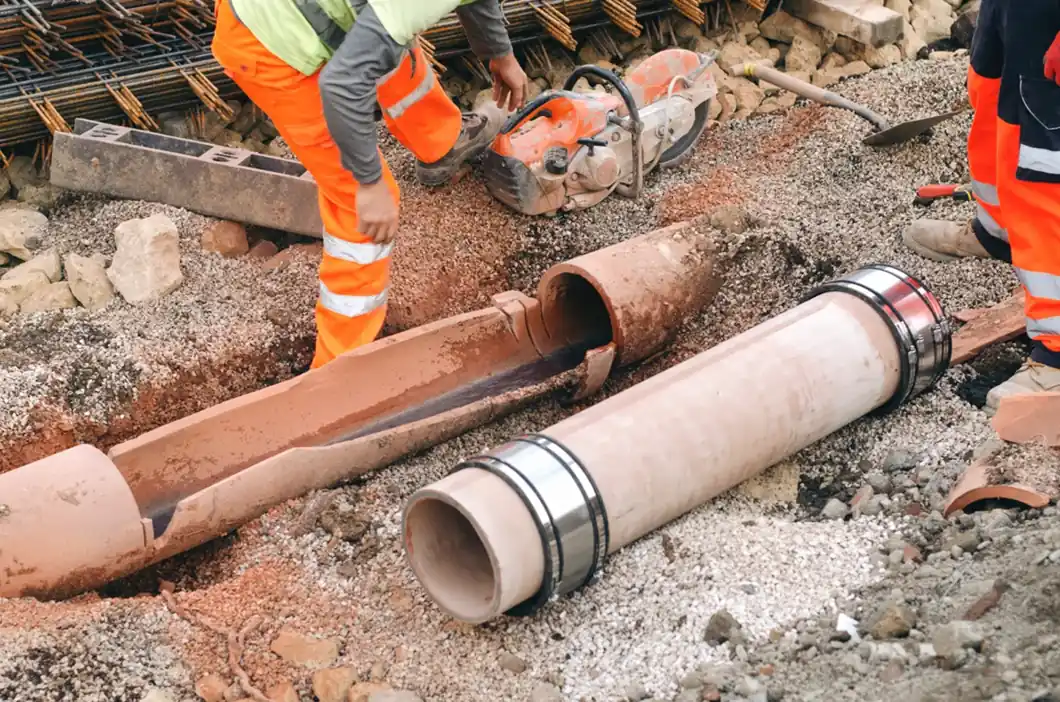
Industrial sludge removal
Sludge Pumping
Thick sludge, settled solids and difficult pipe runs can make pumping from a tank, lagoon or pit more complicated than expected. We help with sludge pumping and transfer work where the material needs moving to a tanker, another part of the site or treatment equipment.
What sludge pumping covers
Sludge pumping moves material from one part of a site to another, or into a tanker for removal. That might mean transferring settled sludge from a tank, feeding a dewatering plant from a lagoon, emptying a pit or moving material between process vessels while equipment is taken out of service.
The difficulty is often getting the sludge moving and keeping it moving. Thick material may not flow towards a pump inlet, settled solids can obstruct a suction line, and long pipe runs create resistance that has to be allowed for. Where a vacuum tanker cannot reach or lift the material effectively, a separate pumping arrangement may be needed.
The right approach depends on the consistency of the sludge, the solids it contains, the distance to the discharge point and the available access. These factors determine the pumping arrangement rather than simply choosing equipment based on the volume to be moved.
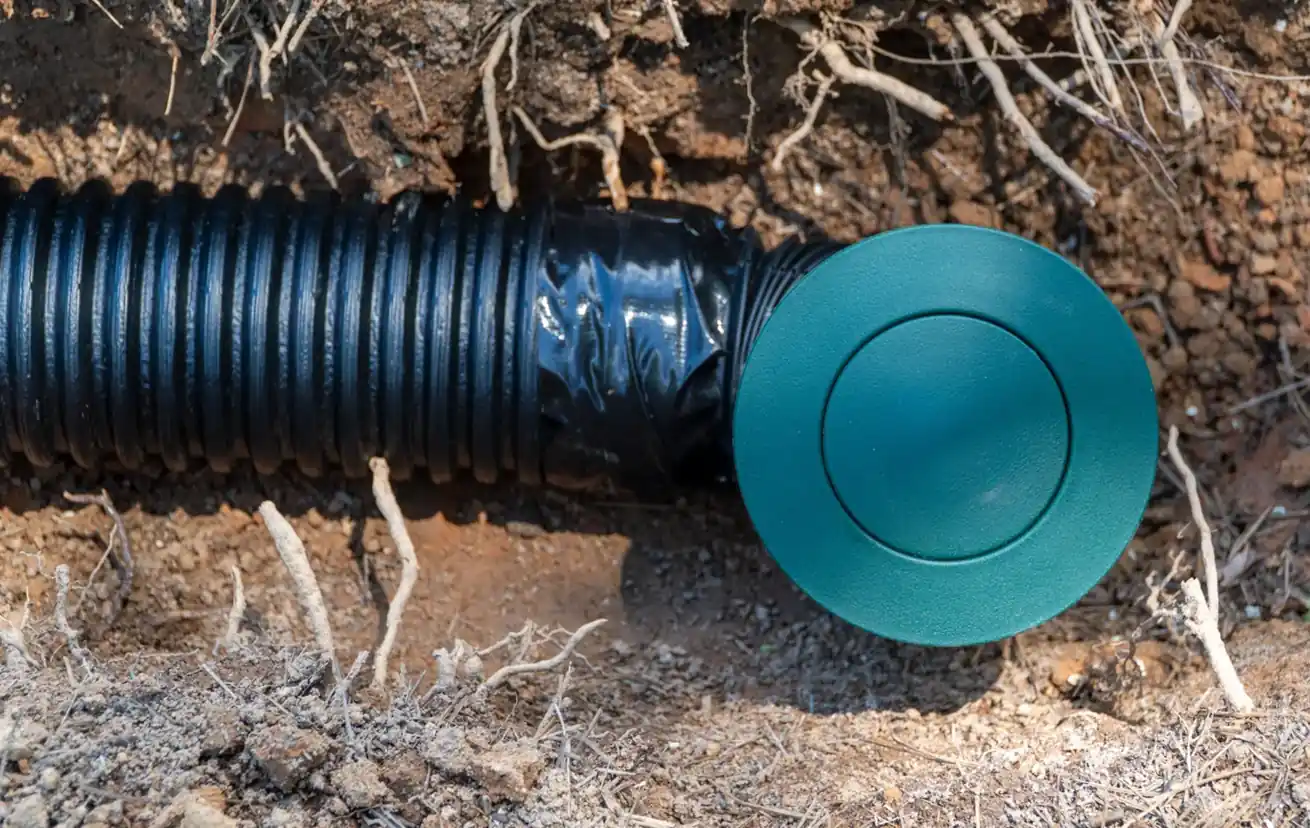
Why sludge can be difficult to pump
Sludge does not always flow like water. Its behaviour depends on the material, solids concentration, temperature and how long it has been left undisturbed. Some sludges become easier to move once they are agitated, while others contain settled grit, fibrous material or thick deposits that resist movement.
Increasing the dry solids content can make pumping more demanding. A sludge that transfers easily at one concentration may require a different pump or pipe arrangement after thickening. The relationship is not the same for every sludge, so water based pumping figures alone may give a misleading indication of the required duty.
There are several things to establish before selecting a pump. Can the material flow into the inlet? Will the pump pass the solids present? What pressure is needed to move the sludge through the discharge line? What happens when pumping stops and material settles inside the pipework?
Our sludge thickening page explains the process of increasing solids concentration. Pumping thickened sludge requires particular attention to its consistency and the resistance of the transfer line.
Pumps used for sludge transfer
Different pump designs suit different sludge characteristics. The choice depends on the solids, flow requirement, discharge pressure, suction conditions and whether the material contains abrasive or fibrous debris.
- Progressive cavity pumps are commonly used for viscous sludge and controlled transfers. They can deliver steady flow against significant discharge pressure, but dry running and abrasive material can damage the rotor and stator.
- Rotary lobe pumps can handle viscous sludge and certain suspended solids. Their suitability for abrasive material, fibrous debris or dry running depends on the particular pump design and operating conditions.
- Peristaltic or hose pumps move material through a flexible hose, keeping the sludge away from most of the pump mechanism. They can suit abrasive or difficult materials, although hose wear and operating pressure must be considered.
- Submersible chopper or cutter pumps can be useful in pits and wet wells containing fibrous material. Cutter arrangements help manage certain obstructions, but the solids still need to be compatible with the pump.
- Diaphragm pumps can be suitable for intermittent transfers and difficult access. Some designs tolerate solids and temporary dry operation, although flow and discharge pressure vary considerably between models.
- Centrifugal pumps with open or vortex impellers can move relatively thin sludge at higher flow rates. Their performance depends on the solids concentration, particle characteristics and pump design.
Choosing a pump is not simply a matter of selecting the highest advertised flow rate. A lower capacity pump suited to the actual sludge may provide a more reliable transfer than equipment that repeatedly blocks or loses suction.
Pipe runs, rising mains and temporary hoses
The discharge line matters as much as the pump. Pipe diameter, length, changes in level and bends all affect the pressure needed to move sludge. Temporary hoses also introduce practical issues around access, couplings and where the line can safely be positioned.
A narrow pipe can create excessive friction losses and increase blockage risk. A larger pipe reduces some resistance, but may allow heavier solids to settle if the flow velocity is insufficient. The appropriate diameter depends on the sludge and the intended pumping rate.
Long runs need the required pressure checked against the pump, pipework and coupling ratings. High points may trap air, while low points can hold settled material when pumping stops. Changes in direction also affect the transfer, particularly where the sludge contains grit or fibrous debris.
Temporary hose routes need to account for vehicle movements, pedestrian access, nearby drains and the location of connections. The contents of the line also need somewhere suitable to go when pumping finishes or the hose is disconnected.
Existing rising mains can present different problems. Deposits of grease, mineral scale or settled solids may reduce the usable bore over time. Where flow has deteriorated, the condition of the line should be considered alongside the pump rather than assuming the pump itself is at fault.
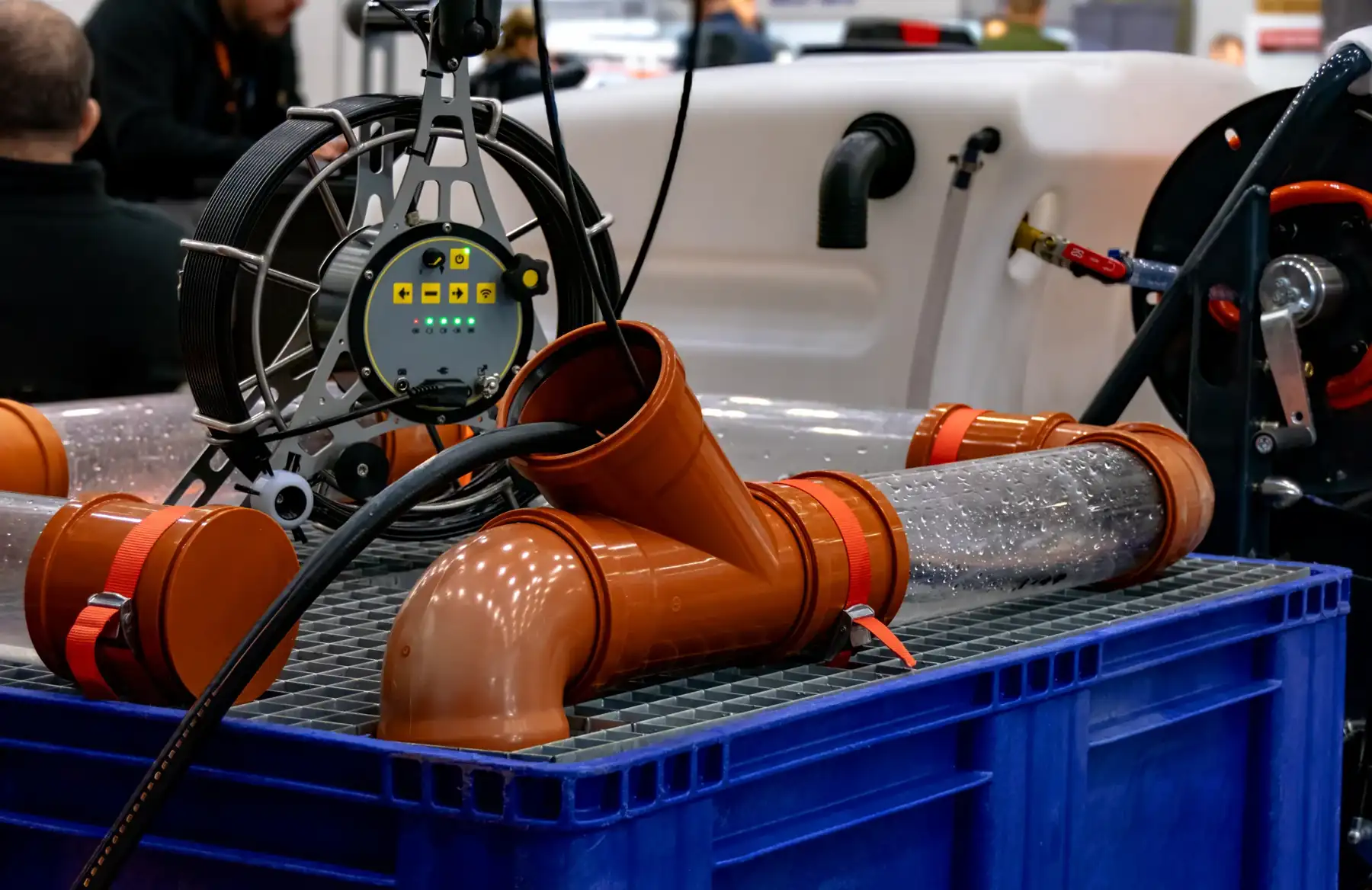
Pumping sludge into a tanker or treatment plant
Vacuum tankers are effective for many liquid waste and sludge removal jobs, but suction has practical limits. Dense sludge, long suction hoses, restricted access and significant lifting heights can make direct tanker extraction difficult. Our vacuum tanker hire page covers suction based removal and tanker applications.
Where suction alone is unsuitable, a separate pump can move sludge towards the tanker. Depending on the site, the pump may be placed near the material, positioned at an accessible chamber or installed within a pit or tank. The discharge then feeds an appropriate tanker connection or receiving arrangement.
Transferring sludge to treatment equipment involves different requirements. A dewatering plant may need a controlled, consistent feed rather than the greatest possible pumping rate. Changes in concentration, the presence of grit and interruptions to the feed can affect the next stage of treatment.
Our sludge dewatering page explains the separate process of removing water from sludge. Pumping transfers the material; dewatering changes its solids concentration.
Grit, rag and recurring blockages
Blockages are not always caused by sludge thickness alone. Wet wipes, cloth, plastic, fibrous material, grit and other debris can obstruct pumps and pipework. These materials may have entered the system upstream or accumulated in a pit or tank over time.
Rag can wrap around rotating components or collect at restrictions. Grit can wear pump parts and settle in sections of pipe where flow slows down. Larger objects may obstruct the inlet even when the pump is otherwise suitable for the sludge.
Possible measures include screening or removing unsuitable debris before pumping, selecting equipment suited to the expected solids and maintaining an appropriate flow through the transfer line. Flushing or draining arrangements also need consideration where material could settle after shutdown.
Repeated blockages at the same point may indicate a restriction, unsuitable pipe diameter, insufficient velocity or a change in the material being pumped. Identifying the cause is more useful than repeatedly clearing the same obstruction without reviewing the transfer arrangement.
Safety and containment during sludge pumping
Pumping from outside a tank or pit can reduce the need for personnel to enter confined spaces. Where work can reasonably be completed without entry, that approach should be considered first.
In Great Britain, the Confined Spaces Regulations 1997 apply where the assessment identifies specified risks from confined space work. The HSE guidance on safe work in confined spaces explains the requirement to avoid entry where possible, use a safe system of work where entry is unavoidable and establish suitable emergency arrangements. Northern Ireland has separate confined spaces legislation.
Pressurised lines and couplings require attention because a failed connection can release sludge beyond the intended transfer area. Hose restraint, connection condition, pressure ratings and suitable containment are relevant to planning the work. Particular care is needed where pumping takes place near drains, watercourses or other sensitive areas.
Some sludges can release hazardous gases, including hydrogen sulphide, particularly when disturbed or held in poorly ventilated spaces. Its presence cannot be reliably judged by smell. The nature of the sludge and the conditions around the pumping area need to be assessed before work begins.
When pumped sludge leaves the site
Moving sludge within a treatment process does not, by itself, determine whether the material is waste. Its legal status depends on how it arises, its intended use and the applicable waste rules. Material removed for disposal or recovery needs to be assessed and described appropriately.
The waste duty of care code of practice explains responsibilities for controlled waste in England and Wales. The Environment Agency, Natural Resources Wales and local authorities have relevant regulatory roles. Scotland and Northern Ireland operate under their own waste duty of care arrangements, with SEPA and the Northern Ireland Environment Agency having environmental regulatory responsibilities in their respective jurisdictions.
Waste classification depends on the material’s composition, origin and relevant hazardous properties. The official waste classification technical guidance (WM3) explains the assessment and classification process. Our sludge waste classification page covers the information needed to describe sludge intended for removal.
Where different sludge streams are pumped into the same tanker, the combined load needs to be assessed and described correctly. Mixing materials can complicate classification and the choice of an appropriate treatment or disposal route. Keeping separate streams identifiable can make this easier.
Planning a sludge pumping job
A useful starting point is the condition of the sludge itself. Has it settled into a dense layer? Is there free liquid above it? Does it contain grit, rag or other debris? Has the material changed since it was last pumped? These details help establish whether it can be transferred directly or needs preparation.
The physical arrangement is equally important. The depth of the sludge, access to the inlet, length of the discharge route, changes in elevation and location of the receiving vessel all affect the pumping method. Space for equipment and the availability of suitable services may restrict the options.
It also helps to know whether pumping is part of a complete emptying operation, a temporary process transfer or a regular feed to treatment equipment. A one off removal from a settled pit is different from maintaining a consistent supply to a dewatering plant.
We can help with sludge pumping and transfer work involving tanks, pits, lagoons and process equipment. Where the job forms part of a wider removal operation, our tank sludge removal and lagoon desludging pages explain those applications in more detail.
Free online tool
Sludge EWC Code Checker
Look up sludge sources, possible contaminants and waste-code candidates.
Common questions
Frequently asked questions
Why will my pump move water but not sludge?
A pump that handles water may struggle with sludge because of its higher apparent viscosity, solids content or resistance to flow. Dense or settled material may not reach the inlet readily, while friction losses increase through the discharge line. The pump and pipework need to be assessed against the actual sludge rather than water figures alone.
Which pump is best for thickened sludge?
Positive displacement pumps, including progressive cavity, rotary lobe and hose pumps, are often considered for thickened sludge. The choice depends on consistency, grit and rag content, required flow, discharge pressure and suction conditions. The actual material and pumping arrangement determine which design is suitable.
Can sludge be pumped without anyone entering the tank?
Often, yes. Depending on access and the condition of the material, a pump or suction arrangement may allow sludge to be moved from outside the tank. Some deposits need additional preparation or agitation. Avoiding unnecessary confined space entry is an important consideration, with the applicable regulations requiring suitable assessment and controls.
Why does my sludge pumping line keep blocking?
Common causes include settled solids, rag, grit, restrictions in the pipework and insufficient flow velocity. Bends, changes in elevation and deposits inside older pipework can make the problem worse. Repeated blockages may require a review of the sludge characteristics, pump duty and pipe layout.
How far can sludge be pumped?
There is no single maximum distance. The practical limit depends on the sludge, pipe diameter, friction losses, changes in elevation and the pressure available from the pump. Longer transfers may require different pipework, a suitable higher pressure pump or an intermediate pumping arrangement.
Does pumping sludge change its waste classification?
Pumping alone does not normally change the composition of sludge or its waste classification. Mixing different sludge streams, adding other materials or carrying out treatment can affect the assessment. Waste intended for removal needs to be classified according to its origin, composition and relevant hazardous properties.
Request a quote
Complete the form and we will get back to you.