
Industrial sludge removal
Clarifier Cleaning
A clarifier can be desludged regularly and still collect grit, rag and deposits that the sludge draw off cannot remove. Clarifier cleaning deals with that remaining material, including deposits around the rake arms, feedwell, launders and scum system.
What clarifier cleaning covers
Clarifier cleaning involves taking a clarifier out of service, removing accumulated sludge, grit and scum, and cleaning the floor, scraper mechanism, feedwell and launders. Routine desludging removes settled solids through the sludge draw off, but it does not necessarily remove compacted deposits beneath the rake arms, rag caught on the mechanism or material collecting around the weirs. These deposits can remain even when the sludge removal system is operating.
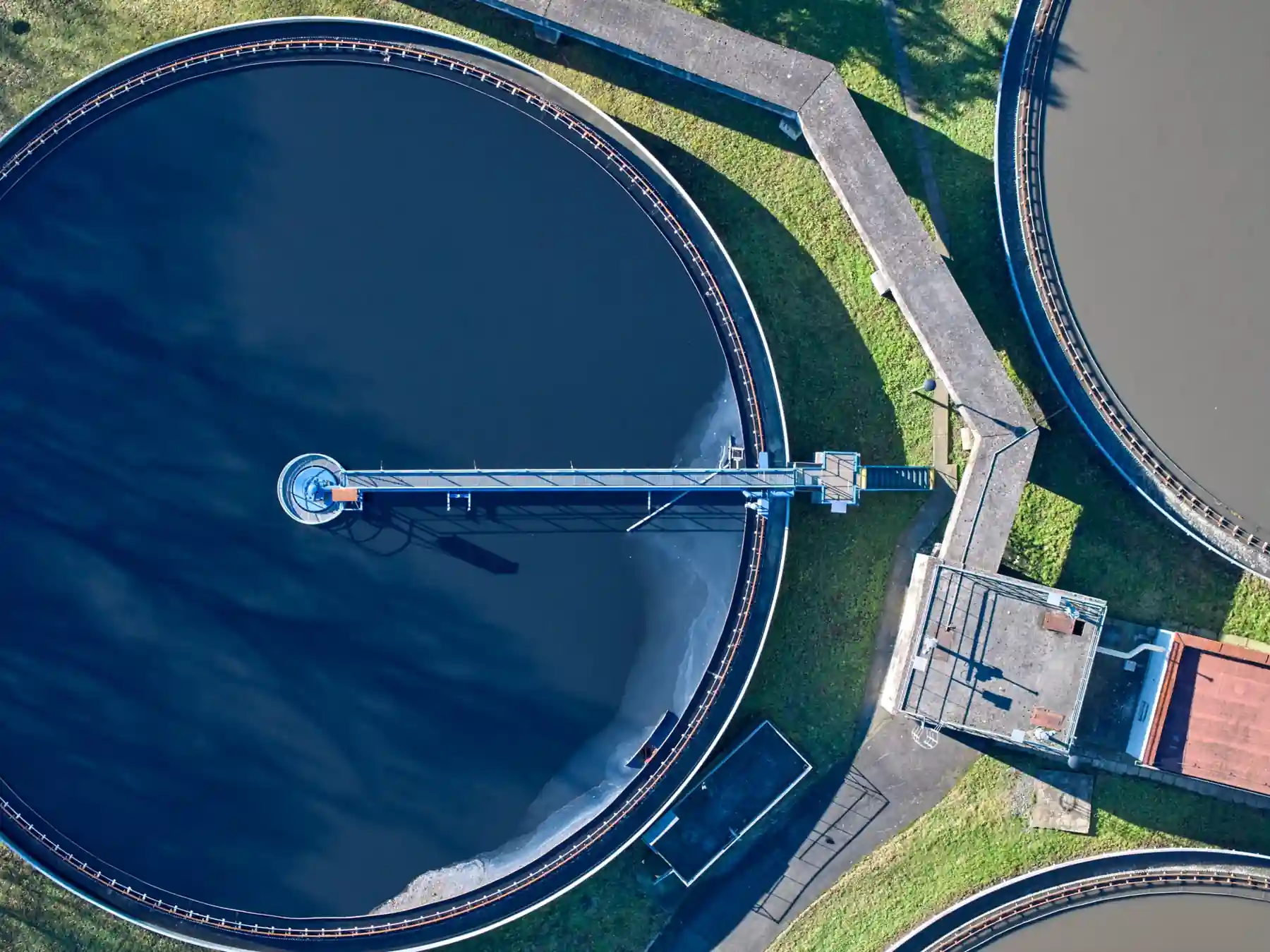
The work applies to primary clarifiers, which remove settleable solids from incoming wastewater, and secondary or final clarifiers, which separate biological solids from treated wastewater. Circular clarifiers commonly have a central feedwell, rotating bridge, scraper or suction mechanism, peripheral launders and a scum removal arrangement. The condition and layout of these components affect how the tank is cleaned.
Problems caused by sludge, grit and deposits
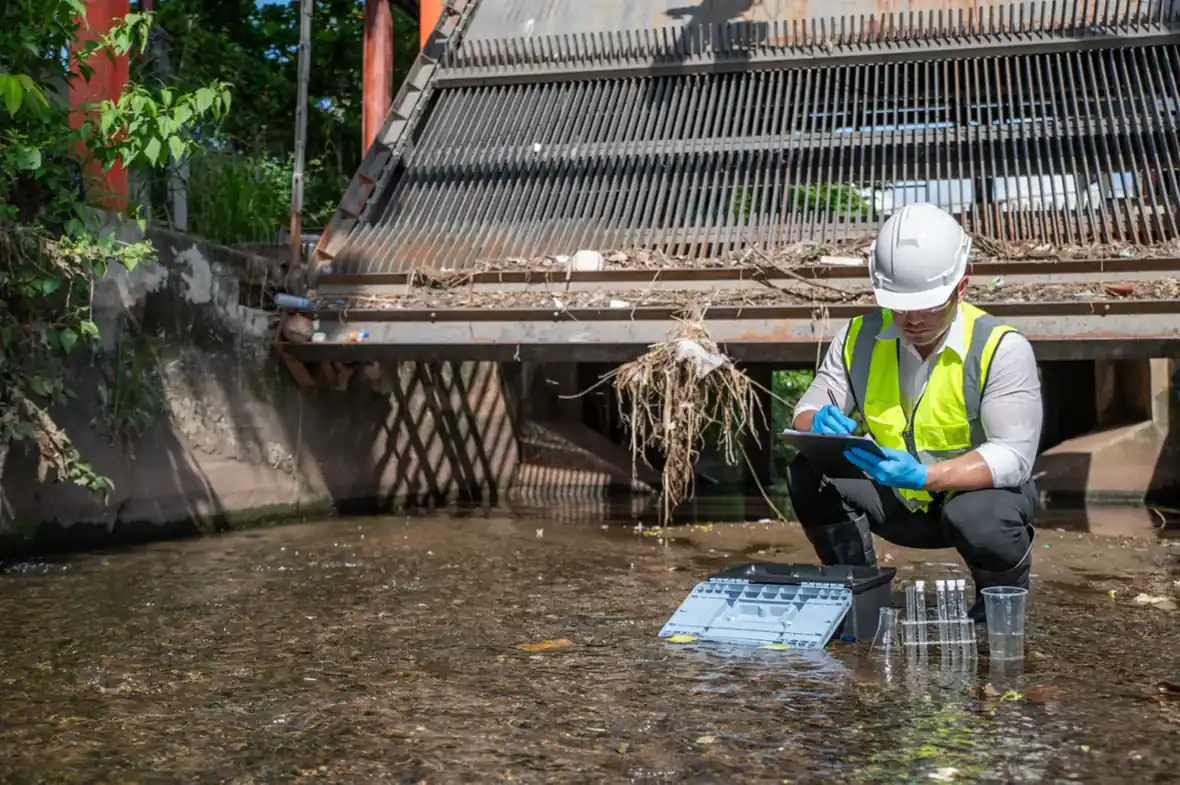
When a clarifier is carrying solids over the weirs or struggling to remove settled sludge, the cause may be related to the treatment process, the tank itself or both. Cleaning can address physical obstructions and accumulated material, although it will not correct every cause of poor settlement.
- Grit and compacted sludge on the floor: Deposits can build up beneath the scraper path or around the sludge hopper, reducing the space available for settled material and interfering with sludge collection.
- Rag and fibre on the rake arms: Material caught around the scraper mechanism, squeegees or feedwell can obstruct movement and affect sludge collection.
- Deposits in the launders: Accumulated solids and biological growth can restrict flow and interfere with the even collection of clarified water.
- Uneven or damaged weir plates: Differences in weir level can cause uneven flow distribution around the tank. Cleaning also provides an opportunity to identify damaged or displaced sections.
- Blocked scum equipment: Floating solids can collect around scum boards, collection troughs, scum boxes and associated pipework.
- Worn scraper components: Damaged blades or squeegees may leave settled material behind even when the mechanism continues to operate.
Uneven flow from the feedwell towards the outlet can also reduce effective settlement. A clean tank allows deposits and visible obstructions to be distinguished from problems that need further process or mechanical investigation.
Taking a clarifier out of service
Before a full clean, the works operator needs to establish how incoming flow and sludge movements will be managed while the clarifier is unavailable. At a works with several clarifiers, flow may be diverted to other tanks where their capacity and operating conditions allow. Some installations have standby capacity or other arrangements for planned maintenance.
Taking a secondary clarifier offline can also affect return activated sludge and surplus activated sludge arrangements. These need to be considered alongside the flow diversion because the solids balance across the treatment process may change.
Depending on the installation, the tank may be isolated, allowed to settle and progressively emptied through its existing sludge removal system. Supernatant may be returned to an appropriate part of the treatment process where the site arrangements permit. Once normal draw off has removed what it can, residual sludge, grit and settled deposits can be assessed for further removal.
The rotating bridge, scraper drive, pumps and connected equipment must be considered during isolation planning. Unexpected movement or automatic operation can present serious risks when cleaning takes place around the mechanism.
Inspecting the structure and mechanism
With the tank drained and accessible, previously submerged areas can be examined more closely. The floor, concrete surfaces, joints, hopper and benching may reveal deposits, damaged sections or areas where sludge has collected outside the normal scraper path.
The rake arms, scraper blades, squeegees, centre column and visible drive components can also be checked for fouling, wear or damage. Rag and fibre sometimes accumulate around components that cannot be inspected properly while the tank is full.
Where access permits, the sludge draw off, scum pipework and launder outlets can be examined for restrictions. Buried or inaccessible pipework may require separate investigation. Recording visible deposits and defects before cleaning can help establish whether the problem is localised or spread around the tank.
Removing sludge and cleaning the clarifier
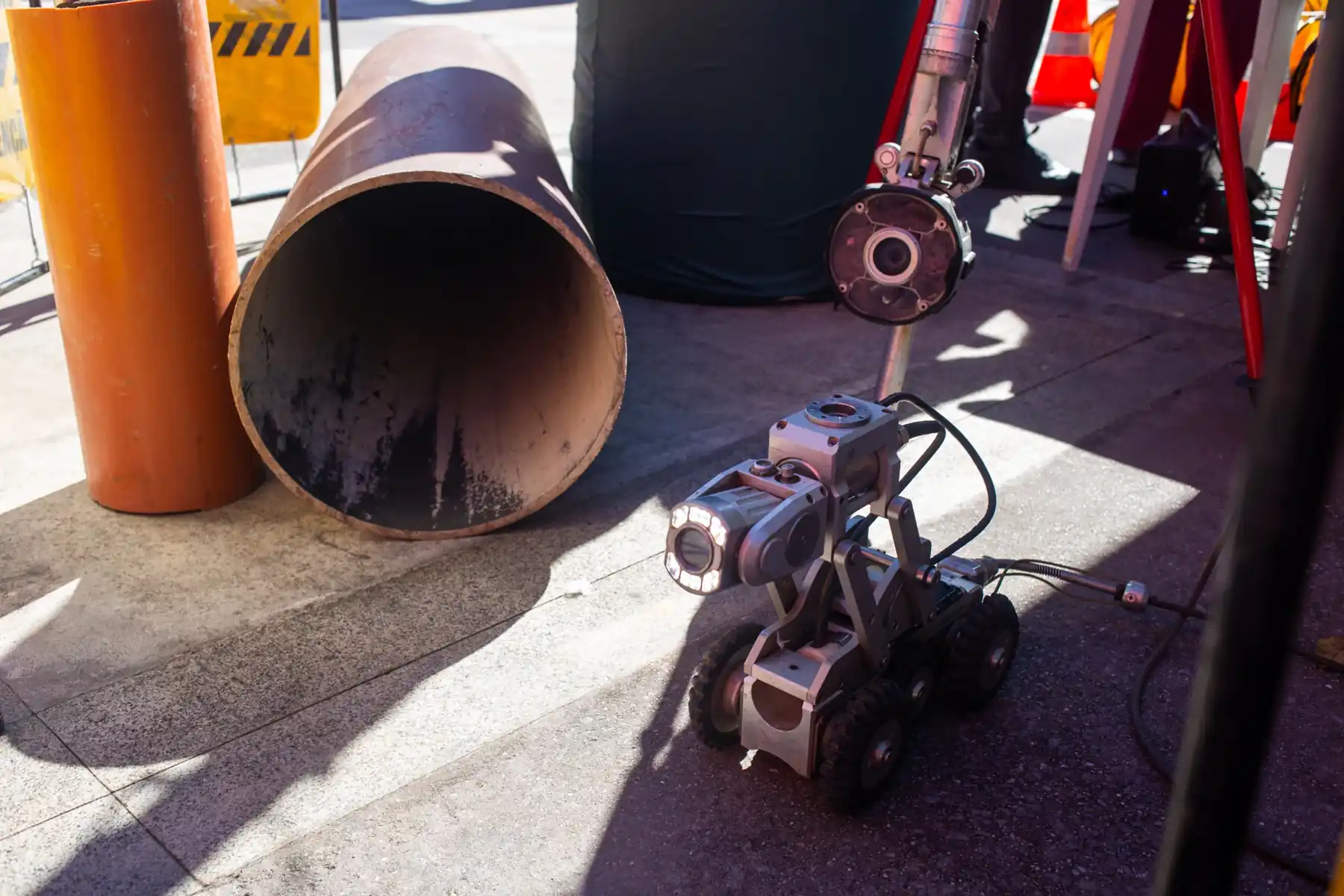
Bulk sludge is normally removed before work begins on the remaining deposits. Depending on its consistency and the available access, removal may involve existing pumps, suction equipment or vacuum tankers. Hose length, lift, access restrictions and the volume of material all influence the equipment needed. Our vacuum tanker hire page explains the considerations for tanker access and sludge removal.
Once the bulk material has been removed, compacted sludge and grit can be loosened and recovered using methods appropriate to the tank and the material. Some deposits need mechanical assistance or controlled washing before suction equipment can collect them.
Cleaning around the rake arms and feedwell includes removing rag, fibre and attached deposits without damaging the equipment. The scraper blades, squeegees and areas around the centre column may need particular attention where material has collected behind or beneath moving components.
Launders, weir plates and scum collection equipment are also cleaned. Deposits around the outlet can restrict flow or conceal damaged sections. Where weir levels or mechanical alignment are in question, these can be checked separately as part of the works inspection.
Wash water and loosened material need an identified collection or return arrangement appropriate to the treatment process. They should not simply be discharged through the clean effluent outlet.
Handling the sludge, grit and screenings
A clarifier can contain several materials requiring different handling. Sludge drawn from the hopper may be suitable for the works sludge treatment system, while grit, rag, plastics and other screened material may need to be collected separately.
The composition depends on what enters the clarifier. Primary sludge from a municipal sewage works differs from sludge arising at an industrial effluent treatment plant. Chemical dosing, manufacturing processes and incoming contaminants can affect the material and its classification.
Waste removed from the site needs to be assessed and classified according to its actual composition using the waste classification technical guidance. Our sludge waste classification page explains the assessment of sludge waste and the information used to describe it.
Where material is transferred off site as waste, the relevant responsibilities under the waste duty of care code of practice must be considered. The regulatory arrangements differ across the UK, with the Environment Agency in England, Natural Resources Wales in Wales, the Scottish Environment Protection Agency in Scotland and the Northern Ireland Environment Agency in Northern Ireland. Hazardous waste is also referred to as special waste in Scotland.
Separating grit, screenings and sludge where appropriate can make the waste easier to describe and helps establish which treatment or disposal routes are suitable for each material.
Confined space assessment and access
Cleaning a clarifier can involve risks associated with residual liquids, slippery surfaces, sloping floors, moving machinery and restricted access. Depending on its construction and the hazards present, a drained clarifier may also meet the legal definition of a confined space.
Potential atmospheric hazards depend on the material in the tank and the conditions during cleaning. Wastewater sludge can produce hazardous gases, including hydrogen sulphide, and disturbing deposits may change the atmosphere around the work area. These conditions need assessment rather than assumptions based on the tank being open at the top.
The Confined Spaces Regulations 1997 require entry to be avoided where work can reasonably be completed without entering a confined space. Where entry cannot be avoided, a safe system of work and suitable emergency arrangements are required. The HSE guidance on confined spaces explains how the definition and relevant precautions apply.
Suction and cleaning equipment may allow some work to be carried out from suitable positions outside the tank. Where entry is necessary, the arrangements depend on the assessed conditions, equipment isolation, access, atmospheric hazards and means of recovery.
Returning the clarifier to service
After cleaning, the works operator can inspect the floor, mechanism, launders and scum system before the tank is refilled. Material left around the sludge hopper, damaged scraper components or obstructions in the outlet arrangements may need attention before normal operation resumes.
Refilling and restarting depend on the clarifier design and the treatment process. The operator needs to consider the incoming flow, bridge and scraper operation, sludge withdrawal and, for secondary clarifiers, the return activated sludge arrangements. A cleaned tank still needs the correct process conditions to separate solids effectively.
For activated sludge systems, sludge settleability is one factor affecting final settlement. The sludge volume index provides information about settling characteristics but does not, on its own, establish whether the clarifier is performing properly. Our sludge volume index page explains the test and its use in assessing activated sludge.
Where grit or similar deposits repeatedly accumulate, the upstream screening and grit removal arrangements may also need investigation. Cleaning removes the accumulated material, but the cause of repeated deposition may lie elsewhere in the works.
Planning clarifier cleaning at a treatment works
The main considerations are the material remaining in the clarifier, how the works will operate while the tank is unavailable and the access available for removing the waste. A circular clarifier positioned between other treatment units may have limited tanker access, requiring a longer hose run or a different removal arrangement.
Information about the tank diameter, depth, scraper mechanism, sludge consistency, available access and existing sludge removal system helps establish the scope of the work. Photographs of deposits, the feedwell, bridge and launders can also help identify areas that need attention.
For other types of settling equipment, our settlement tank cleaning page covers the wider range of settlement tanks, including rectangular and package plant installations. Our wastewater sludge removal page covers sludge removal across different stages of wastewater treatment.
For clarifier cleaning enquiries, provide the tank details, the material that needs removing and any known access or operating restrictions. These details help establish the cleaning requirements and the sludge removal arrangements around the work.
Free online tool
Sludge EWC Code Checker
Look up sludge sources, possible contaminants and waste-code candidates.
Common questions
Frequently asked questions
What is the difference between desludging and clarifier cleaning?
Desludging removes settled sludge through the existing sludge draw off, often while the clarifier remains in operation. A full clean normally involves taking the tank offline to remove compacted grit, rag, scum and deposits that routine sludge withdrawal leaves behind. Cleaning also makes the floor, scraper mechanism and submerged components accessible for inspection.
Why is my clarifier carrying solids over the weirs?
Solids carryover can result from poor sludge settlement, excessive hydraulic or solids loading, uneven flow distribution or problems within the clarifier. Deposits in the launders, damaged weirs and obstructions around the feedwell may contribute. In an activated sludge system, sludge volume index can help assess settleability, but flow conditions and mechanical performance also need consideration.
Does a clarifier need to be taken out of service for cleaning?
A full clean of the floor and submerged scraper components normally requires the clarifier to be isolated and drained. Some accessible equipment and surface deposits can be cleaned without emptying the entire tank. The works operator must establish how incoming flow and sludge movements will be managed during an offline clean.
Can clarifier cleaning be completed without entering the tank?
Some sludge removal and washing work can be carried out using suction, jetting or suitable equipment operated from outside the tank. Whether entry is needed depends on the deposits, tank layout and cleaning requirements. Where the tank meets the confined space definition, the Confined Spaces Regulations 1997 govern entry arrangements.
What happens to the sludge, grit and rag removed?
The materials are assessed according to their composition and the treatment or disposal route available. Sludge may be handled through the works treatment system, while grit, rag and screenings may require separate collection. Waste transferred off site must be appropriately classified and handled under the applicable duty of care requirements.
How often should a clarifier be cleaned?
There is no single cleaning interval suitable for every clarifier. The need depends on incoming material, the effectiveness of routine sludge withdrawal, the condition of the mechanism and the rate at which deposits accumulate. Inspection findings and records of previous cleaning can help the works operator decide when another full clean is needed.
Request a quote
Complete the form and we will get back to you.