
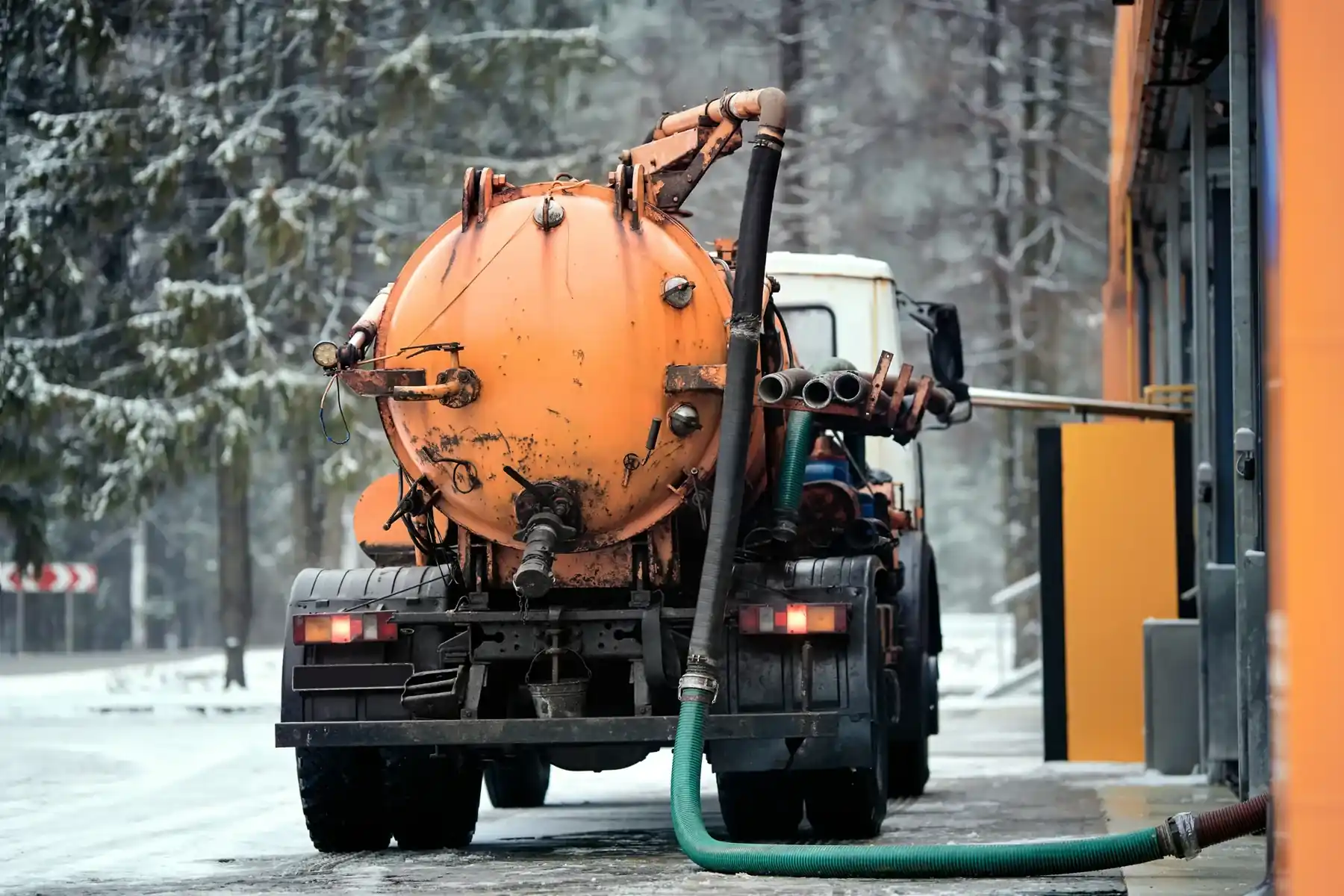
Industrial sludge removal
Silt Removal
Silt builds up in settlement ponds, silt traps, attenuation tanks and SuDS chambers until storage volume and discharge quality suffer. Removing it safely depends on the structure, the settled material and where the water above it can go. We can help with silt removal and disposal.
What silt removal involves
Silt is the fine mineral and organic material that settles out of water when flow slows. In a construction settlement pond, wheel wash pit or silt trap, that material accumulates until the structure no longer holds the volume it was designed for. The same happens in attenuation tanks, storage lagoons and SuDS chambers, where sediment reduces storage capacity and can be mobilised again during heavy rain.
The work is not simply pumping out a pond. Silt often sits under a layer of water that must be managed separately, and the settled material may be too thin to handle without dewatering. Access, depth, the presence of a liner and the condition of any outlet or control structure all affect how the material can be removed. We can help with planned silt removal from settlement ponds, silt traps, attenuation tanks, SuDS chambers, culverts and wheel wash pits.
Why silt removal matters on construction sites
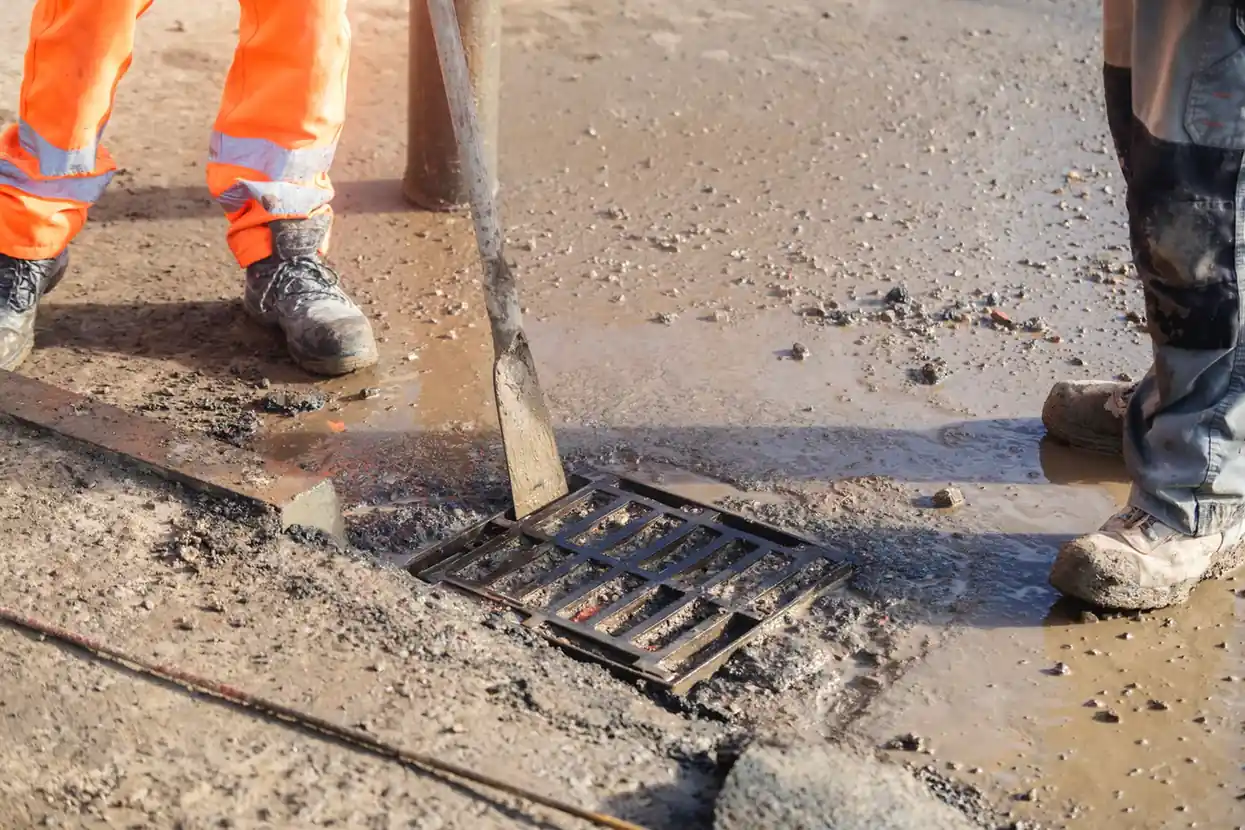
Silty water can cause pollution if it is discharged to surface water without suitable controls. On construction sites, settlement ponds, silt traps and other treatment measures need enough working capacity to manage the expected flow and sediment load.
Any proposed discharge of silty or treated water must be checked against the rules for the receiving system and the relevant UK nation. Depending on the destination and circumstances, permission from the sewerage undertaker, an environmental permit or another authorisation may be required. Dewatering equipment can separate solids, but the resulting water still needs an appropriate route.
Methods for removing silt
The method depends on the settled layer, access and what can happen to the liquid above it. Common approaches include:
- Vacuum tanker removal for thin, pumpable silt and liquid sludge.
- Excavation for thicker, consolidated material where plant can safely reach the silt.
- Dredging or long-reach methods where the structure is deep or access is restricted.
- Dewatering before removal using geobags, filter presses or temporary settlement.
Each method has limits. Vacuum tankers cannot lift material that is too thick or contains large debris. Excavators need a stable platform and may damage liners if the silt is not separated from the base. Dredging can resuspend sediment, which matters if the water is to be discharged. The sequence of work, including any temporary isolation or bypass, needs planning before mobilisation.
Settlement pond and tank cleaning
A settlement pond can look full of water while most of its usable volume is occupied by sludge. The removal method depends on the settled layer, access and what can happen to the liquid above it. We can help with planned desludging and maintenance projects for settlement ponds, settlement tanks and silt lagoons.
In tanks and chambers, the silt may be mixed with grit, cement fines or organic material. Cement fines can raise pH, which affects both the water and the classification of the silt. High pH silty water is not suitable for direct discharge and may need neutralisation or containment. The tank itself may be a confined space, so entry should only be considered where it is unavoidable and then only under a safe system of work with adequate emergency arrangements, as required by the Confined Spaces Regulations 1997.
Silt disposal and waste classification
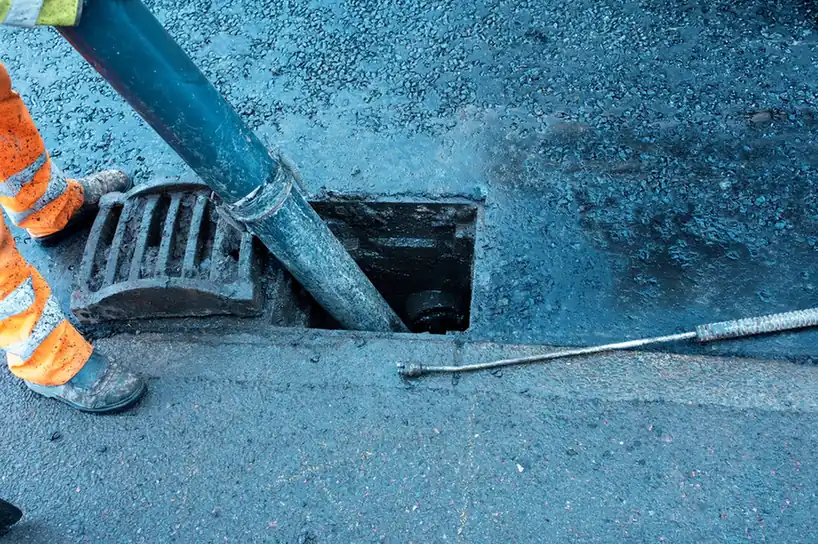
There is no single waste code for material described as construction silt. Codes 17 05 03* and 17 05 04 apply to soil and stones where that description fits the waste, while dredging spoil has separate entries 17 05 05* and 17 05 06. Sludges from soil or groundwater remediation can fall under 19 13 entries. The correct code depends on the source, process, composition and physical form of the waste.
Classification should follow the joint agency technical guidance WM3. Sampling and testing may be needed, particularly where the silt could contain oils, metals, cement fines or other contaminants. Waste documentation supports traceability; it does not prove legal compliance. The duty of care applies to anyone who produces, carries, keeps, treats or disposes of controlled waste, and failure to comply is an offence.
Routes can include treatment, recovery or disposal at an appropriately authorised facility. On-site use may be possible in some circumstances, but only where the material, intended use and relevant waste controls support it. We can help with the information needed to confirm a suitable route.
Dewatering silt before removal
Thin silt is expensive to transport because much of the volume is water. Dewatering on site can reduce the volume that needs to leave. Geobags and filter bags are common for construction silt, but they need space, a suitable base and a plan for the filtrate. Filter presses and belt presses can produce a drier cake but need power, access and a feed that suits the equipment.
Dewatering does not make waste non-hazardous. It changes the physical form and reduces volume, but the classification still depends on the contaminants present. The liquid produced during dewatering also needs a discharge route or disposal. We can help with silt dewatering and the decisions around it.
Planning silt removal work
Before work starts, it helps to establish the depth and volume of silt, the water level and how it will be managed, access for plant and tankers, and the condition of any liner, outlet or control structure. Sampling may be needed early if disposal or reuse is planned, because classification affects the options and the paperwork.
Safety-critical work in tanks, chambers and deep ponds must be carried out by competent specialist teams. Where entry is unavoidable, the Confined Spaces Regulations 1997 require a safe system of work and adequate emergency arrangements. Work near water, on unstable ground or around live drainage also needs assessment.
We can help with silt removal from settlement ponds, silt traps, attenuation tanks, SuDS chambers, culverts and wheel wash pits, including dewatering, classification and disposal. Related pages cover sludge dewatering, sludge waste classification and construction sludge removal.
Free online tool
Sludge EWC Code Checker
Look up sludge sources, possible contaminants and waste-code candidates.
Common questions
Frequently asked questions
How do I know if silt is hazardous waste?
You cannot tell from the name alone. Classification depends on what produced the material, its composition and the correct List of Waste entry. Sampling and testing may be needed where the source information is not enough to support the classification.
Can silt be dewatered on site?
Yes, where there is space and a suitable base. Geobags, filter bags and filter presses are common. The filtrate still needs a discharge route or disposal, and dewatering does not change the waste classification.
What waste code applies to silt?
There is no single code for construction silt. If the material is correctly described as soil and stones, 17 05 03* or 17 05 04 may apply. Dredging spoil uses 17 05 05* or 17 05 06, and remediation sludges can fall under 19 13 entries. The source, process and composition determine the code.
Do I need a permit to discharge silty water?
It depends on where the water will go and the rules that apply in that UK nation. A discharge to sewer may need the sewerage undertaker's consent, while a discharge to surface water may need an environmental permit or another authorisation. The route should be confirmed before pumping starts.
Request a quote
Complete the form and we will get back to you.