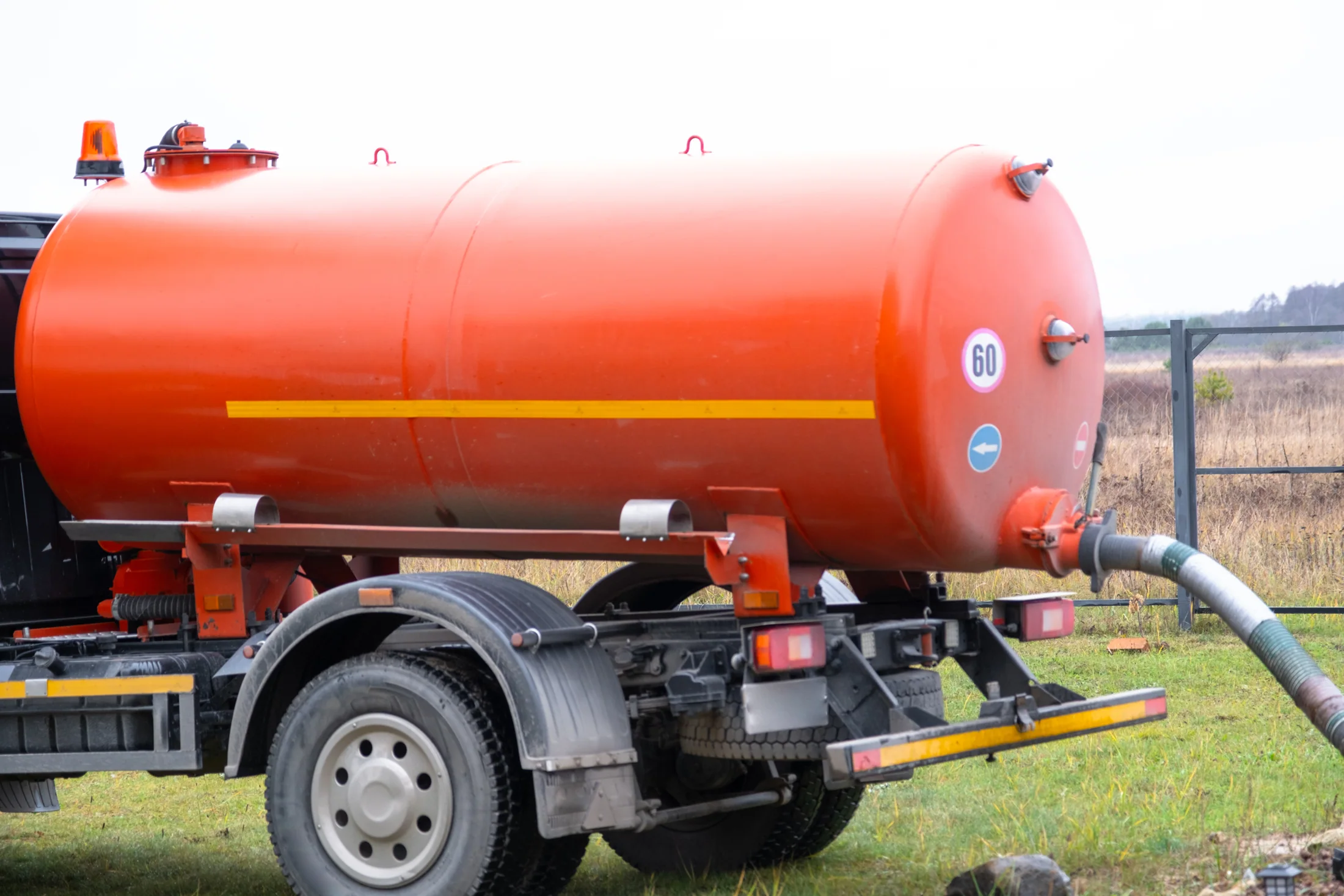
A vacuum tanker does not always need to park directly beside the tank or chamber being emptied. Material can be recovered through a suction hose, provided the tanker can be positioned appropriately and the hose, suction conditions and waste consistency are suitable for the proposed transfer.
The practical question is not simply whether a tanker can drive through the gate. It is whether the whole collection arrangement can reach the waste, transfer it reliably and remove the intended quantity without interfering unnecessarily with site operations.
Start by identifying a realistic tanker position
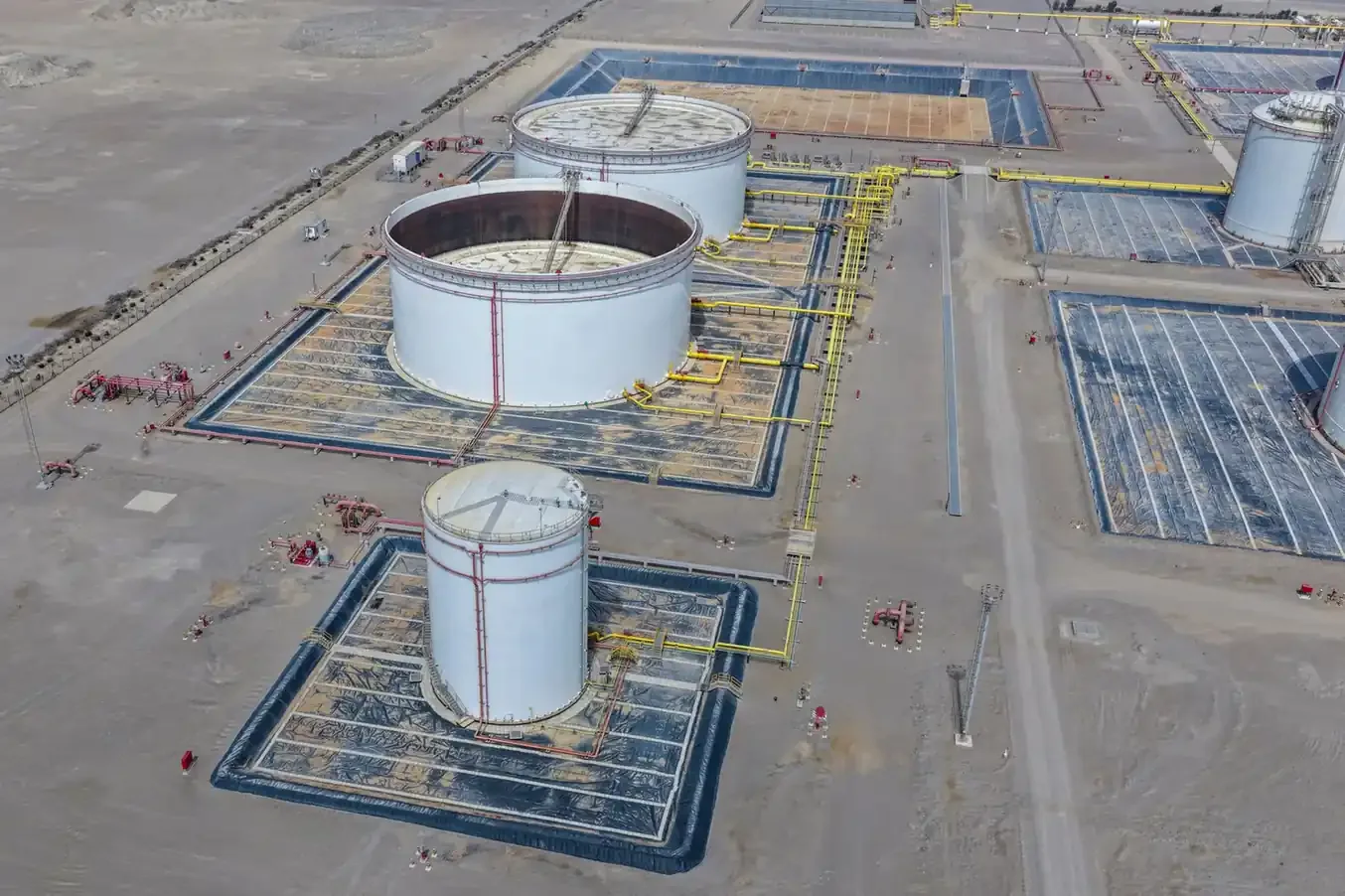
For an underground chamber, industrial tank or drainage sump, the nearest accessible parking area may be some distance from the extraction point. That can be workable, but distance alone does not determine feasibility.
Consider the vehicle approach, turning space, surface condition, overhead restrictions and whether the proposed standing area must remain available for other operations. A loading yard used continuously by delivery vehicles may offer suitable physical space but require an agreed collection window.
The hose route matters separately. A tanker may be able to stop near a building while the waste is held behind a wall, below floor level or within a restricted compound. The assessment therefore needs both the vehicle position and the actual path to the opening.
For vacuum tanker hire for commercial sludge and liquid waste, identifying these positions in advance helps establish the appropriate collection arrangement.
Why hose length does not tell the whole story
A longer suction hose creates additional resistance to flow. Friction within the hose, changes in elevation, bends and the properties of the waste all influence how reliably material can be moved.
It is useful to distinguish the following distances:
- Horizontal route: the distance between tanker and extraction opening along the actual hose path.
- Vertical lift: the height difference between the waste surface and the suction equipment.
- Submerged reach: the additional hose required to reach deposits below the opening or liquid surface.
- Route complexity: bends, changes in level and obstacles that affect hose placement.
Vacuum equipment is subject to physical limits. The available pressure difference must overcome static lift and flow losses. A long horizontal hose does not have the same effect as lifting dense waste vertically, and the two should not be treated as interchangeable measurements.
As transfer resistance increases, the collection rate may fall or extraction may become impractical with a particular arrangement. A quoted maximum hose length therefore does not prove that every material can be recovered over that distance.
What changes when the waste contains thick sludge or grit?
Water-rich liquid generally behaves differently from a concentrated sludge. The same chamber may initially release free liquid easily while retaining dense sediment that will not move towards the suction intake.
Thick sludge may resist flowing through the hose. Grit, stones, fibrous material or larger debris may cause restrictions, particularly where the hose route includes narrow sections or bends.
There is also an important difference between a deposit that can enter a hose and material that cannot be mobilised at the extraction point. Increasing suction does not automatically make compacted sludge detach from a tank floor or move around internal obstructions.
Before choosing an arrangement, establish whether the chamber contains mainly free liquid, a pumpable mixture or a substantial settled layer. When the work is principally about removing persistent settled material, our desludging information for tanks and chambers explains the distinction between emptying liquid and recovering bottom deposits.
Check the access opening, not just the tanker route
A chamber with a nearby vehicle position may still be difficult to empty if its access opening is too small, poorly placed or obstructed by internal equipment.
Useful details include the cover dimensions, depth to the waste surface, chamber shape and position of fixed pipework, baffles or pumps. Where a vessel has several connected compartments, confirm whether each area can be reached through the available openings.
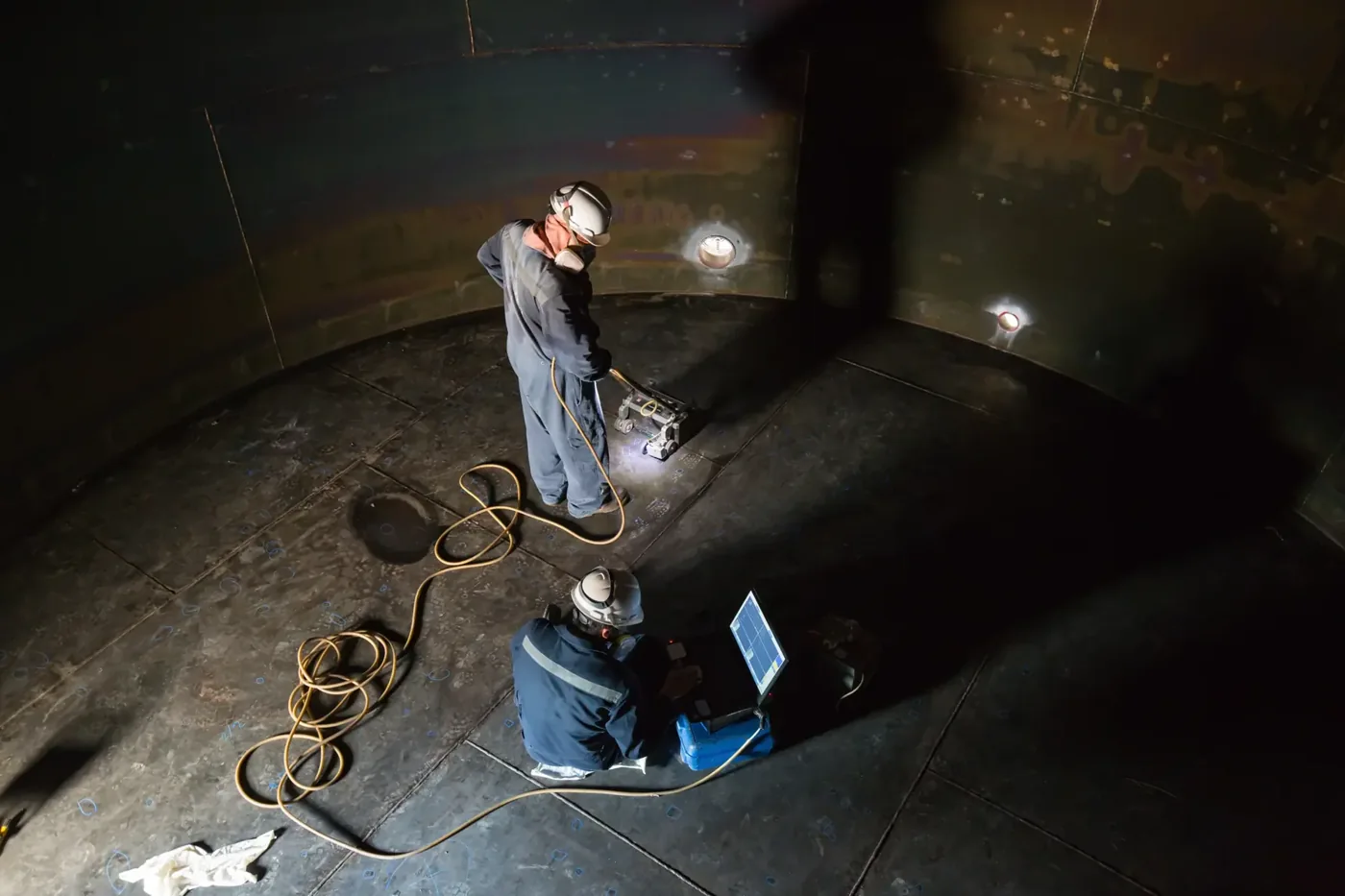
An external suction arrangement may avoid the need for entry. This is an important distinction from a task that requires a person to enter the vessel for inspection or physical removal of deposits.
The Health and Safety Executive’s confined-space guidance for Great Britain identifies avoiding entry, including working from outside, as the first consideration where confined-space regulations apply.
Knowing whether the intended material can actually be reached from outside helps determine whether the job is an ordinary external extraction or requires a different planned method.
Allow for material arriving during the collection
An apparently straightforward chamber can become more complicated if liquid continues to enter while extraction is taking place.
For a production sump, the relevant inflow may come from washdown or process equipment. For a drainage chamber, incoming water may depend on rainfall or connected site drainage.
Before scheduling collection, establish whether inflow can be temporarily interrupted, whether the chamber serves an operating process and whether downstream equipment depends on maintaining a particular liquid level.
It is also necessary to distinguish a fixed quantity awaiting removal from a continuing accumulation. A tanker collecting an existing deposit does not automatically resolve the source of further waste entering the chamber.
One visit or several collections?
A tank’s estimated waste volume is not necessarily equivalent to a single vehicle load. The usable carrying capacity depends on the vehicle, the density and characteristics of the material, applicable weight limits and the practical collection arrangement.
Volume and mass are different considerations. A dense slurry may reach a relevant weight limit before the vehicle’s full tank volume is used, while a lighter liquid presents a different relationship between volume and load weight.
If the estimated waste quantity exceeds what can be taken in one collection, the proposal needs to account for additional journeys or another suitable arrangement. The location of the receiving facility also affects how the collection programme is organised.
Where the contents are waste requiring off-site management, the receiving route remains part of the planning. The waste duty-of-care code explains the requirements for describing controlled waste and transferring it to authorised recipients in England and Wales.
What should you send when requesting a tanker quotation?
The most helpful enquiry provides enough detail to assess reach, material behaviour and the intended collection quantity together.
- Access photographs: show the approach road, proposed parking area, access opening and surrounding obstacles.
- Measured route: estimate the actual hose path and identify significant changes in height.
- Chamber details: include dimensions, opening size, approximate depth and known internal obstructions.
- Waste description: distinguish free liquid from thick sludge, grit, floating material or larger debris.
- Quantity: explain how the estimate was obtained and whether the entire contents require removal.
- Operating conditions: identify incoming flows, preferred working periods and areas that must remain accessible.
- Waste destination: provide existing classification or receiving information where available.
Photos and approximate measurements can establish whether further assessment is necessary without pretending to provide a complete technical specification.
The best proposed arrangement is not automatically the vehicle parked closest to the chamber. It is the one whose access route, suction conditions, collection capacity and waste destination match what the site actually needs removed.