Before liquid waste can be collected, the receiving route needs enough information to establish what the material is, how much there is, whether it can be pumped and whether the intended facility can accept it. A description such as dirty water, washwater or contaminated liquid may establish the general problem, but it rarely provides everything needed to agree a collection.
The most useful preparation is to identify the process that produced the liquid, its current condition, the quantity held and any existing analysis. These details help distinguish straightforward collection from a job requiring further assessment or a different treatment route.
Start with the process that produced the liquid
Liquid appearance is a poor substitute for source information. Clear-looking water may contain dissolved substances, while visibly cloudy water may primarily contain suspended mineral solids. Neither appearance identifies the correct receiving route.
When preparing an enquiry, establish whether the material comes from industrial washing, manufacturing, drainage, cleaning, a treatment process or another identifiable activity. Record any chemicals introduced during that process and whether the incoming materials have changed.
For example, washwater from a production area may contain detergent, product residues and fine solids. Water collected from an outdoor containment area may contain rainfall mixed with residues from the substances stored there. The presence of water in both does not make them interchangeable.
For commercial liquid waste collection and disposal, a process-based description helps identify the questions that need answering before a treatment destination is selected.
Identify whether the contents form one liquid or several layers
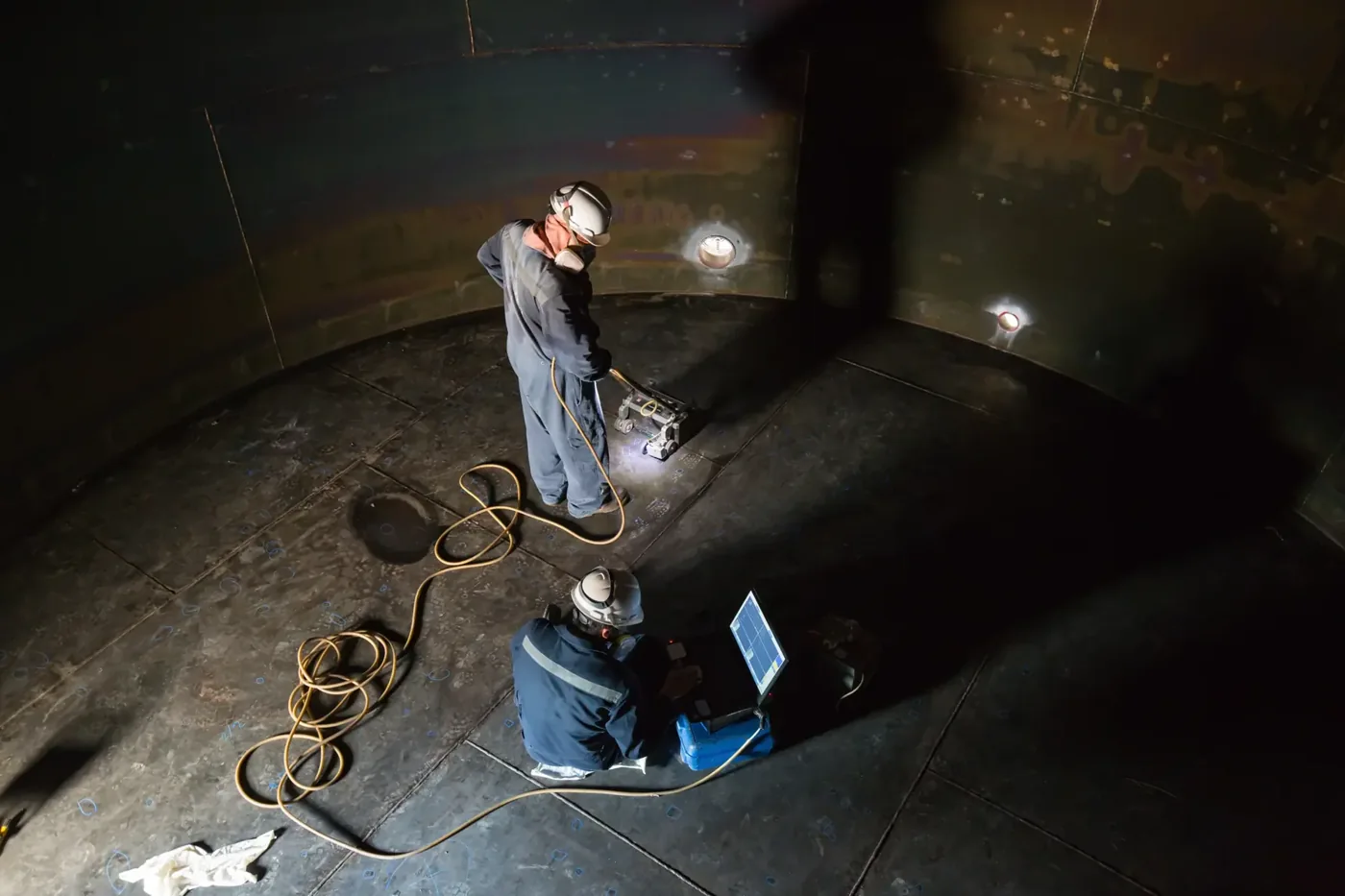
Not everything held in a liquid waste tank is necessarily a uniform liquid. A holding vessel can contain relatively clear water at the top, suspended particles through the middle and concentrated sludge at the bottom. Oily material may form a separate floating layer.
These differences affect both extraction and the description of what will be removed. Drawing from the upper liquid layer may initially produce a freely flowing load, while continued extraction reaches denser sediment that behaves differently.
Before collection, record any known:
- Floating oil, grease or other distinct surface material.
- Settled solids, grit or sludge at the bottom.
- Changes in colour, consistency or contents between batches.
- History of different liquids being added to the same storage vessel.
Separate layers do not automatically require separate collections. Equally, they should not be assumed to share one classification or receiving route without assessment. The actual contents and proposed method of removal determine the appropriate arrangement.
Work out the quantity that genuinely needs collecting
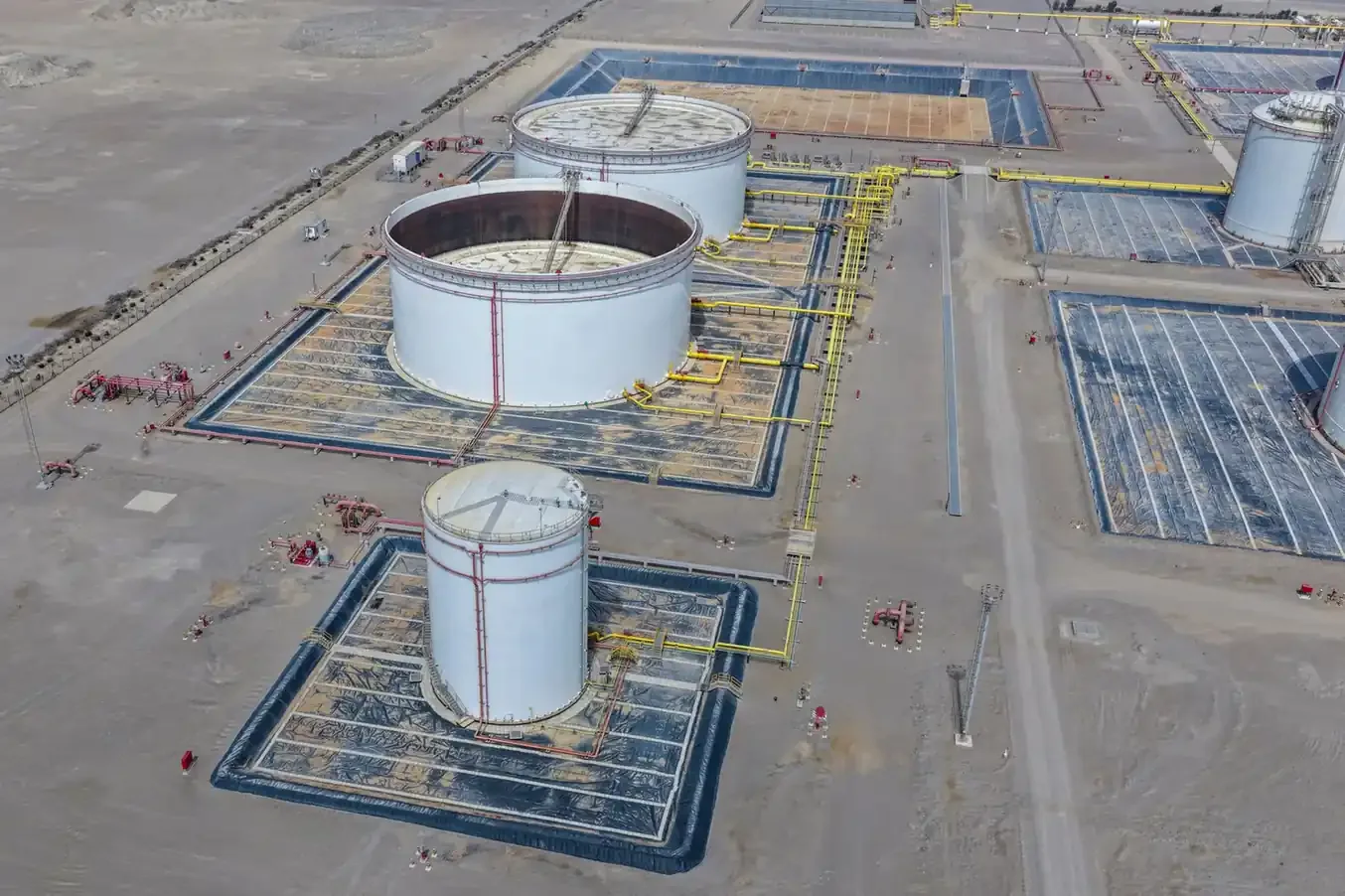
A vessel’s nominal capacity is not the same as its current waste volume. A tank rated to hold 20 cubic metres may be partly empty, contain internal structures or retain a settled layer that cannot be measured from the visible liquid level alone.
Begin with the tank dimensions, available level readings and filling history. For a regular waste stream, production or collection records can help establish whether the current volume is typical or unusually high.
Where the contents vary by depth, distinguish the estimate for free liquid from the estimate for accumulated solids. The contractor needs to know whether the intended scope includes removing the entire contents or only a defined fraction.
Also establish whether liquid will continue entering during the collection. A single recorded volume may become inaccurate if production, washdown or drainage continues while the work is being arranged.
When is laboratory analysis needed?
Testing becomes particularly relevant when the liquid’s composition is uncertain, the process has changed or the proposed receiving facility requires evidence about particular constituents.
It is useful to distinguish waste classification from acceptance testing. Classification establishes the appropriate waste description, code and hazardous properties where applicable. Acceptance assessment establishes whether a particular facility can receive and treat that material under its arrangements.
A waste code alone does not establish acceptance. The receiving facility may need information about substances such as hydrocarbons, metals, suspended solids or other process-specific constituents.
The Environment Agency’s waste classification technical guidance provides the assessment framework for England. Our sampling information explains why an unrepresentative sample can give a misleading picture of material held in a tank.
Where there is already a recent, representative analysis, provide it with its sampling date, location and information about the process at that time. Where no reliable evidence exists, the relevant questions should be agreed before commissioning tests rather than ordering an arbitrary laboratory package.
Choose between tankered collection and another management route
Not every liquid must follow the same route. Depending on composition, available treatment arrangements and the site’s circumstances, options may include off-site tankered collection, treatment before onward transfer or an authorised discharge arrangement.
These are different decisions. Removing liquid from a site in a tanker transfers it to another receiving operation. Treating liquid on site may change its physical or chemical condition but leaves any resulting residues to be managed. Discharging liquid involves a separate destination and applicable conditions.
In England, the Environment Agency’s discharge guidance distinguishes environmental discharges from trade effluent sent to a public foul sewer under the relevant sewerage undertaker’s arrangements.
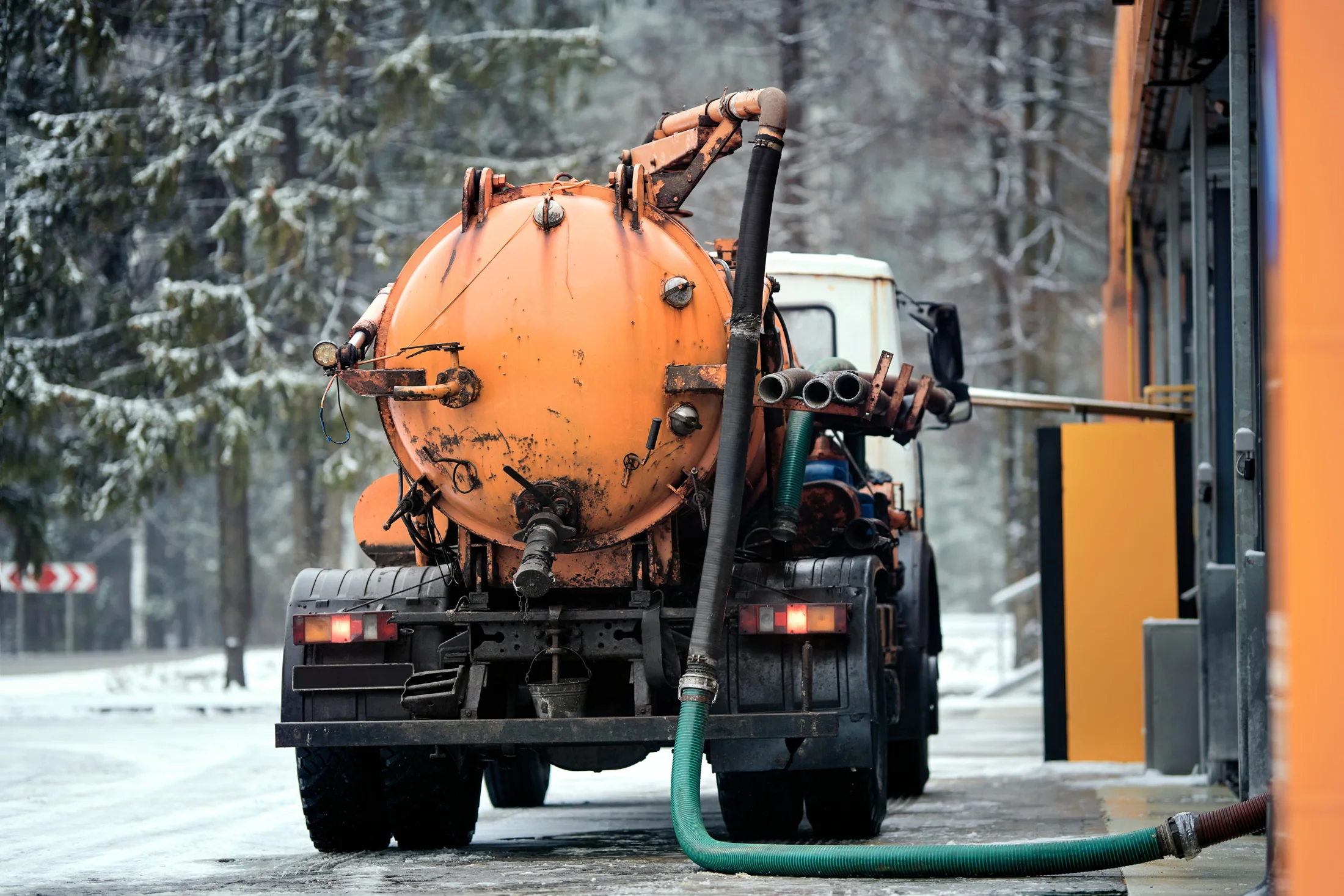
Where the site cannot use an established discharge route, tankered collection may be the practical option. The decisive questions are which facility can accept the waste, what information it requires and how the collection will be carried out.
Confirm the receiving route and collection records
A collection arrangement needs more than a vehicle and a destination address. The receiving organisation must be authorised for the relevant waste activity, and the material must be accurately described.
The waste duty-of-care code for England and Wales explains the checks involved when transferring controlled waste, including verifying the recipient’s authorisation and providing sufficient information to manage the waste properly.
Before agreeing the job, establish who is arranging the receiving facility, which material has been accepted and what documentation will record the transfer. If the load differs materially from its submitted description, its suitability for the planned destination may need reassessment.
What should be included in the initial collection enquiry?
A concise enquiry can save repeated questions if it contains the information that actually affects collection and acceptance:
- The source process and why the liquid has become waste.
- The estimated quantity, storage location and container or tank details.
- Known oil layers, sediment, sludge or other changes in consistency.
- Available analysis, chemical information and previous waste descriptions.
- Whether production or drainage will continue adding material.
- Access arrangements, preferred collection window and any operational restrictions.
- Whether the whole contents or a defined quantity requires removal.
Unknown details can be identified as unknown rather than replaced with assumptions. The purpose is to establish what must be checked before the collection and receiving route can be agreed.
Providing the source, composition evidence, quantity and practical access information makes it easier to compare proposals on a consistent basis. It also helps avoid treating very different liquid wastes as though they only require the same tanker journey.