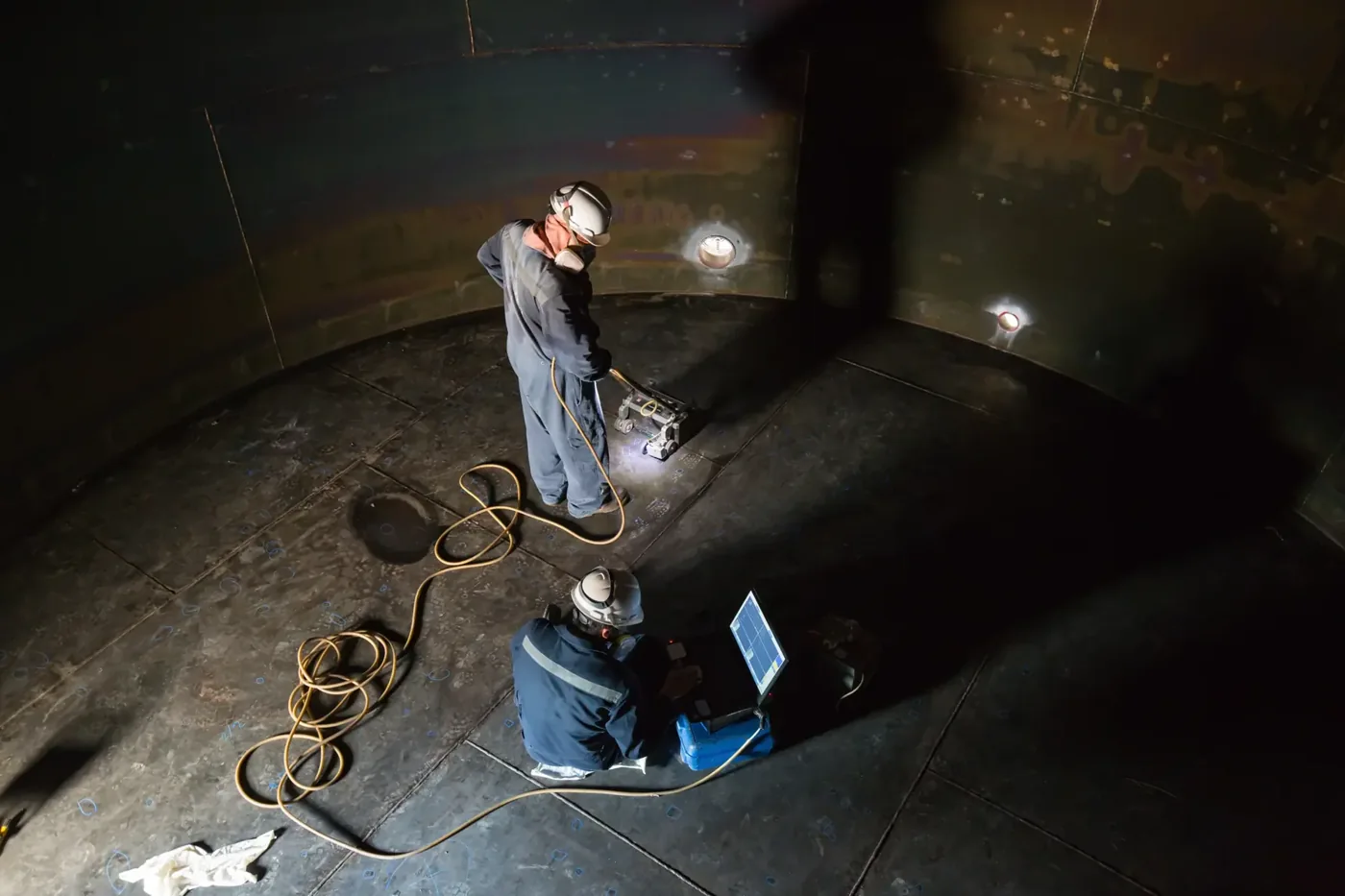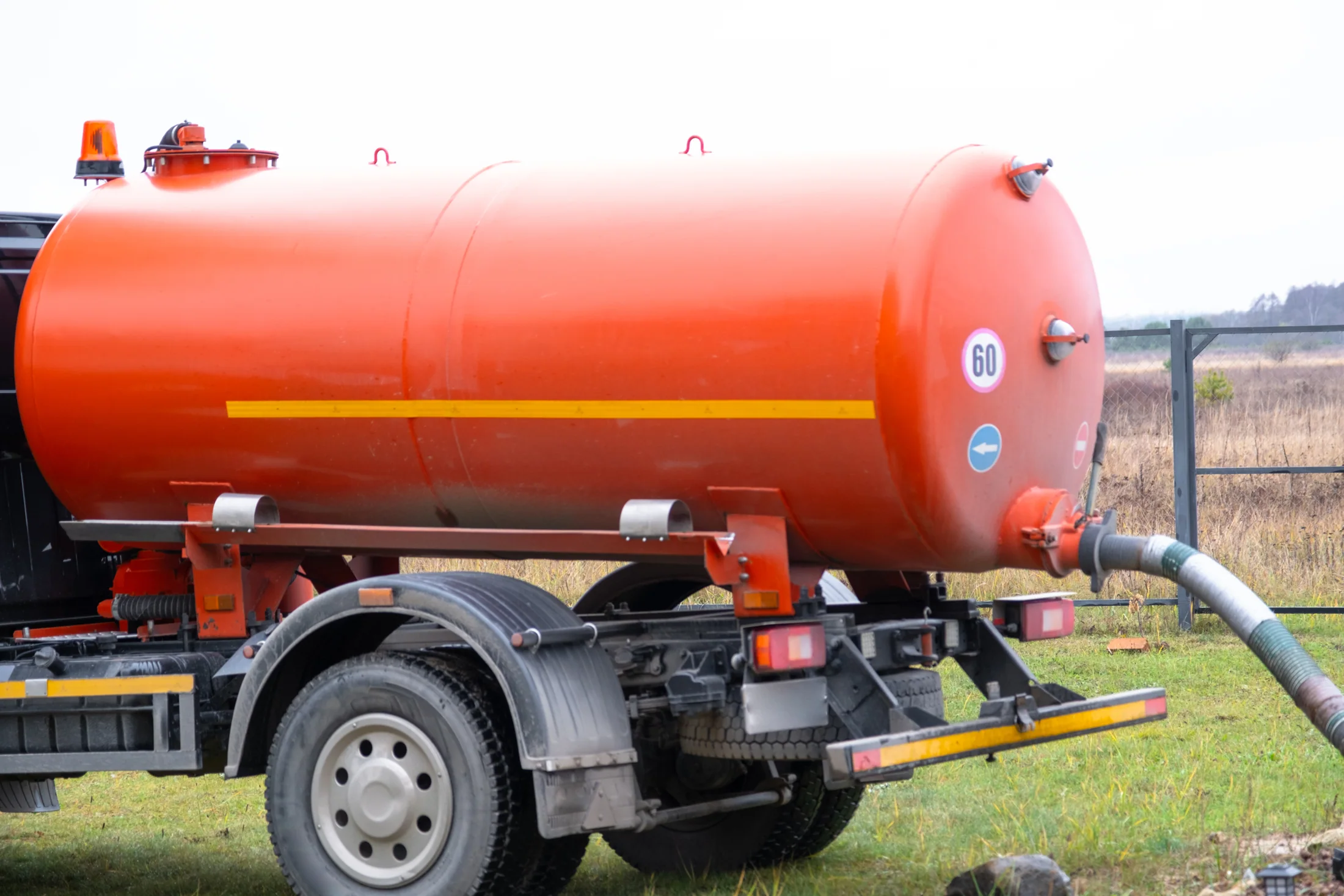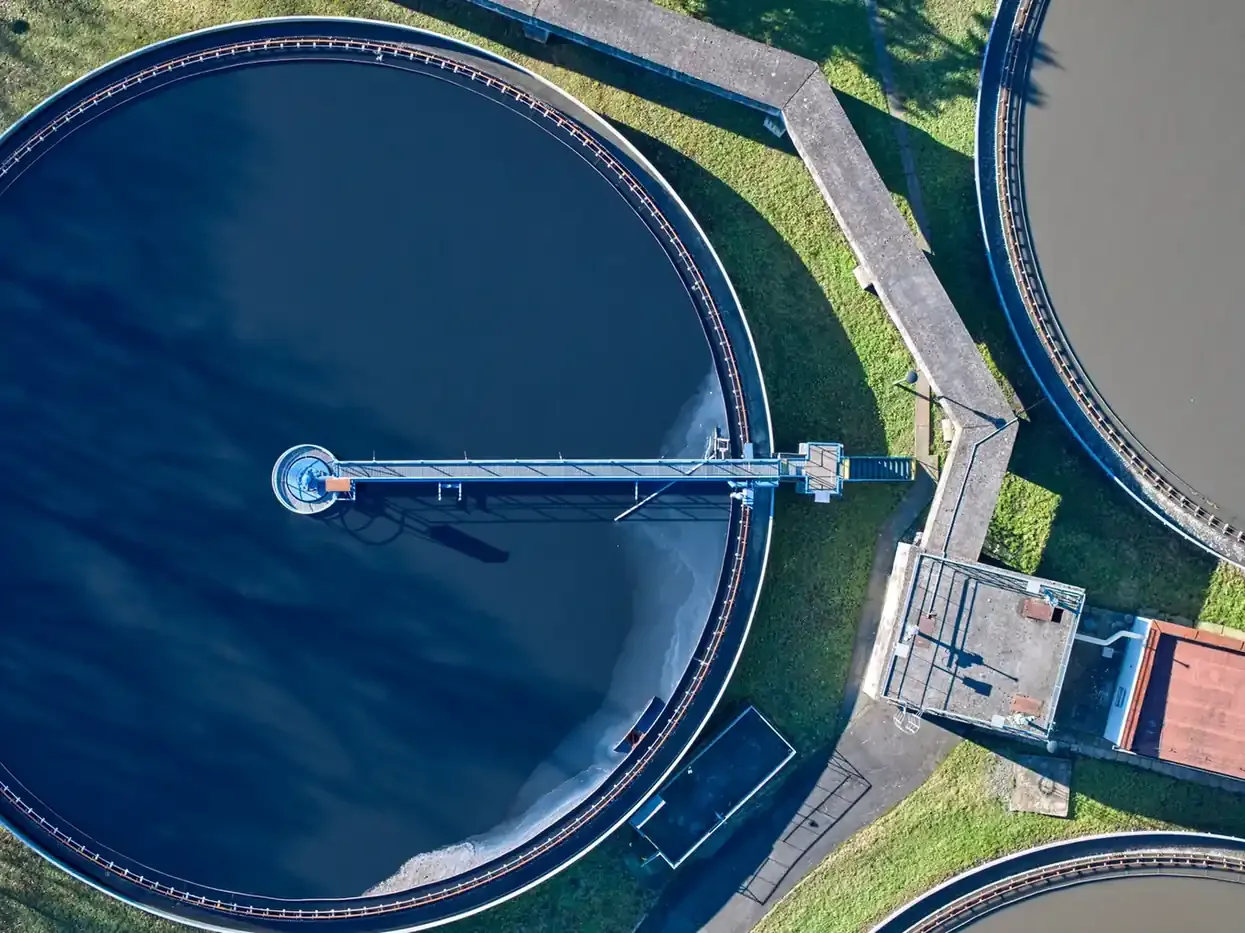
A wastewater settlement tank loses effective capacity when accumulated sludge occupies space that would otherwise be available for water separation. Although the tank’s physical dimensions remain unchanged, the volume available for settling can decrease as solids build up across the floor, around sludge collection points or in areas where withdrawal is ineffective.
This matters because settlement depends on more than the total size of a tank. Water must pass through at a suitable rate, allowing suspended particles to separate before the clarified liquid leaves the tank. Increasing sediment accumulation can change those conditions even when incoming flow remains relatively stable.
How settled sludge occupies treatment volume
Settlement tanks separate suspended solids from wastewater using gravity. In primary settlement, heavier material moves towards the bottom while comparatively clearer liquid continues to the next treatment stage. Final settlement tanks perform a related separation after biological treatment.
The basic arrangement is described in the government’s overview of sewage treatment works, which explains the collection and removal of settled material.
Sludge accumulation is normal, but persistent deposits create a different operating condition. Material that is not removed through the intended withdrawal arrangement occupies part of the tank’s internal volume.
Three volumes are worth distinguishing:
- Design volume: The physical capacity established by the tank’s dimensions and operating water level.
- Accumulated solids volume: The space occupied by settled sludge and deposits remaining within the structure.
- Available settling volume: The portion still available for liquid flow and solids separation.
The relationship is not always a simple subtraction. Settlement performance also depends on tank surface area, flow distribution, sludge collection and the characteristics of the incoming solids.
Why reduced volume can affect performance
Hydraulic residence time describes how long water remains within a treatment volume at a given flow rate. When available liquid volume decreases, nominal residence time also decreases if the flow remains unchanged.
For example, a tank that retains substantial deposits beneath the normal operating water level has less liquid space than its original dimensions suggest. Incoming wastewater may pass through the remaining space more quickly.
However, hydraulic residence time alone cannot establish whether a settlement tank is performing adequately. Surface overflow rate, inlet conditions, short-circuiting and the settling behaviour of particles also influence separation.
Localised deposits may be particularly troublesome. A tank might retain considerable overall liquid volume while accumulated material redirects flow or obstructs the movement of sludge towards collection points.
What sludge blanket depth reveals
Sludge blanket depth is a useful operational measurement because it indicates the level of settled solids at a particular location.
Repeated readings can help identify whether material is being removed consistently or whether a blanket is progressively increasing.
However, one measurement cannot establish the total quantity of sludge within a tank. Deposits can vary considerably across the floor, particularly where tank geometry, scraper performance or local flow conditions differ.
A meaningful assessment considers blanket measurements alongside tank dimensions, operating levels, withdrawal records and available observations of treatment performance. Where the distribution is uncertain, sludge sampling may help establish the nature of the accumulated material.
When removal is preferable to adjusting withdrawal
Not every increase in sludge depth requires a separate removal operation. Where routine withdrawal remains functional, reviewing withdrawal frequency, pump performance and sludge collection equipment may address the underlying problem.
The position changes when accumulated deposits cannot be recovered effectively through normal operating arrangements.
Long-standing material may become concentrated in corners, settle beyond the effective reach of collection equipment or obstruct withdrawal points. Simply increasing pumping may then remove relatively dilute sludge without substantially reducing the persistent deposit.
In these circumstances, targeted removal may be needed to restore usable space. The existing wastewater sludge removal service covers the relevant removal requirement.
The objective is not necessarily to leave the tank completely free of sludge. It is to restore the intended relationship between incoming flow, available settling space and reliable solids withdrawal.
After removal, monitoring the rate of further accumulation helps distinguish a historical build-up from an ongoing withdrawal or process problem. That distinction is important because removing deposits without addressing their cause may provide only temporary capacity recovery.