Food factory sludge changes between production runs because different ingredients, processing losses, washdown activities and cleaning chemicals alter the wastewater entering treatment equipment. These changes affect how much sludge is produced, what it contains and how easily it can be collected.
A plant processing fatty ingredients during one shift and predominantly water-based products during another may generate residues with very different characteristics, even if the total wastewater volume is similar.
Production changes alter the material entering wastewater treatment
Food manufacturing wastewater can contain fats, proteins, starches, sugars, fine product particles and cleaning residues. Their proportions depend on the product being manufactured and how the production line operates.
For example, a change from a low-fat product to one containing more oils or dairy ingredients can increase the proportion of fat-bearing material entering the wastewater system. A process involving cutting, peeling or washing ingredients may contribute more suspended particles.
Product changeovers can also release material retained within pipework, vessels or processing equipment. Consequently, wastewater loading may rise sharply over a short period rather than remain constant throughout production.
The Environment Agency’s food and drink sector guidance identifies suspended solids associated with cleaning and effluent treatment among the relevant water pollutants from food manufacturing.
Why production washdown changes sludge consistency
Washdown does more than increase the volume of wastewater. It can change the concentration and behaviour of material already present.
Large volumes of rinse water may temporarily produce a dilute stream, while the initial washdown of heavily soiled equipment can release concentrated deposits containing fats, proteins and product residues.
Cleaning chemicals introduce another variable. Depending on the substances used, they may change pH or influence whether fats and particles remain dispersed, combine or separate during treatment.
Temperature is also relevant. Some fatty residues flow more readily when warm but become thicker or more adhesive as the mixture cools.
These effects help explain why sludge collected after a particular cleaning cycle may be more liquid, more cohesive or more difficult to separate than material produced during normal running.
DAF sludge is not the same as washdown liquid
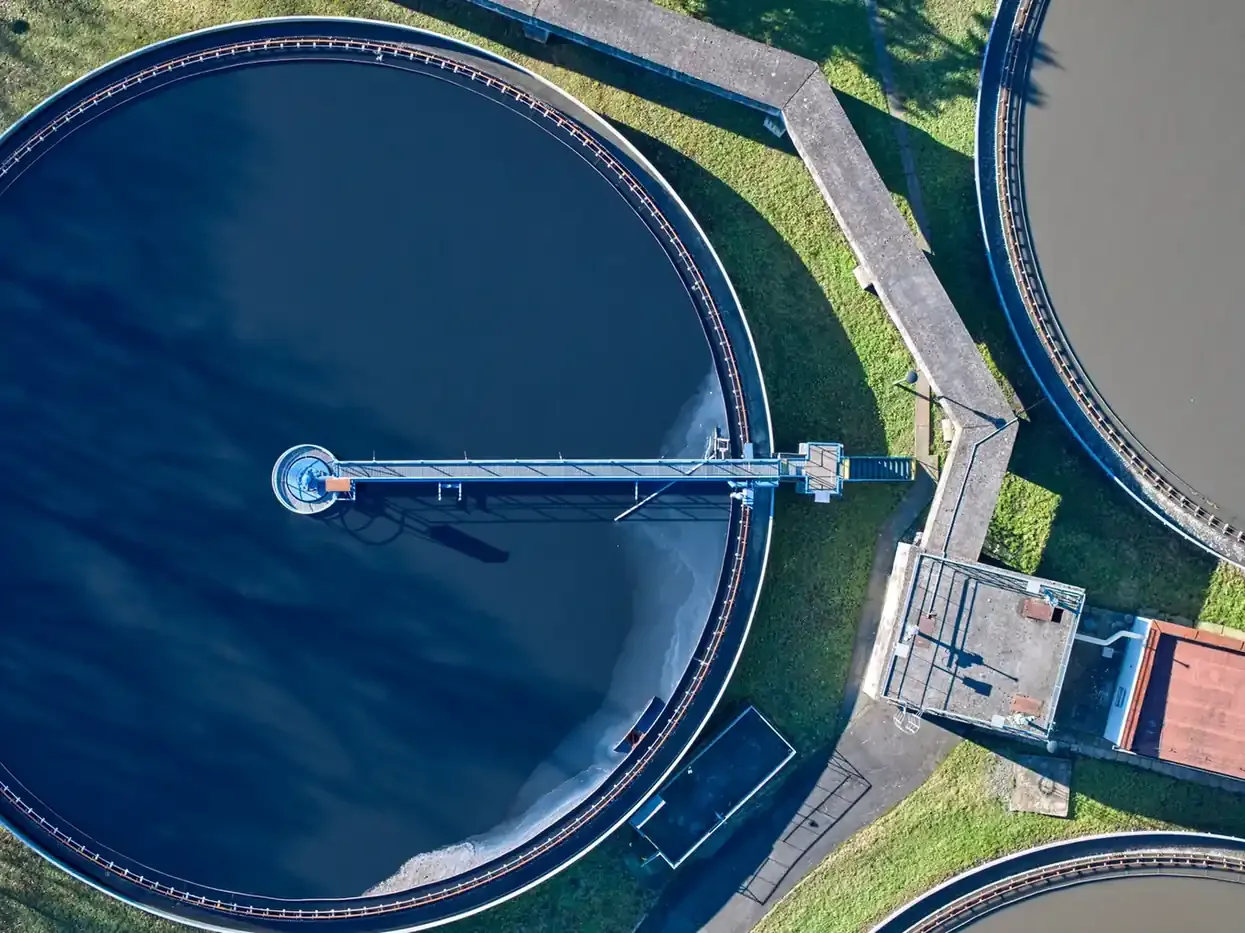
Some food factories use dissolved air flotation, commonly called DAF, to separate suspended and floating material from wastewater.
In a DAF system, fine air bubbles attach to suitable particles and droplets, carrying them towards the surface for removal. The separated material becomes DAF sludge, which may contain fats, proteins, suspended solids and water.
This is different from untreated production washdown liquid. The washdown stream is an incoming mixture, while DAF sludge is a concentrated residue produced by a separation stage.
Changes in incoming wastewater can alter the volume and consistency of that residue. Treatment chemical dosing and operating conditions may also influence its characteristics.
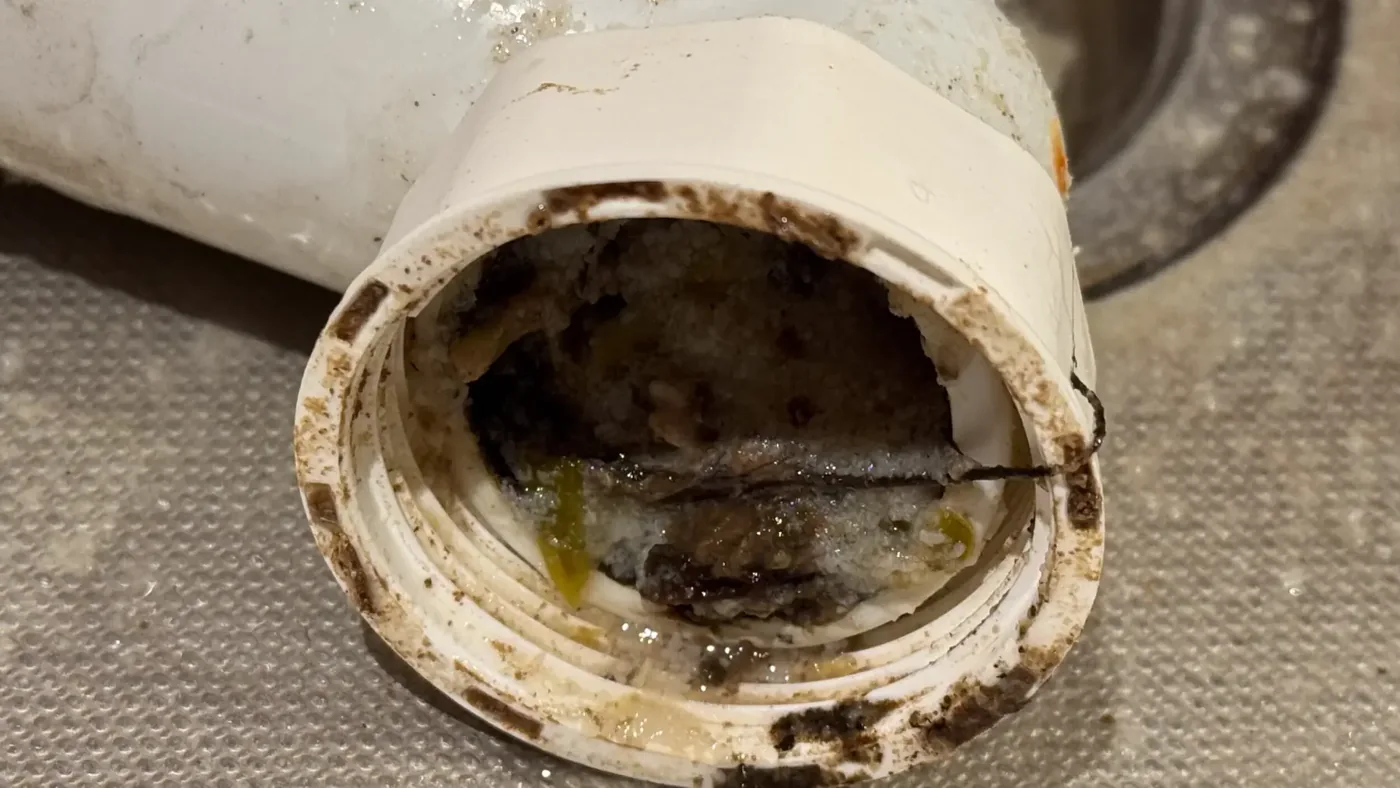
Storage conditions matter after separation. A sludge that appears reasonably uniform when fresh may settle, thicken or separate into layers while awaiting collection.
When should waste collection arrangements be reassessed?
Manufacturers should review handling arrangements when production changes affect either the quantity or physical properties of their waste. Particular indicators include:
- A sustained increase in DAF sludge volume following a new product or ingredient.
- Sludge becoming noticeably thicker or less mobile during storage.
- Unexpected layers of free liquid, floating fat or settled solids.
- Collection intervals becoming unsuitable following changes to production hours.
- Different waste streams being combined despite having different handling characteristics.
These observations can inform the choice of storage and extraction arrangements for food processing sludge removal.
Keep the liquid discharge route separate from sludge collection
Separated sludge and liquid effluent are not interchangeable waste streams. A factory may collect sludge for off-site management while treating or discharging liquid through an entirely different route.
In England, government pollution prevention guidance distinguishes contaminated process water from clean surface water and explains the need for appropriate permission when using foul drainage.
The remaining liquid’s destination therefore needs consideration independently of the sludge collection method.
For practical planning, production schedules, changeover patterns and recent sludge observations are more informative together than any single measurement taken during a quiet operating period.