
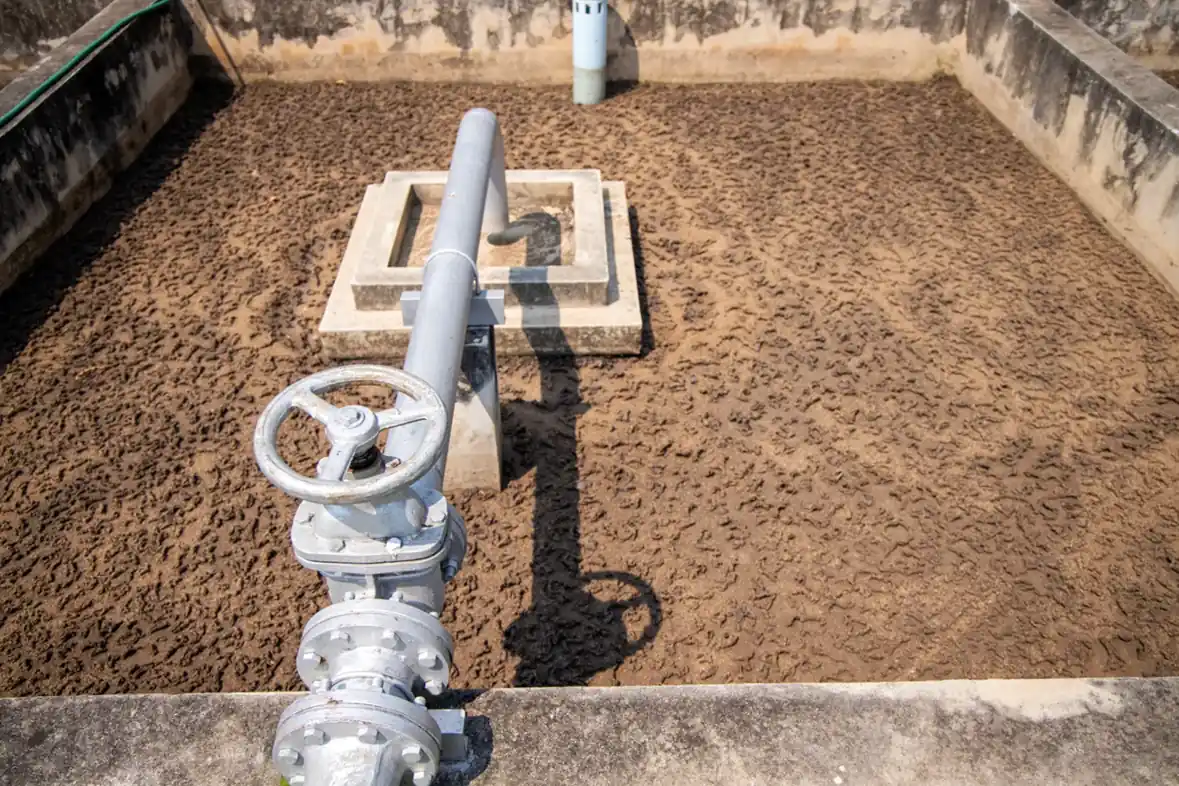
Industrial sludge removal
Sludge Removal for Facilities Management
Facilities teams often inherit drainage assets with patchy records. We can help with planned interceptor emptying, commercial grease trap emptying and package treatment plant desludging across multi-site estates, keeping waste paperwork together for compliance files.
What facilities management sludge removal covers
Facilities management sludge removal is usually easier to manage as a planned programme than as a reaction to a blockage or full asset. Retail parks, depots, hospitals, schools and office estates can have a mix of drainage assets that accumulate solids at different rates. Interceptors can collect grit and oily residues, grease traps accumulate fats and food solids, package treatment plants produce surplus sludge, and attenuation tanks or silt traps can lose usable capacity as sediment builds up.
Each of these behaves differently, and the interval between visits rarely matches across a site. A useful starting point is an asset register that records what is present, where it is, its approximate capacity and when it was last emptied. From there, a schedule can be built around actual accumulation rather than a fixed annual date.
Building an asset register before scheduling visits
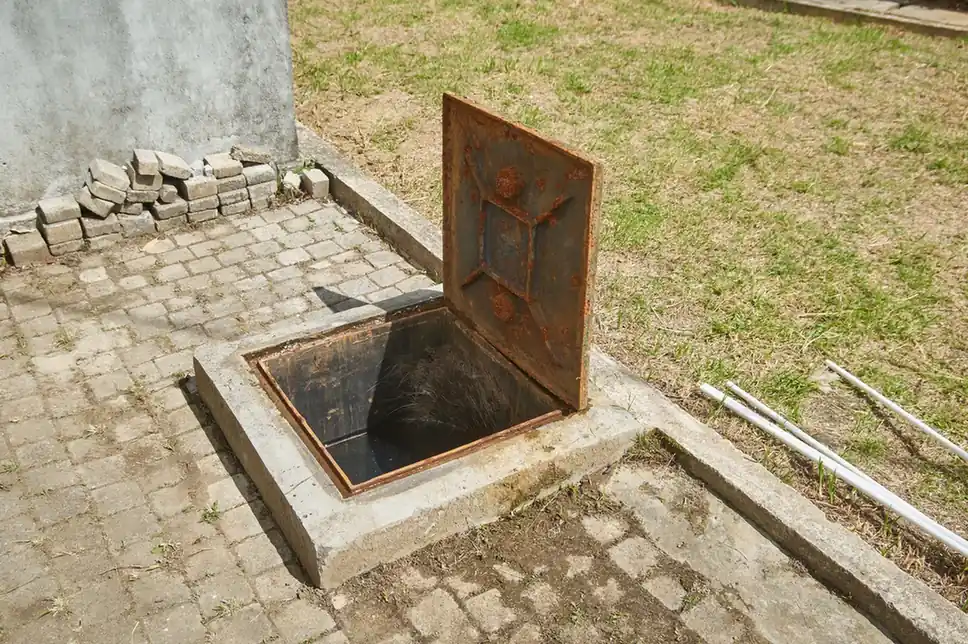
Many estates have drawings that no longer match the ground. Covers get tarmacked over, chambers are added during refits, and a tank noted as a silt trap may turn out to be something else. Walking the site and confirming each asset is worth the time before any programme is agreed.
For each asset, the register should capture:
- Location and access arrangement, including whether a tanker can reach the cover safely
- Approximate capacity and depth to the settled layer
- What the asset receives, such as surface water, kitchen waste or trade effluent
- Date of last emptying and the volume removed
- Any known structural issues, such as damaged covers or cracked chambers
Access is often a limiting factor. Vehicle position, cover access, hose route and site traffic should be checked before a visit is arranged so the proposed removal method is workable.
Interceptors, grease traps and package plants
Interceptors are designed to separate and retain material before it passes downstream. As silt, sludge or hydrocarbons accumulate, available capacity and performance can be reduced. We can help with interceptor emptying on a planned basis, with service records used to review how quickly material is building up.
Grease traps need a different approach. Fats and food solids build up at different rates, and waiting for odour or slow drainage can leave the trap overdue for attention. We can help with commercial grease trap emptying, with frequency based on the asset, loading and service history.
Package treatment plants rely on a biological treatment process, so desludging should follow the plant’s operating and maintenance requirements. We can help with package treatment plant desludging, with the operator or maintenance provider involved where the removal volume or process condition needs to be confirmed.
Attenuation tanks and silt traps
Attenuation tanks are designed to hold storm water temporarily, so sediment build-up reduces the volume available during a storm event. Silt traps protect downstream assets by capturing grit before it travels further. Both tend to be neglected because they are out of sight and rarely cause an immediate problem.
When sediment is removed, the question of where it goes depends on what it contains. Grit from a car park catchment is not the same as sediment from a yard where vehicles are washed or fuel is handled. Classification should follow the actual material, not the name of the asset. A description such as ‘interceptor sludge’ does not by itself establish whether waste is hazardous. That requires assessment against the technical guidance, and where there is doubt, sampling.
Waste paperwork for compliance files
Facilities teams are usually asked to demonstrate that waste has been managed properly. Under the duty of care, anyone who produces, carries, keeps, treats or disposes of controlled waste must take reasonable steps to ensure it is handled correctly. The duty of care code of practice applies in England and Wales, and Scotland and Northern Ireland have their own codes.
Documents that typically go on file include waste transfer notes for non-hazardous waste, consignment notes where hazardous waste is involved, and service reports describing what was removed from which asset. These records support traceability. They do not, on their own, prove that a waste is correctly classified or that the whole chain is compliant. Classification depends on the material and the assessment behind it.
For multi-site estates, keeping documents aligned to the asset register makes audits easier. A report that names the asset, the date, the volume and the destination is more useful than a generic collection note.
Planning visits across a multi-site estate
Grouping assets into rounds can reduce separate visits where the sites and access windows allow it. Hospitals, schools, retail parks and depots may each have restricted working periods, deliveries or other activity that needs to be considered when the schedule is built.
A practical schedule usually combines:
- An initial survey or records review to confirm assets and access
- A first round to establish actual volumes removed
- Review of intervals based on those volumes
- Adjustment for seasonal effects, such as grit entering interceptors over winter
Volumes matter for planning. A tanker has a finite capacity, and if a site generates more than expected, a return visit may be needed. Recording what was actually removed on the first round gives a better basis for the second.
Safety and confined space considerations
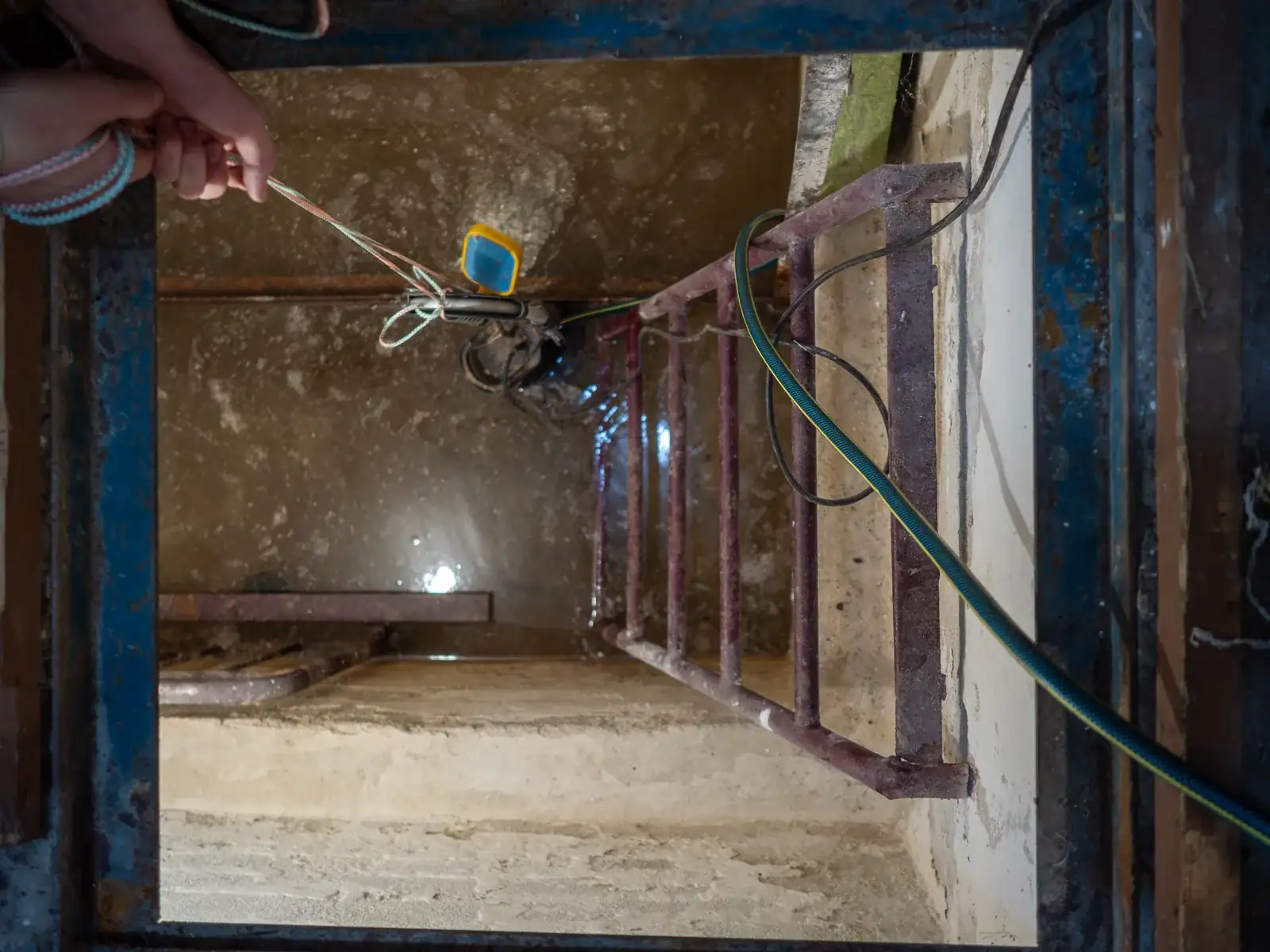
Some sludge removal work involves entry into chambers or tanks. Work in confined spaces is subject to the Confined Spaces Regulations 1997, which require avoidance of entry where possible, a safe system of work where entry is unavoidable, and adequate emergency arrangements. This is competent specialist work. It is not something to be attempted by general maintenance staff, and it is not appropriate to set out entry procedures here.
Where entry can be avoided, for example by drawing material from outside the chamber, that is generally preferred. Where it cannot, the work needs to be planned by people with the relevant competence and equipment.
Cost drivers and what to confirm
Cost for facilities management sludge removal depends on several things: the number and type of assets, the volume of material, how accessible each asset is, whether the waste is hazardous, and the distance to a suitable receiving site. There is no meaningful range that applies across estates, because a single interceptor on a small site and a package plant serving a hospital are not comparable.
A real quote needs the asset list, approximate volumes, access details and any known analysis. Where classification is uncertain, sampling before pricing avoids surprises later. For guidance on the wider picture, see sludge disposal and sludge waste classification.
Free online tool
Sludge EWC Code Checker
Look up sludge sources, possible contaminants and waste-code candidates.
Common questions
Frequently asked questions
How often should interceptors and grease traps be emptied?
There is no single interval that suits every site. It depends on what the asset receives, its capacity and how quickly solids accumulate. Recording the volume removed at each visit shows whether the interval is too long or too short, and it can be adjusted from there.
Can you work outside normal hours on a multi-site estate?
Access windows vary by site. Hospitals, schools and retail parks often need work outside operating hours, and depots may need visits when loading activity is quiet. The schedule is usually built around the access each site can offer.
What paperwork should facilities teams keep?
Waste transfer notes for non-hazardous waste, consignment notes where hazardous waste is involved, and service reports naming the asset, date and volume removed. These support traceability, but they do not by themselves prove that a waste is correctly classified.
Is interceptor sludge always hazardous?
No. A description such as interceptor sludge does not establish a hazardous classification on its own. The assessment depends on what the material actually contains, and where there is doubt, sampling and classification against the technical guidance is the sensible route.
Do package treatment plants need specialist desludging?
They need care rather than a standard empty-out. Removing too much biomass affects the treatment process, so volumes should be agreed with whoever operates or maintains the plant. It is not the same job as emptying a sealed tank.
Request a quote
Complete the form and we will get back to you.