
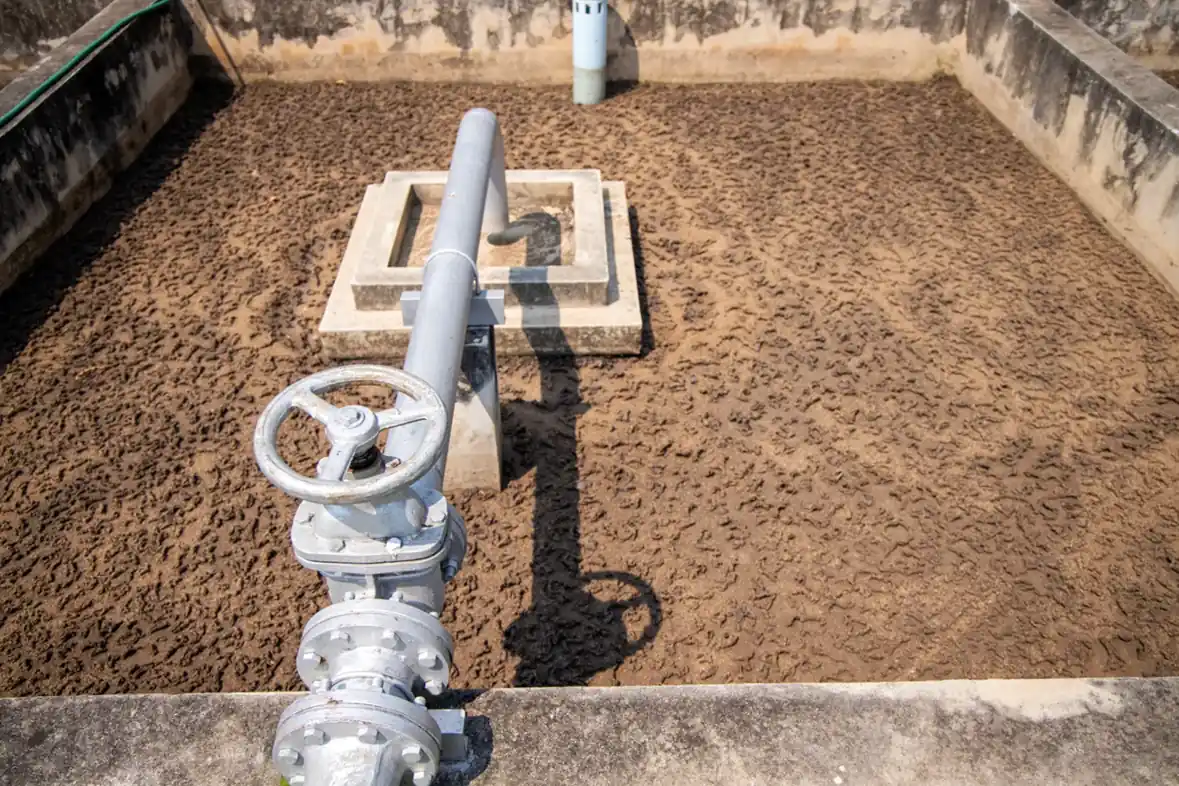
Industrial sludge removal
Industrial Sludge Disposal
Industrial sludge is rarely uniform. A metal finishing line, a paper mill and a power station each produce material with different chemistry, water content and handling needs. We can help with planned removal, classification and disposal routes for manufacturing sites.
What Counts as Industrial Sludge
Industrial sludge is the settled or separated solid material left behind by a manufacturing or treatment process. It is not one substance. The same plant can produce several sludges with different chemistry, water content and handling requirements, and they may not share a waste code.
Typical sources include chemical reaction and neutralisation, metal finishing and surface treatment, automotive paint booths, paper and board making, textile dyeing, power generation and incineration, and general industrial effluent treatment. Each process tends to sit in a particular chapter of the List of Waste used for UK waste classification.
Getting the description right matters because it drives the classification, the paperwork and the disposal route. A name alone does not tell you whether material is hazardous. That depends on its composition, the process that produced it and the concentrations involved.
Mapping Processes to List of Waste Chapters
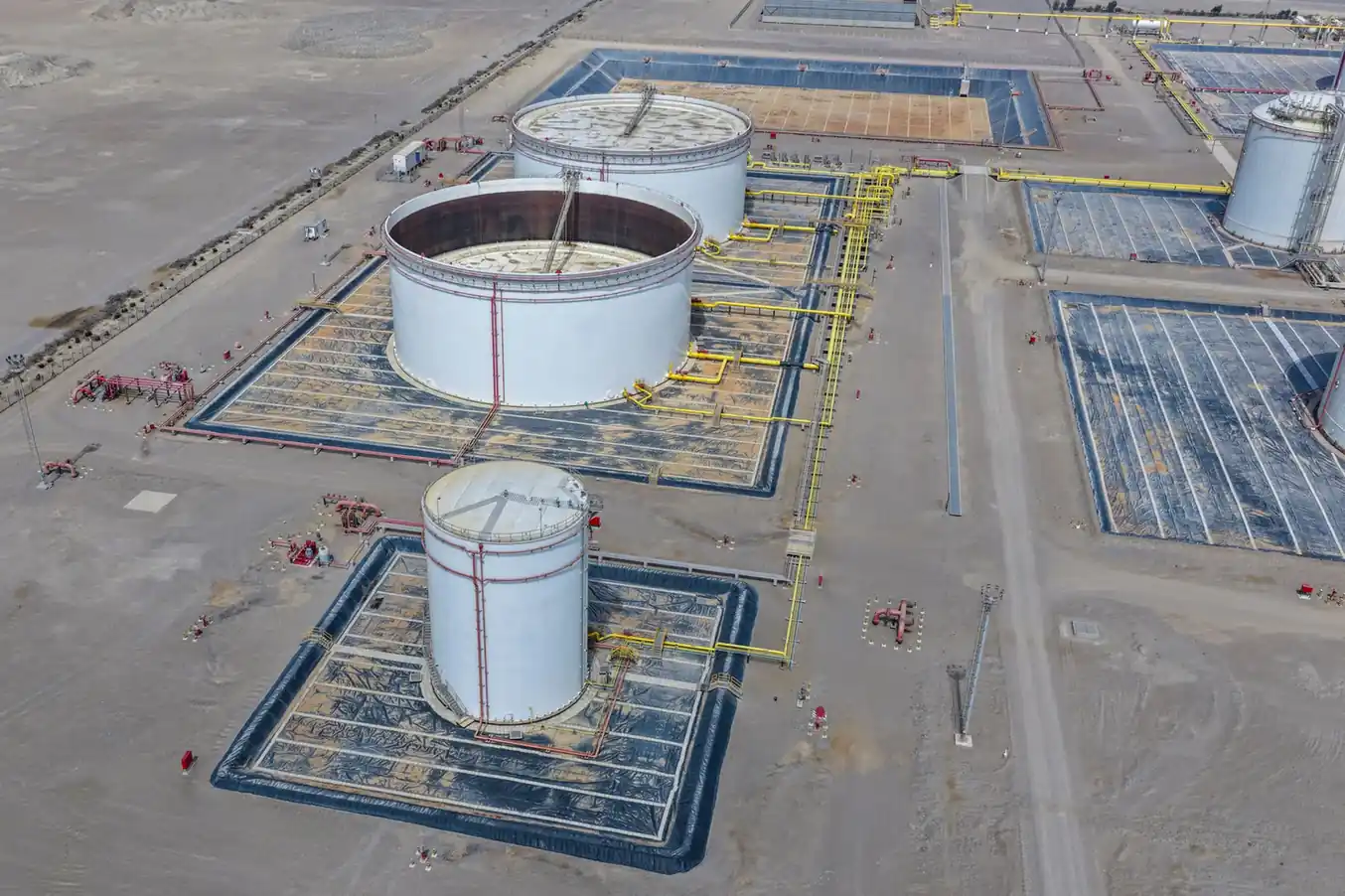
The List of Waste groups waste by source and process. For manufacturing sites, a few chapters come up repeatedly:
- Chapter 03: wastes from wood processing and paper, board and furniture production
- Chapter 04: wastes from leather, fur and textile industries
- Chapter 06: wastes from inorganic chemical processes
- Chapter 07: wastes from organic chemical processes
- Chapter 08: wastes from coatings, adhesives, sealants and printing inks
- Chapter 10: wastes from thermal processes, including power stations and incineration
- Chapter 11: wastes from chemical surface treatment and metal coating
- Chapter 12: wastes from shaping and physical and mechanical surface treatment of metals and plastics
Mirror entries appear in several chapters. A mirror entry is a pair of codes where one is hazardous and the other is not, and the correct one depends on whether the material contains dangerous substances above the relevant thresholds. The code cannot be chosen from the process name alone.
Our sludge EWC code checker can suggest candidate codes and possible contaminants based on what you describe. It gives a starting point for discussion, not a classification decision. A tool is not a regulatory certification, and the final classification rests on the composition of the actual material.
Classification and Sampling
Classification follows the technical guidance published by the Environment Agency, known as WM3. It assesses the hazardous properties of the waste using the chemical composition and the relevant thresholds. This is a technical exercise, and it needs someone competent in hazardous waste assessment.
Sampling supports that assessment. A representative sample taken from the right point in the process, handled and stored correctly, gives the laboratory something meaningful to analyse. A sample taken from a stagnant corner or after the material has separated may not represent what is actually being removed.
Where metals, solvents, oils or other contaminants are known or suspected, the analysis should be selected around those substances and the process that produced the sludge. Our sludge contaminants page covers the common groups and where they come from.
Waste documentation supports traceability. It does not, on its own, prove legal compliance, and it does not replace a proper classification.
Dewatering Before Disposal
Much industrial sludge arrives as a thin slurry. Water is often the largest part of the volume, and moving water around is expensive. Dewatering reduces the volume that has to be transported and can change how the material behaves in a tanker or skip.
The method depends on the sludge. Gravity thickening suits some settled sludges. Mechanical dewatering, using a filter press, centrifuge or belt press, suits others. Polymer dosing can improve separation, but the wrong dose can make the material harder to handle rather than easier.
Dewatering does not make waste non-hazardous. It changes the physical form and reduces volume, but the hazardous properties of the solids remain unless the material is treated in a way that genuinely changes them. Our sludge dewatering page explains the options in more detail.
Removal During Shutdowns and Outages
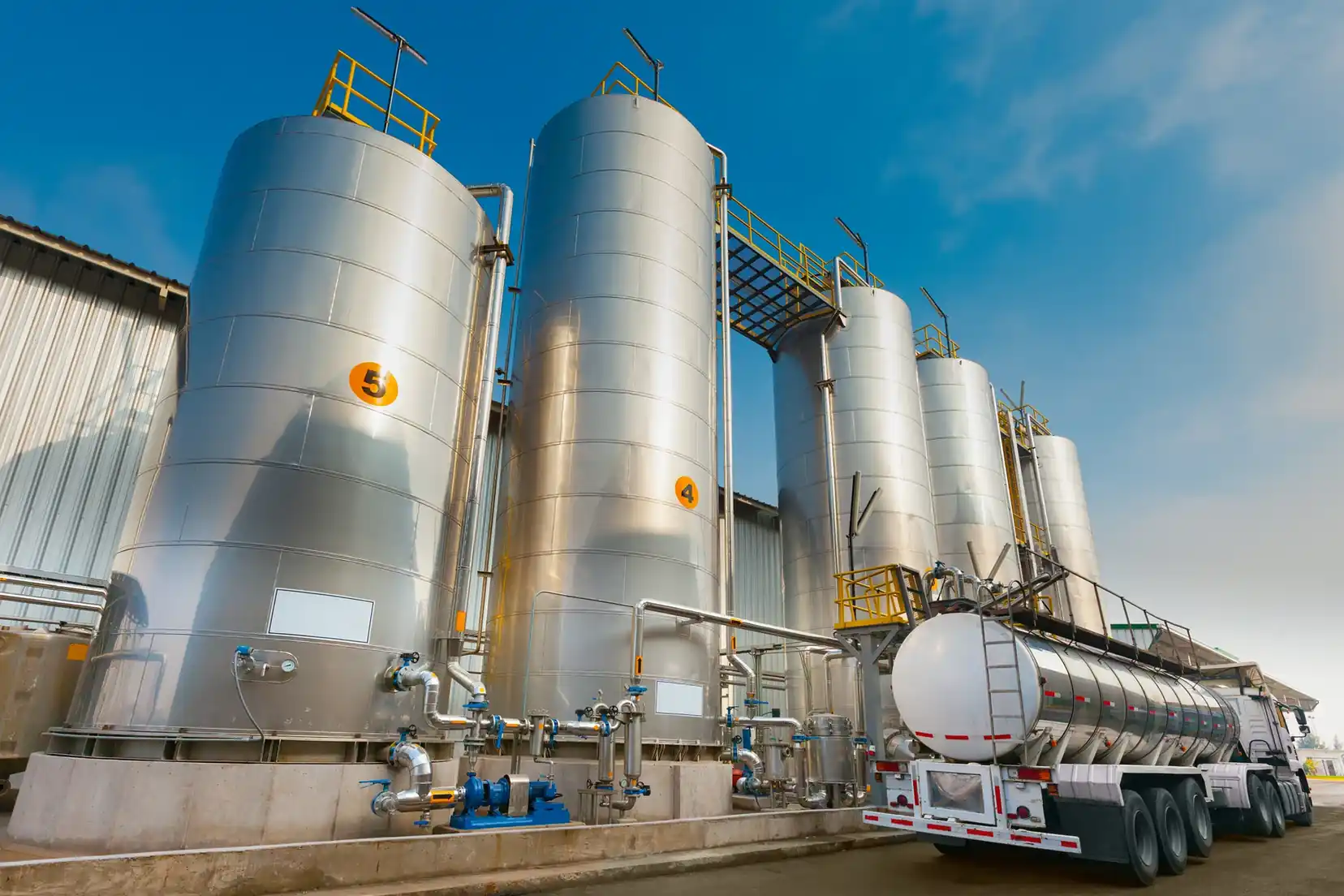
Many industrial sludges accumulate in tanks, pits, lagoons and settlement areas that cannot be opened up while the plant is running. That pushes the work into planned shutdowns, outages and maintenance windows, where time is tight and access is often restricted.
Planning ahead helps. Knowing the approximate volume, the settled depth, the access route and the likely classification before the window opens reduces the chance of delays on the day. Where the material is unknown, sampling in advance gives the laboratory time to report.
Confined space work is a common feature of tank and pit cleaning. The Confined Spaces Regulations 1997 require employers to avoid entry where possible, and where entry is unavoidable to follow a safe system of work with emergency arrangements in place. This is competent specialist work, not a task for general labour. The HSE guidance on confined spaces legislation sets out the framework.
We can help with planned desludging and maintenance projects, including work that has to fit a fixed outage schedule.
Disposal, Recovery and Treatment Routes
Once the material is classified and its volume is known, the disposal route can be considered. Options vary by sludge type and by what the receiving facility is permitted to accept.
Some industrial sludges go to landfill, though the range of acceptable material has narrowed over time. Others go to incineration, to specialist treatment, or to recovery where the material has a usable content. Some metal-bearing sludges may be suitable for recovery, depending on their composition and what an authorised receiving facility can accept.
Liquid and semi-liquid sludges often need a different route from dry solids. Our liquid waste disposal page covers the handling of pumpable material, and hazardous sludge disposal covers the extra requirements where the material is classified as hazardous.
Cost depends on volume, water content, classification, the receiving facility and the distance involved. A real quote is needed, and it should be based on the actual material rather than an assumed type.
Duty of Care and Nation Differences
Anyone who produces, carries, keeps, treats or disposes of controlled waste has a duty of care. In England and Wales this is set out in the Environmental Protection Act 1990 and explained in the waste duty of care code of practice. Failure to comply is an offence, and the code can be used as evidence in proceedings.
The rules are not identical across the UK. Scotland and Northern Ireland have their own codes of practice and their own regulators. Hazardous waste requirements also differ, and the guidance on disposing of hazardous waste sets out the England position while pointing to the separate arrangements for Wales, Scotland and Northern Ireland.
If your site operates across borders, the paperwork and the receiving route need to match the nation where the waste is produced and handled. It is worth confirming this before a collection is arranged rather than after.
Planning a Disposal Contract
A planned contract works better than a reactive one for most manufacturing sites. It gives time to sample, classify and agree a route, and it avoids the pressure of a tank that has to be emptied before the next production run.
Useful things to establish early include the process that produces the sludge, the approximate volume and water content, the access arrangements, whether the work falls in a shutdown, and whether the material is likely to be hazardous. From there, the classification and the disposal route can be worked out in the right order.
We can help arrange industrial sludge removal and disposal, including planned work during shutdowns and maintenance windows.
Free online tool
Sludge EWC Code Checker
Look up sludge sources, possible contaminants and waste-code candidates.
Common questions
Frequently asked questions
Can I choose a waste code from the process name alone?
No. Several chapters contain mirror entries, where one code is hazardous and the other is not. The correct code depends on the composition of the material and whether dangerous substances are present above the relevant thresholds. A process name gives a starting point, not a classification.
Does dewatering make industrial sludge non-hazardous?
Dewatering reduces volume and changes the physical form, but it should not be treated as making hazardous waste non-hazardous. The remaining material still needs to be classified from its actual composition and hazardous properties.
How is the cost of industrial sludge disposal worked out?
Cost depends on volume, water content, classification, the receiving facility and the distance involved. A real quote is needed and it should be based on the actual material, since an assumed sludge type can lead to a figure that does not hold.
Are the rules the same across the UK?
No. England and Wales share a duty of care code of practice, while Scotland and Northern Ireland have their own codes and regulators. Hazardous waste requirements also differ. If a site operates across borders, the paperwork and receiving route need to match the nation where the waste is produced and handled.
Request a quote
Complete the form and we will get back to you.