
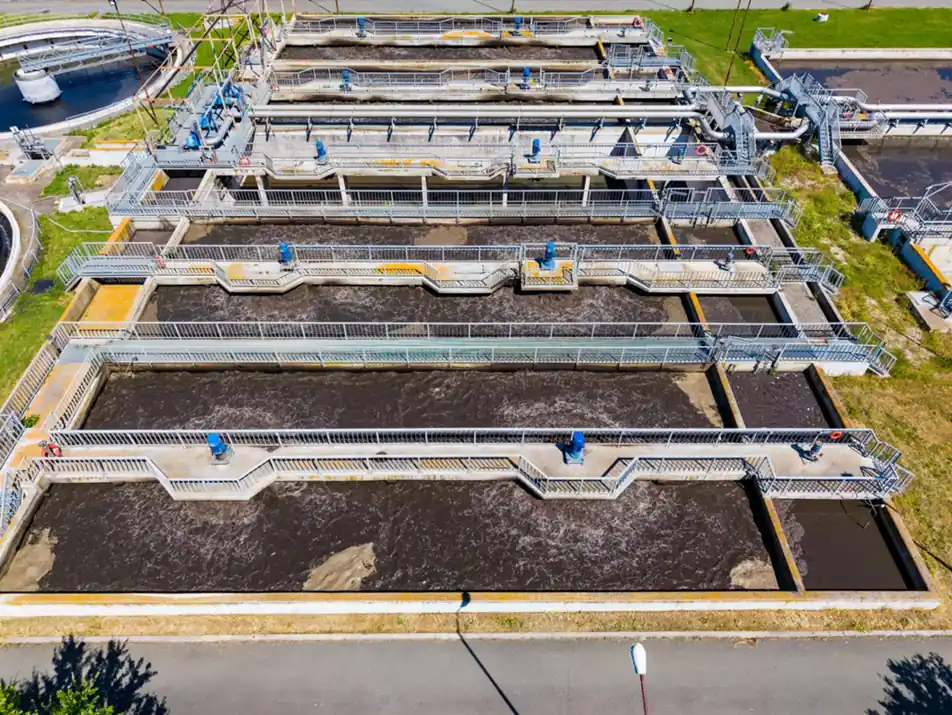
Industrial sludge removal
Wastewater Sludge Removal
Wastewater sludge accumulates wherever water is treated, from primary settlement tanks and surplus activated sludge to clarifiers, digesters and lagoons. The material differs by process and site, and that difference shapes how it can be removed, sampled and classified.
What wastewater sludge is
Wastewater sludge is the semi-solid material left behind when suspended and dissolved matter is separated from water. At a sewage treatment works the main streams are primary sludge from settlement, surplus activated sludge (SAS) from biological treatment, and digested or dewatered sludge from further processing. At a water treatment works the sludges are different again, often dominated by coagulant precipitates such as alum or ferric hydroxide, plus filter backwash solids.
Those two families behave differently. Sewage sludges are organic and biologically active. Water treatment sludges can be more mineral in character, can hold water tenaciously, and can be more abrasive to pumps and pipework. A removal plan that suits one may not suit the other.
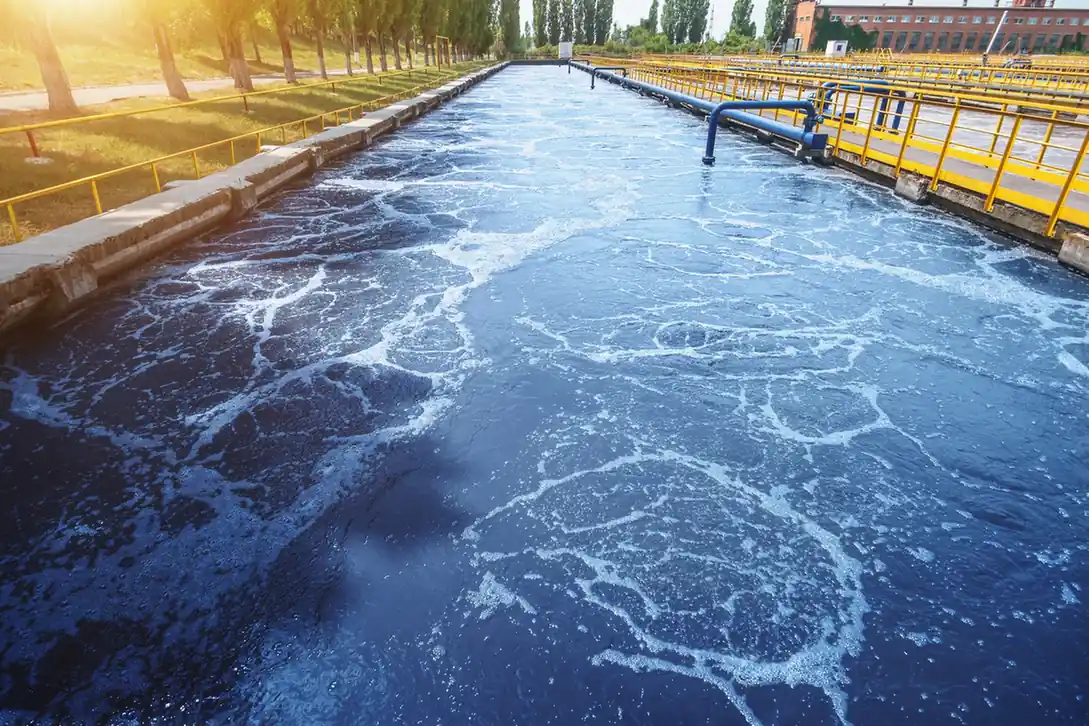
Water treatment sludges and sewage sludges
Water treatment sludge is usually described by the coagulant used. Alum sludge and ferric sludge are common, and both can be gelatinous and slow to thicken. Under the List of Waste, water treatment sludges are often recorded under 19 09 02 for sludges from coagulation and sedimentation, though the correct code depends on the actual process and the source water. Sewage sludges are commonly recorded under 19 08 05 for sludges from biological treatment of urban wastewater, again subject to the real process.
A name alone does not settle the correct waste code. The source process and composition determine which List of Waste entry applies. Some entries are hazardous or non-hazardous by definition, while mirror entries require an assessment of hazardous properties. Industrial inputs, trade effluent or unexpected contaminants may mean a different entry or further assessment is needed. Classification should follow the Environment Agency’s technical guidance.
Where sludge builds up and why it matters
Sludge does not only sit in the tanks designed to collect it. It accumulates in primary tanks, humus tanks, clarifiers, thickeners, digesters, holding tanks, sludge lagoons and transfer lines. When it builds up, usable volume falls and process performance can drift.
In activated sludge plants, the sludge volume index (SVI) is one of the measures that indicates how well the sludge settles. A rising SVI can point to bulking, which affects both settlement and the volume of surplus sludge that has to be managed. Our sludge volume index guide explains what the numbers mean for operators.
Removal is not just about emptying a tank. The settled layer, the liquid above it, access, ventilation and what happens downstream all affect the method. A tank can look full of water while much of its working volume is occupied by sludge.
Removal methods and site constraints
Wastewater sludge removal at a live works has to fit around treatment. Options include vacuum tanker collection, pumping to a tanker or transfer line, and mechanical removal where access allows. The choice depends on sludge consistency, distance from the tanker standing area, hose runs, head loss and whether the tank can be isolated.
Confined-space entry should be avoided where possible. If a task cannot be completed without entry, the Confined Spaces Regulations 1997 require a safe system of work and suitable emergency arrangements. Work inside digesters, wet wells or similar spaces should be assessed and carried out by competent specialists where the confined-space rules apply.
We can help with planned desludging, tank cleaning and sludge transfer projects, including work timed around outages and planned maintenance windows.
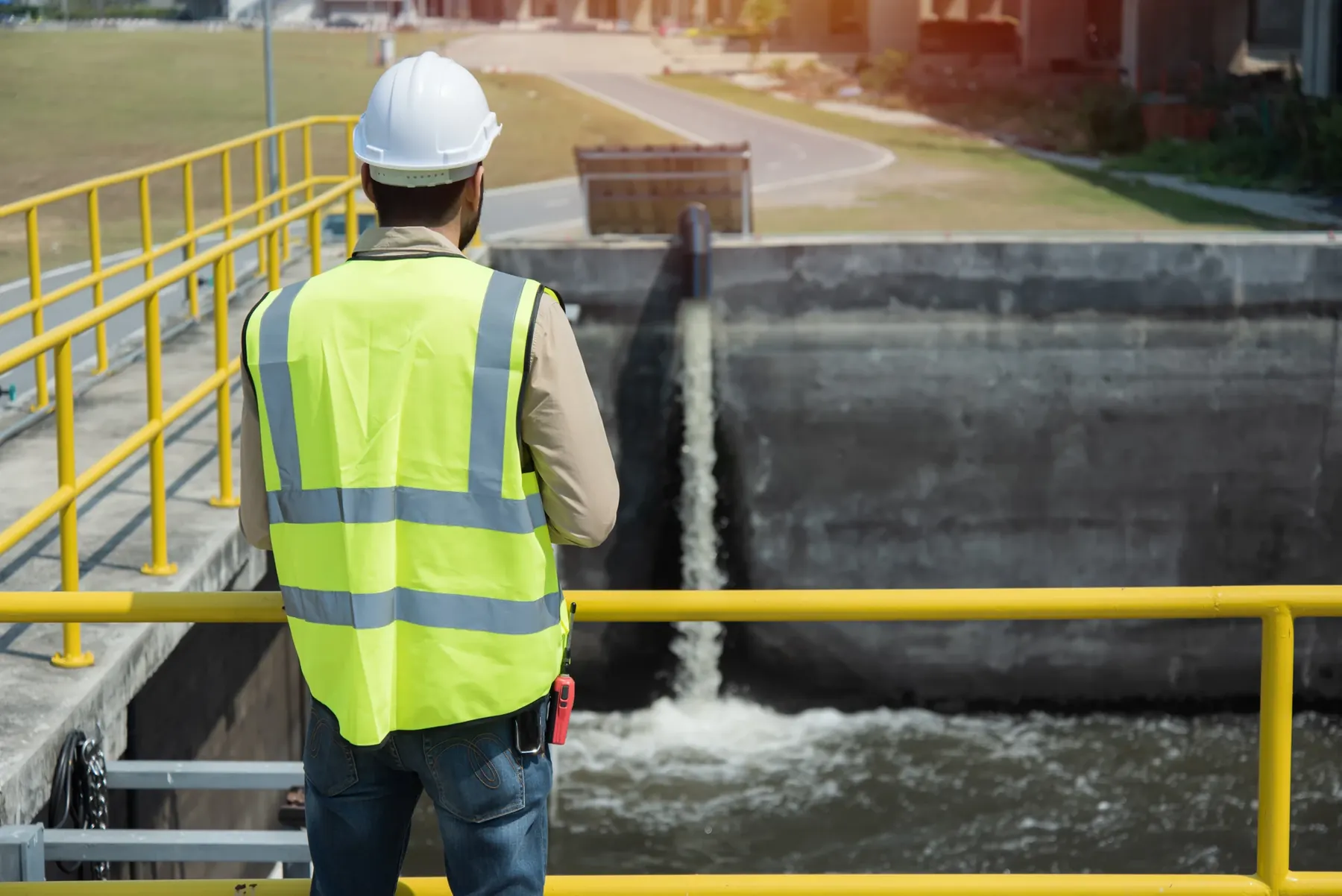
Sampling and classification before disposal
Where sludge is waste, the duty of care applies to those who produce, carry, keep, treat or dispose of it. In England and Wales the duty of care code of practice sets out the practical requirements, including checking that waste is transferred to an authorised person and keeping the required records.
Sampling supports that process. A representative sample, taken from the right depth and at the right time, gives a more reliable basis for classification than a single grab from the top of a tank. Parameters often considered include pH, dry solids, loss on ignition, metals and, where relevant, hydrocarbons or other contaminants.
Waste classification should follow the Environment Agency’s technical guidance. Hazardous waste has extra requirements for producers, carriers and consignees, and those requirements differ across the UK. Waste documentation supports traceability, but it does not by itself prove legal compliance.
Outages, transfers and planned maintenance
Sludge removal may be needed during a shutdown, tank inspection or process upgrade. Timing matters because the works must continue to comply with the discharge, permit and operating conditions that apply during the work. Temporary storage, tanker movements and the route to the receiving site should be agreed before the first load leaves.
Sludge may be transferred between works where the receiving site is authorised and able to accept it. The receiving site needs enough information about the sludge type, dry solids, likely contaminants and waste classification to confirm that the material can be accepted and handled appropriately.
Where sludge is intended for land, the receiving site and the proposed use affect what testing and documentation are needed. Our sludge to land page covers that route in more detail.
Alum sludge disposal
Alum sludge from water treatment can be difficult to dewater because the aluminium hydroxide holds water within its structure. Thickening and conditioning may be needed before dewatering, and the resulting cake or liquid still has to be classified and sent to a suitable outlet. Alum sludge disposal therefore depends on the volume, the dry solids achievable and the contaminants present.
Disposal routes vary. Some material goes to landfill, some to land restoration, and some to other permitted outlets. Each route has its own acceptance criteria, and those criteria should be checked before material is moved. Our sludge disposal page sets out the main options.
What to prepare before work starts
Good preparation reduces delays on site. Useful information includes a process description, tank or lagoon dimensions, an estimate of sludge depth and volume, access and hose routes, isolation arrangements, and any known contaminants. Sampling results and the proposed disposal route help too.
- Sludge type and source process
- Estimated volume and dry solids
- Access, standing area and hose distance
- Isolation and permit requirements
- Sampling results and classification
- Proposed receiving site or outlet
We can help with wastewater sludge removal, water treatment sludge, sludge transfers and alum sludge disposal projects. Where a survey or sampling programme is needed first, that can be arranged as part of the planning.
Free online tool
Sludge EWC Code Checker
Look up sludge sources, possible contaminants and waste-code candidates.
Common questions
Frequently asked questions
Is wastewater sludge always non-hazardous?
No. The correct position depends first on the applicable List of Waste entry. Some entries are hazardous or non-hazardous by definition, while mirror entries require assessment. Industrial inputs, trade effluent or contaminants may affect which code applies or what further assessment is needed. Classification should follow the Environment Agency's technical guidance, using representative information or sampling where necessary.
What is the difference between alum sludge and sewage sludge?
Alum sludge comes from water treatment, where aluminium sulphate or another coagulant has been used. It is often mineral-rich and holds water tightly. Sewage sludge comes from wastewater treatment and is largely organic and biologically active. The two behave differently during thickening, dewatering and removal, and they are usually classified under different List of Waste codes.
Can sludge be removed while the treatment works is still running?
Often yes, but it depends on the tank, the isolation arrangements and the process. Some tanks can be taken out of service while others continue. In other cases the work has to be timed around an outage. The works still has to comply with the applicable permit, consent and operating conditions, so the plan needs to account for that.
What sampling is needed before sludge is removed?
The sampling depends on the sludge type and the intended disposal route. Common parameters include pH, dry solids, loss on ignition and metals, with additional testing where contaminants are suspected. A representative sample is more useful than a single surface grab. The results support classification and help the receiving site decide whether it can accept the material.
Does dewatering make sludge non-hazardous?
No. Dewatering reduces the water content and the volume, but it does not change the hazardous properties of the material. Classification is based on the substances present and their properties, not on how wet or dry the sludge is. A dewatered cake still needs to be classified before disposal.
Request a quote
Complete the form and we will get back to you.