
Industrial sludge removal
Paint Sludge Disposal
Paint sludge is the solids and semi-solid material left when overspray is captured in a water curtain, booth sump or washer. It behaves differently from liquid paint waste, and the way it is classified, consolidated and removed depends on the paints in use, the detackifier chemistry and how much water is carried with it. We can help with paint sludge disposal projects.
What paint sludge is and where it comes from
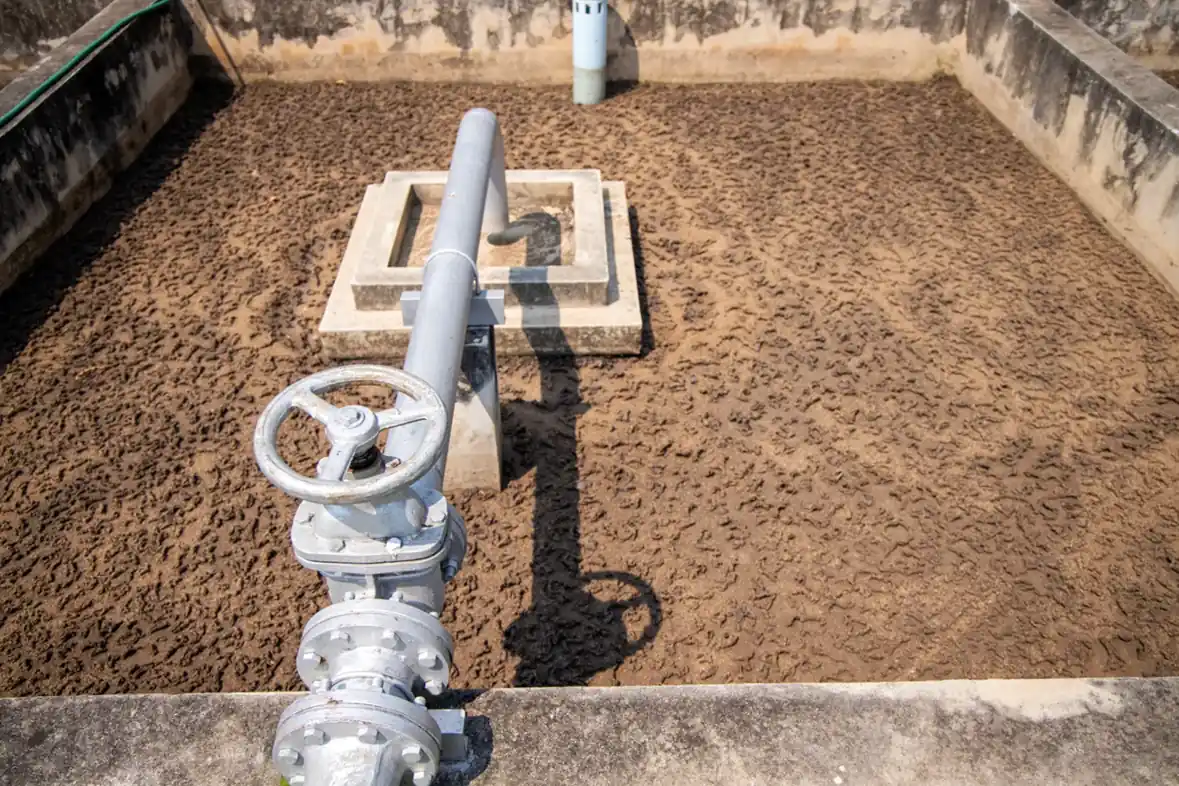
Paint sludge forms when overspray is knocked out of the air by a water curtain, a booth sump, a scrubber or a washer. The paint particles are captured in water, then a detackifier is usually dosed to stop the sticky resin coating pumps, pipework and the booth itself. What settles or floats is not simply wet paint. It is a mixture of pigment, resin, filler, solvent residues, detackifier, water treatment chemicals and whatever else the process adds.
Sludge also arises from paint line effluent treatment, where wash water from gun cleaning, colour change and line flushing is treated before discharge or recirculation. The solids that come out of that treatment can be very different from booth sludge, even on the same site.
Two practical points matter early. First, the sludge is rarely uniform: a booth sump can hold a dense settled layer under a floating mat, with clearer water between. Second, the water content is often high, and that affects both the volume to be moved and how the material behaves in a tanker or container.
How paint sludge is classified
Classification is decided by the substances in the waste, not by the name of the process. The mirror entries in the List of Waste are a useful starting point but they are not a decision on their own:
- 08 01 13* and 08 01 14 cover sludges from paint or varnish, with the hazardous entry applying where organic solvents or other hazardous substances are present.
- 08 01 15* and 08 01 16 cover aqueous sludges containing paint or varnish, again split according to whether organic solvents or other hazardous substances are present.
The correct mirror entry depends on the substances present and whether the waste displays hazardous properties. Solvents, pigments, additives, biocides and other process chemicals can all be relevant. Water-based paint sludge should not be assumed to be non-hazardous from that description alone.
Safety data sheets for the paints and process chemicals are useful inputs to the assessment, alongside knowledge of the process and analysis where needed. Where several products share a booth, the resulting mixture needs to be considered as a whole. A name alone does not give a definite hazardous classification. The sludge waste classification page explains how the assessment is built up, and sludge EWC codes covers the coding side in more detail.
Detackifier chemistry and why it changes the waste
Detackifiers are added to stop overspray sticking to booth surfaces. They work in different ways. Some neutralise the tackiness of the resin; others coagulate or flocculate the paint particles so they can be separated; some rely on pH adjustment or on charged polymers. The choice affects the sludge in ways that matter for disposal:
- The sludge may be more watery or more paste-like depending on how the detackifier flocculates.
- Some programmes produce a floating mat, others a settled layer, and some produce both.
- Residual detackifier and pH control chemicals add to the substance mix that classification has to consider.
- Certain detackifiers can make the sludge harder to dewater, which increases the volume to be moved.
If the booth has recently changed detackifier, or if dosing has drifted, the sludge characteristics may have changed too. That is worth recording, because it can explain a change in how the material pumps, settles or drains.
How to dispose of paint sludge
The route depends on the classification, the physical form and the site. In practice, most paint sludge disposal follows one of a few patterns:
- Consolidation and collection. Sludge is gathered into suitable compatible containers and removed to an authorised facility. The container and handling method need to suit the material and any hazards identified by the assessment.
- Dewatering before removal. Reducing water content cuts the volume to be transported and can change how the material is handled downstream. The sludge dewatering page covers the options and their limits.
- Bulk removal by tanker. Where the sludge is pumpable, or can be loosened and pumped, a vacuum tanker may be used. Booth sumps and settlement areas are common candidates, but access and the settled layer often decide whether this is practical.
- Treatment or recovery. Some sludges can be treated to reduce hazardous properties or to recover material. Whether that is possible depends on the contaminants present and on what the receiving facility is permitted to accept.
Dewatering changes water content and volume, but it should not be treated as automatically making hazardous waste non-hazardous. The dewatered material still needs to be classified from its actual composition. Waste acceptance testing, where relevant to a particular disposal route, is separate from classification.
Solvent vapour and container precautions
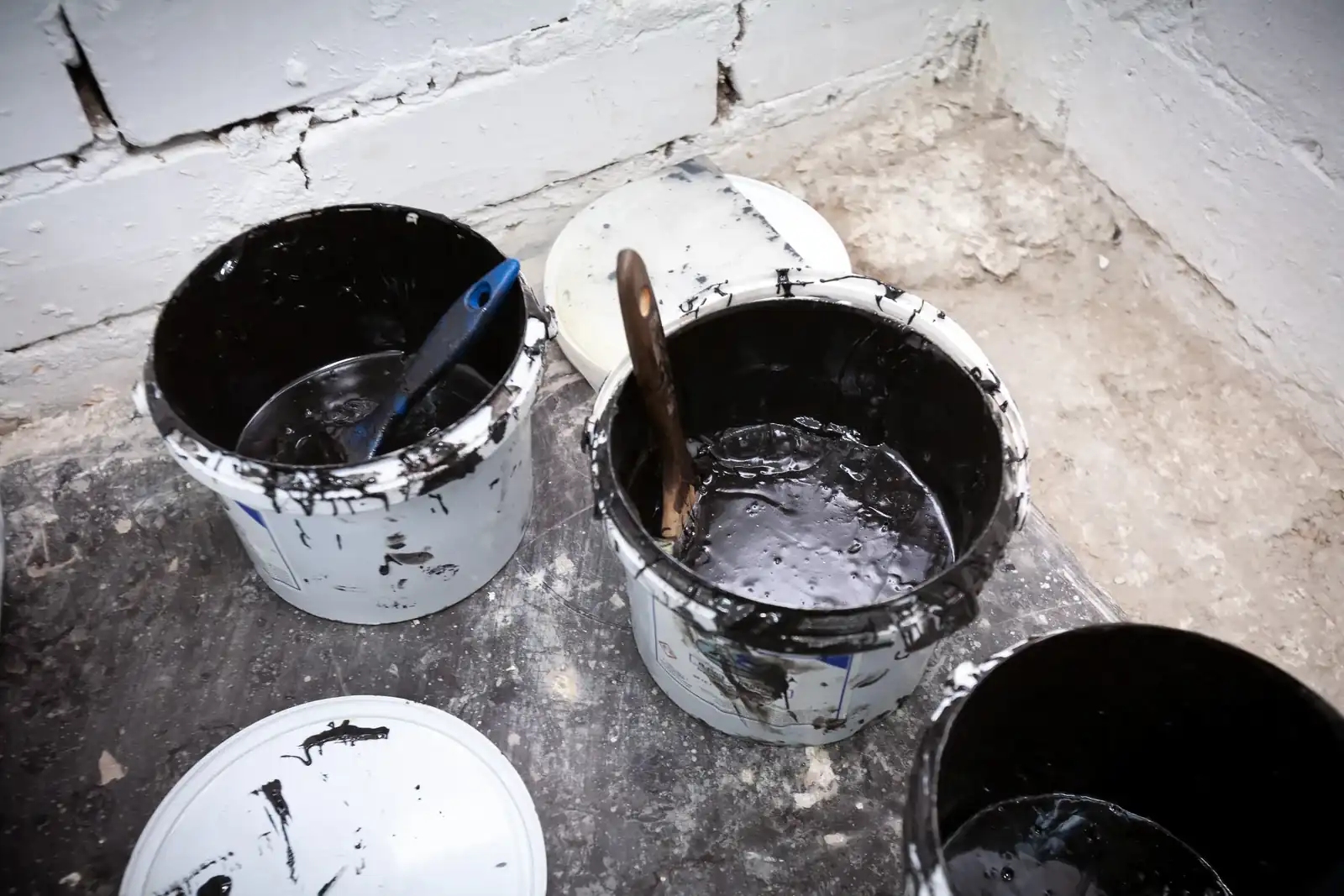
Solvent-based paint sludge can release flammable vapours, particularly when it is disturbed, decanted or consolidated into a closed container. The practical precautions are about containment and atmosphere, not about trying to treat the sludge on site:
- Keep containers closed when not being filled, and avoid decanting in enclosed spaces without ventilation and appropriate controls.
- Do not mix solvent-bearing sludge with incompatible wastes, because that can create a more difficult mixture and complicate classification.
- Label containers so the contents and origin are clear, and keep the paint safety data sheets with the waste records.
- Where sludge has to be loosened or pumped from a sump or pit, the atmosphere and access need to be assessed before anyone enters. Confined space work is competent specialist work; the HSE confined spaces legislation sets out the duties.
Documentation and duty of care
Paint sludge is controlled waste, and the duty of care applies to everyone who produces, keeps, carries, treats or disposes of it. The waste duty of care code of practice sets out the practical requirements in England and Wales. Scotland and Northern Ireland have their own codes, and cross-border movements need the relevant rules followed alongside each other.
Waste documentation supports traceability. It records what was moved, when and by whom, but it does not by itself prove that the waste was classified correctly or that the whole chain complied. The classification, the transfer records and the receiving facility’s acceptance all need to line up.
Hazardous waste in England carries extra requirements depending on whether the business is a producer, carrier or consignee. The GOV.UK hazardous waste guidance sets out the framework, and the devolved rules differ. Where the sludge is hazardous, the consignment process and the receiving site’s permit both need checking before removal.
What we can help with
We can help with paint sludge disposal from spray booths, water curtains, paint line effluent treatment and washer systems. That includes assessing the sludge, planning consolidation and removal, arranging dewatering where it helps, and dealing with the documentation that goes with the movement. We can also help with related work such as tank sludge removal and industrial sludge disposal where a site has more than one sludge stream.
Prices depend on the classification, the volume, the water content, access, container needs and the receiving facility. A real quote needs those details, so the first step is usually a description of the sludge, the paints in use and the site arrangements.
Free online tool
Sludge EWC Code Checker
Look up sludge sources, possible contaminants and waste-code candidates.
Common questions
Frequently asked questions
Is paint sludge always hazardous waste?
No. The classification depends on the substances present and whether the sludge displays hazardous properties. The mirror entries 08 01 13* and 08 01 14, and 08 01 15* and 08 01 16, reflect that split. Safety data sheets and process information are useful evidence, with analysis used where needed.
Can paint sludge be dewatered before disposal?
Often yes, where the sludge and site arrangements make it practical. Dewatering reduces water content and can reduce the volume to be moved, but it should not be treated as automatically making hazardous waste non-hazardous. The dewatered material still needs to be classified from its actual composition.
How should spray booth sludge be stored before collection?
It should be held in suitable compatible containers for the material and any hazards identified. Keep the contents clearly identified and retain the relevant waste and product information. Do not mix incompatible wastes.
Does a detackifier change how the sludge is classified?
The detackifier adds substances to the mixture, so it forms part of what classification has to consider. It also affects whether the sludge settles, floats or stays dispersed, and how easily it can be dewatered. A change of detackifier or dosing can change the sludge characteristics, which is worth recording.
What information is needed for a paint sludge disposal quote?
Useful details include the paints in use and their safety data sheets, the type of booth or treatment system, the approximate volume and water content, how the sludge is currently held, and site access. Classification, volume, water content, access and the receiving facility all drive the price, so a real quote needs those details.
Request a quote
Complete the form and we will get back to you.