
Industrial sludge removal
Oil Sludge Removal
Oil sludge settles where fuel, water and solids meet, and it rarely behaves like the liquid above it. Removing it safely depends on the tank or separator, the settled layer and how the material will be classified before disposal.
What oil sludge is and where it collects
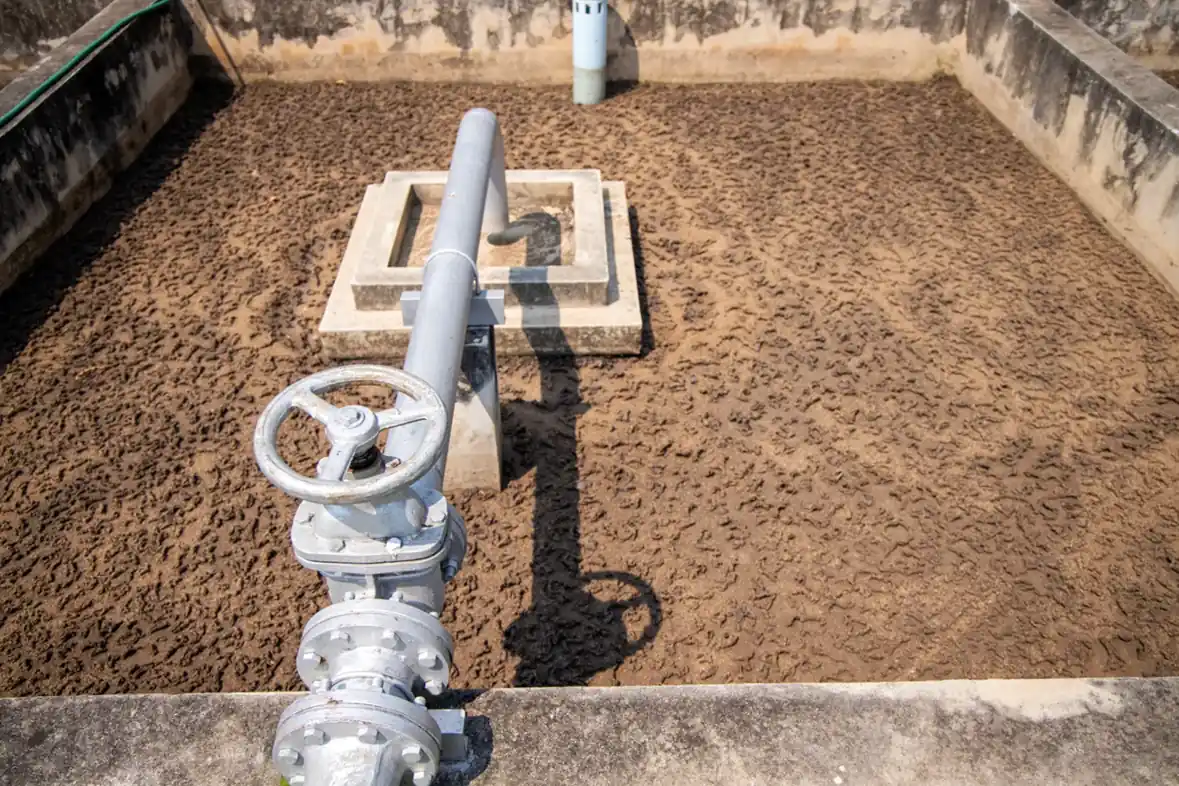
Oil sludge is the heavy layer that forms when oil, water and solids separate and settle. In a heating oil or diesel tank it often begins as water drawn in through vents or condensation, then becomes a dark, sticky deposit at the bottom of the tank. Microbes that grow at the oil and water boundary, sometimes called diesel bug, add to the problem. The result can block filters, foul injectors and reduce usable tank capacity.
Similar material collects in interceptors and process separators, where oil floats and solids sink. In refinery tank bottoms the composition is different again, often heavier and more variable. The source matters because it drives both the removal method and the waste classification.
We can help with oil sludge removal from tanks, interceptors and separators, including the assessment and documentation that disposal requires.
How oil sludge is classified
Oily sludge may be hazardous, but that cannot be decided from the name alone. Classification under WM3 depends on the source, composition and hazardous properties of the actual waste.
Depending on the material, the assessment may need to consider flammability, hydrocarbons and other hazardous substances. A waste described only as “oily sludge” cannot be given a definite hazardous or non-hazardous status without enough information about its composition.
Typical codes that may apply include 16 07 08* for wastes from tank cleaning containing oil, 13 07 for fuel oil wastes, 13 05 for interceptor sludges and 05 01 03* for tank bottom sludges from petroleum refining. The asterisk denotes a hazardous entry. The correct code depends on the source and the assessment, not on the description alone.
Our sludge waste classification page explains how sampling and assessment work in practice, and the sludge EWC codes page lists common entries.
Removing sludge from heating oil and diesel tanks
A domestic or commercial heating oil tank that has been in service for years can hold a surprising volume of sludge. The removal method depends on the settled layer, the tank material, access and what can happen to the liquid above it. In some cases the tank is emptied, cleaned and returned to service. In others the condition of the tank makes replacement the more sensible option.
Fuel tank sludge removal on vehicles and standby generators follows similar principles, though access and downtime constraints differ. Sludge that has blocked a fuel line or filter is a symptom, not the whole problem. Cleaning the tank without addressing the water source usually means the sludge returns.
If you are asking how to dispose of heating oil sludge, it should not go through drains, general waste or a domestic bin. It needs an appropriate waste route and an authorised waste carrier. If it is classified as hazardous, the relevant hazardous waste consignment procedure also applies. The tank sludge removal page covers tank cleaning in more detail.
Interceptors, separators and process sludges
An interceptor or separator does its job by slowing flow and letting oil and solids separate. Over time the retained oil layer and the settled solids have to be removed, or the unit stops working. Interceptor sludge often contains grit, hydrocarbons and water in varying proportions, and the oil content can be high enough to affect disposal options.
Process separators in manufacturing and food production can produce oily sludge with a different profile again. Where the process uses solvents, detergents or other chemicals, those can change the classification and the treatment route. Knowing what enters the separator is as important as knowing what comes out.
We can help with interceptor emptying and separator cleaning where oily sludge has built up. See interceptor emptying for the practical detail.
Disposal routes for oily sludge
Once the waste is classified, an authorised receiving route can be selected. Depending on the composition and the facility’s permit, that may involve oil recovery, separation, dewatering, other treatment or thermal treatment.
Dewatering can reduce water content and volume, but it should not be treated as automatically making hazardous waste non-hazardous. The dewatered material still needs to be classified from its actual composition. Waste acceptance testing, where relevant to a particular disposal route, is separate from waste classification.
The choice of route also depends on the receiving facility’s permit and on how the waste is packaged and described. A clear description and a valid classification make the process smoother for everyone involved.
Duty of care and documentation
Businesses that produce or hold oily sludge have a duty of care under the Environmental Protection Act 1990. In England and Wales the duty of care code of practice sets out what that means in practice. Similar duties apply in Scotland and Northern Ireland, and the regulators differ. If you operate across borders, more than one code may apply.
Hazardous waste has extra requirements. You must classify the waste, store it safely, use a registered carrier and complete a consignment note. The note supports traceability from production to final disposal. It does not, by itself, prove that the waste was handled correctly at every stage.
Records should be kept for the period your regulator requires. The sludge disposal page covers the wider picture, and the hazardous sludge disposal page deals with the additional controls.
Safety and access considerations
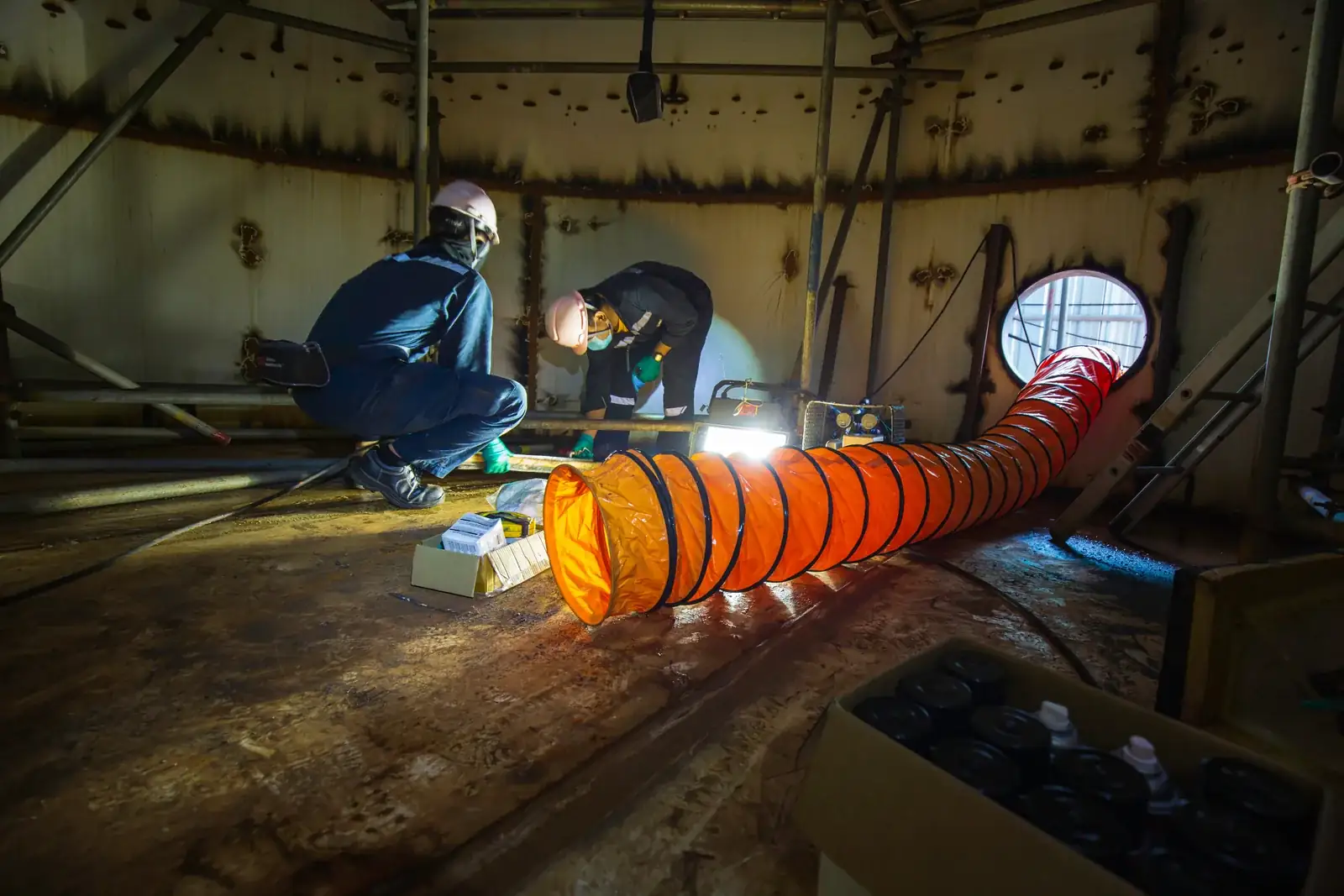
Work inside or around tanks and separators can involve confined spaces, flammable atmospheres and exposure to hydrogen sulphide or hydrocarbons. The Confined Spaces Regulations 1997 require employers to avoid entry where possible, and where entry is unavoidable to follow a safe system of work with adequate emergency arrangements. This is competent specialist work, not a general maintenance task.
Atmospheric testing, ventilation, permit to work systems and rescue arrangements are part of the planning. The same applies to sludge that has been left to stand and may have generated gas. Removing the material is only one part of the job; the conditions around it have to be managed too.
What to establish before work starts
- The source of the sludge and what else may have entered the tank or separator.
- Whether sampling is needed to support classification, and who will do it.
- The volume and physical state of the settled layer.
- Access for removal equipment and for the receiving vehicle.
- Whether the tank or unit will be returned to service or taken out of use.
- Who will complete the consignment note and keep the records.
Getting these points settled early avoids delays later. If you are unsure whether your material is hazardous, the classification step comes first. We can help with oil sludge removal, sampling and the disposal arrangements that follow.
Free online tool
Sludge EWC Code Checker
Look up sludge sources, possible contaminants and waste-code candidates.
Common questions
Frequently asked questions
Is oil sludge always hazardous waste?
No. Many oily sludges are hazardous, but the classification depends on the actual composition and the hazardous properties assessed under WM3. Flash point, carcinogenic marker compounds and other properties all play a part. A name alone is not enough to decide.
How do I dispose of heating oil sludge?
It should not go into drains, general waste or a domestic bin. It needs an appropriate waste route and an authorised waste carrier. If it is hazardous, the relevant consignment procedure applies. Where the classification is uncertain, further information or sampling may be needed before collection.
Can dewatering make oily sludge non hazardous?
Dewatering reduces water content and volume, but it should not be treated as automatically making hazardous waste non-hazardous. The remaining material still has to be classified from its actual composition.
What records do I need to keep for oily sludge disposal?
Businesses holding oily sludge have a duty of care and, for hazardous waste, must keep consignment notes and related records. The exact retention period and format depend on the regulator for your nation. Records support traceability; they do not by themselves prove compliance.
Request a quote
Complete the form and we will get back to you.