
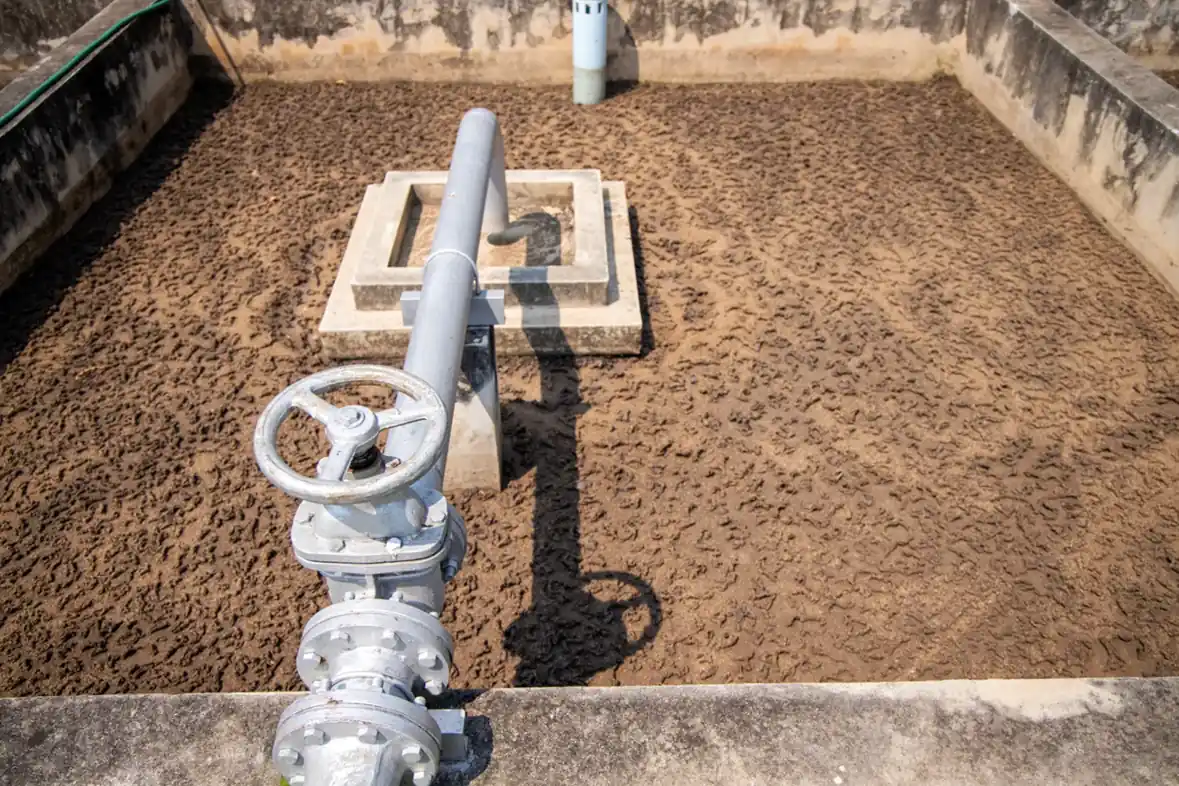
Industrial sludge removal
Sludge Waste Classification
Sludge classification decides whether material is hazardous or non-hazardous, which EWC code applies, and what treatment or disposal is open to it. The answer depends on origin, process history and, for mirror entries, the composition established from process knowledge, testing or both.
What waste classification decides
Classification is the step that turns a description of sludge into a coded waste with a hazardous or non-hazardous status. It affects how the material must be stored, transported, documented and treated. It also helps determine which treatment or disposal routes can consider the waste, although a receiving facility may need additional acceptance information.
The technical framework in England is the Environment Agency’s Waste classification technical guidance, usually called WM3. It sets out a structured assessment rather than a single lookup. Scotland, Wales and Northern Ireland have their own regulatory arrangements, and cross-border movements need care.
We can help with sludge classification projects where the material needs to be assessed before removal, treatment or disposal.
Absolute entries and mirror entries
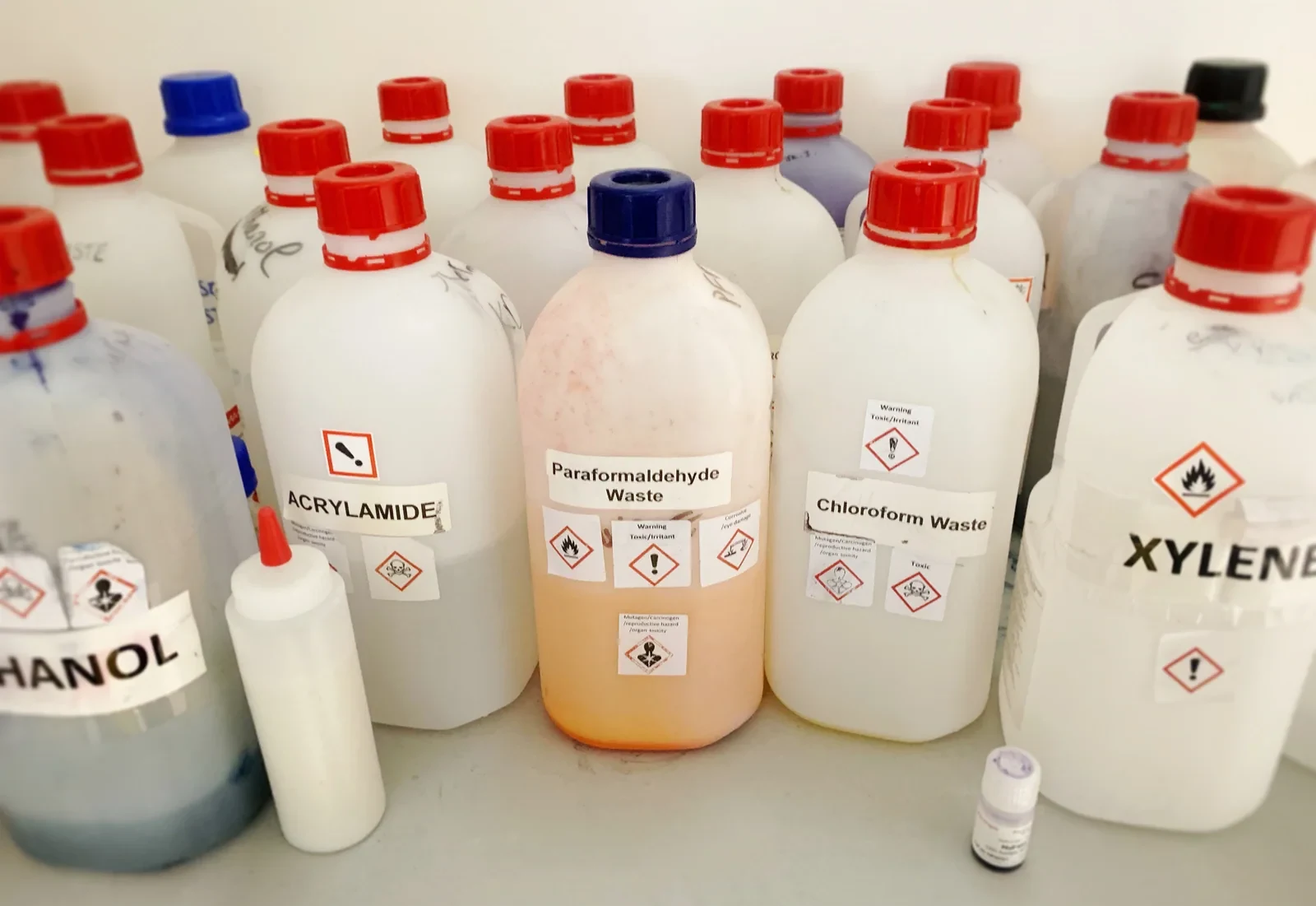
The List of Waste, also called the European Waste Catalogue or EWC, contains two kinds of entry. An absolute entry is hazardous or non-hazardous by definition. A mirror entry appears twice, once as hazardous and once as non-hazardous, and the correct version depends on the substances present and their concentrations.
For mirror entries, you cannot decide from the process name alone. A sludge from a named industrial process may be hazardous in one works and non-hazardous in another because of raw materials, additives, cleaning chemicals or effluent mixing. The composition needs to be established from sufficiently detailed process knowledge, testing or a combination of both before choosing between the paired codes.
Some sludges have an absolute entry. In those cases the code follows from the source and process, and sampling may still be useful for treatment or landfill acceptance even though it does not change the hazardous status.
The WM3 assessment in practice
WM3 sets out a sequence of steps. In outline, the assessment:
- Identifies the waste and the process that produced it.
- Checks the List of Waste for relevant absolute or mirror entries.
- Establishes the chemical composition, using process knowledge or testing.
- Applies the hazardous property criteria, including HP codes.
- Considers persistent organic pollutants and other specific rules.
- Selects the most appropriate code and status.
- Records the reasoning so it can be reviewed or defended.
The assessment is not only about metals. Organic content, pH, flash point, sulphur, phenols and other parameters may be relevant depending on the waste and the hazardous properties being assessed. Appearance alone cannot establish whether sludge is hazardous.
When sampling is required
Sampling may be required for mirror entries where process knowledge is not sufficient to establish the composition and hazardous status. It may also be requested by a treatment facility or landfill even when the code is already settled, because the receiving site needs its own acceptance data.
A sludge lagoon is rarely uniform. Solids settle, lighter material floats and the older layers may differ from recent deposits. A sampling plan should reflect that. Cores taken at depth, rather than only surface grabs, give a more useful picture of the material that will actually be removed.
Composite samples can be appropriate where the lagoon is well mixed or where the aim is to characterise the bulk. Where there is clear stratification, separate samples by layer or location are more informative. The plan should record depths, positions, dates and the equipment used.
We can help with sludge sampling plans that match the removal method and the questions the laboratory needs to answer.
Laboratory suites for sludge
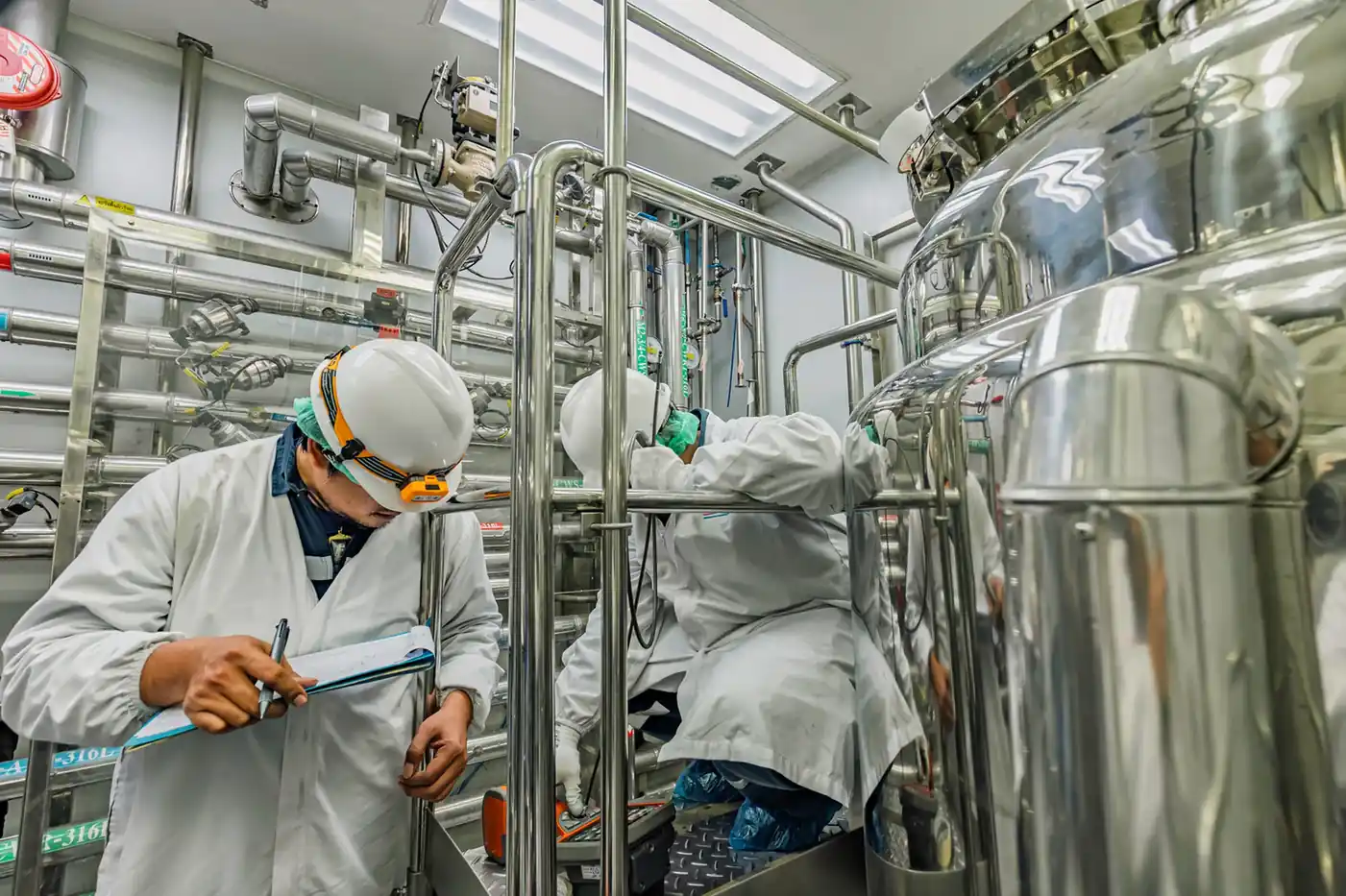
The right suite depends on the process and the suspected contaminants. A typical industrial sludge screen may include:
- Metals, including cadmium, chromium, copper, lead, nickel, zinc and mercury.
- Total petroleum hydrocarbons with aromatic and aliphatic markers.
- pH and, where relevant, acid neutralising capacity.
- Flash point for solvent or oil-bearing material.
- Loss on ignition or total organic carbon.
- Sulphate, sulphide and phenols where the process suggests them.
- Polychlorinated biphenyls or other persistent organics for older industrial sites.
Landfill acceptance adds another layer. Waste acceptance criteria testing, usually called WAC, looks at leaching behaviour and is specific to the landfill class. WAC does not replace hazardous classification. A waste can be non-hazardous and still fail WAC for a particular site, or pass WAC while remaining hazardous.
What the report should show
A classification report needs to be usable by the people who handle the waste. It should identify the producer and the process, describe the sampling method and date where sampling was used, list the relevant evidence or laboratory results, and set out the WM3 reasoning. The selected List of Waste code and hazardous or non-hazardous status should be stated clearly with the basis for that conclusion.
For a collector or landfill, the report should also cover the physical form, estimated quantity, storage arrangements and any known hazards. If WAC testing has been done, the results should be presented against the relevant landfill criteria.
Documentation supports traceability. It does not by itself prove legal compliance, and it does not remove the producer’s duty of care. The waste duty of care code of practice explains those responsibilities in England and Wales.
Common problems and how to avoid them
One frequent issue is classifying from a process name without checking the mirror entry. Another is sampling only the top of a lagoon and assuming the rest is the same. A third is treating WAC as if it settles the hazardous question.
Mixing sludges from different processes before classification can also create difficulty. The mixture may have a different code and status from either input, and the paper trail becomes harder to follow. Where mixing is unavoidable, classify the mixture as produced.
If the hazardous status is uncertain, do not assume the sludge is non-hazardous. Complete a competent classification assessment before selecting the removal or disposal route. The hazardous waste guidance sets out additional requirements for hazardous waste.
Where classification fits with removal
Classification usually comes before removal because the receiving facility needs the code, status and waste description to assess the load. The classification can also affect documentation, handling precautions and the treatment or disposal route.
We can help with classification, sampling and the removal planning that follows. Related pages cover sludge EWC codes, sludge sampling and hazardous sludge disposal.
Free online tool
Sludge EWC Code Checker
Look up sludge sources, possible contaminants and waste-code candidates.
Common questions
Frequently asked questions
Can I classify sludge from its name alone?
Only where the List of Waste has an absolute entry that matches the process. For mirror entries, the hazardous or non-hazardous status depends on the substances present and their concentrations, so testing or detailed process knowledge is normally needed.
Does WAC testing replace hazardous waste classification?
No. Waste acceptance criteria testing looks at leaching behaviour for a specific landfill class. It does not decide whether the waste is hazardous, and a non-hazardous waste can still fail WAC for a particular site.
How should a sludge lagoon be sampled?
The plan should reflect how the lagoon has been used and how stratified it is. Cores at depth and separate samples by layer are usually more informative than surface grabs alone, especially where older deposits differ from recent material.
What should a classification report contain?
It should identify the producer and process, describe sampling, present laboratory results, set out the WM3 reasoning, state the chosen code and status, and cover physical form, quantity and known hazards for the receiving facility.
Request a quote
Complete the form and we will get back to you.