
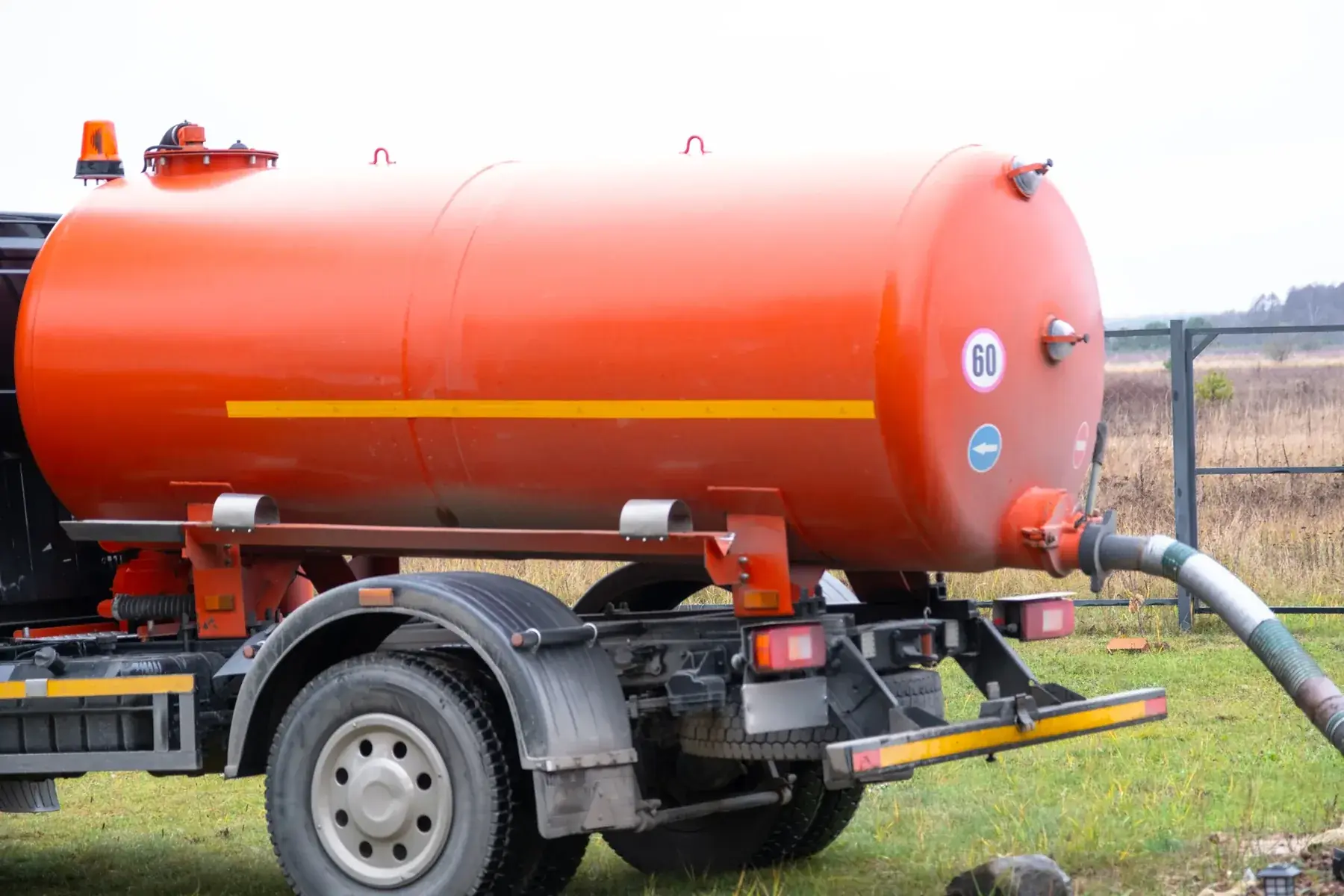
Industrial sludge removal
Vacuum Tanker Hire
A vacuum tanker removes liquid, sludge and semi-solid material by suction, then carries it away for treatment or disposal. The tanker, hose run and discharge point all have to suit the material and the site. We can help with vacuum tanker hire for planned and urgent work.
What Vacuum Tanker Hire Covers
Vacuum tanker hire for sludge and liquid waste is commonly arranged with an operator. The operator runs the vacuum equipment, manages the hose and transports the load to the agreed receiving point. Whether a particular job also involves confined-space controls, dangerous goods requirements or other specialist precautions depends on the site and the material.
The material being removed shapes the choice of tanker more than the size of the site. A thin liquid such as interceptor water moves quickly through a standard vacuum hose. A thick sludge may need a larger bore hose, a longer suction cycle or mechanical loosening before it will flow. Grit, rag and stone can block a hose or damage a pump, so the tanker specification should reflect what is actually in the tank or lagoon.
We can help with vacuum tanker hire for sludge disposal, desludging, interceptor emptying and similar liquid waste work. The sections below explain the tanker types, the limits that affect access and the information needed for a realistic quote.
Standard vacuum tanker
A standard vacuum tanker uses vacuum equipment to draw material into its tank and may be suitable for sewage sludge, septic tank contents, interceptor waste and other pumpable liquids or sludges. Vehicle size, tank capacity, hose arrangement and pump type vary, so the material and site access need to be checked before the unit is selected.
ADR tanker
An ADR tanker is used where the load is subject to the rules for carrying dangerous goods by road and the proposed vehicle is suitable for that carriage. Hazardous-waste classification and dangerous-goods transport classification are separate questions, so a waste being hazardous does not by itself mean that ADR tanker requirements apply. The material and its transport classification need to be established before the appropriate vehicle is selected. See sludge waste classification for waste-classification guidance.
Combination jetting and vacuum tanker
A combination unit carries a water tank and a vacuum tank on the same vehicle. It can jet a drain or chamber to move solids into suspension, then vacuum the resulting material out. This suits blocked drains, wet wells and interceptor chambers where the material has consolidated. The jetting pressure and vacuum capacity need to match the pipe material and the waste.
High-volume liquid ring tanker
Liquid ring vacuum equipment is used on some tanker applications. Its suitability depends on the material, required airflow, hose arrangement and the specific vehicle setup. Thick or consolidated sludge may need a different unit or additional handling before it can be removed effectively.
Capacity, Hose Reach and Lift Limits
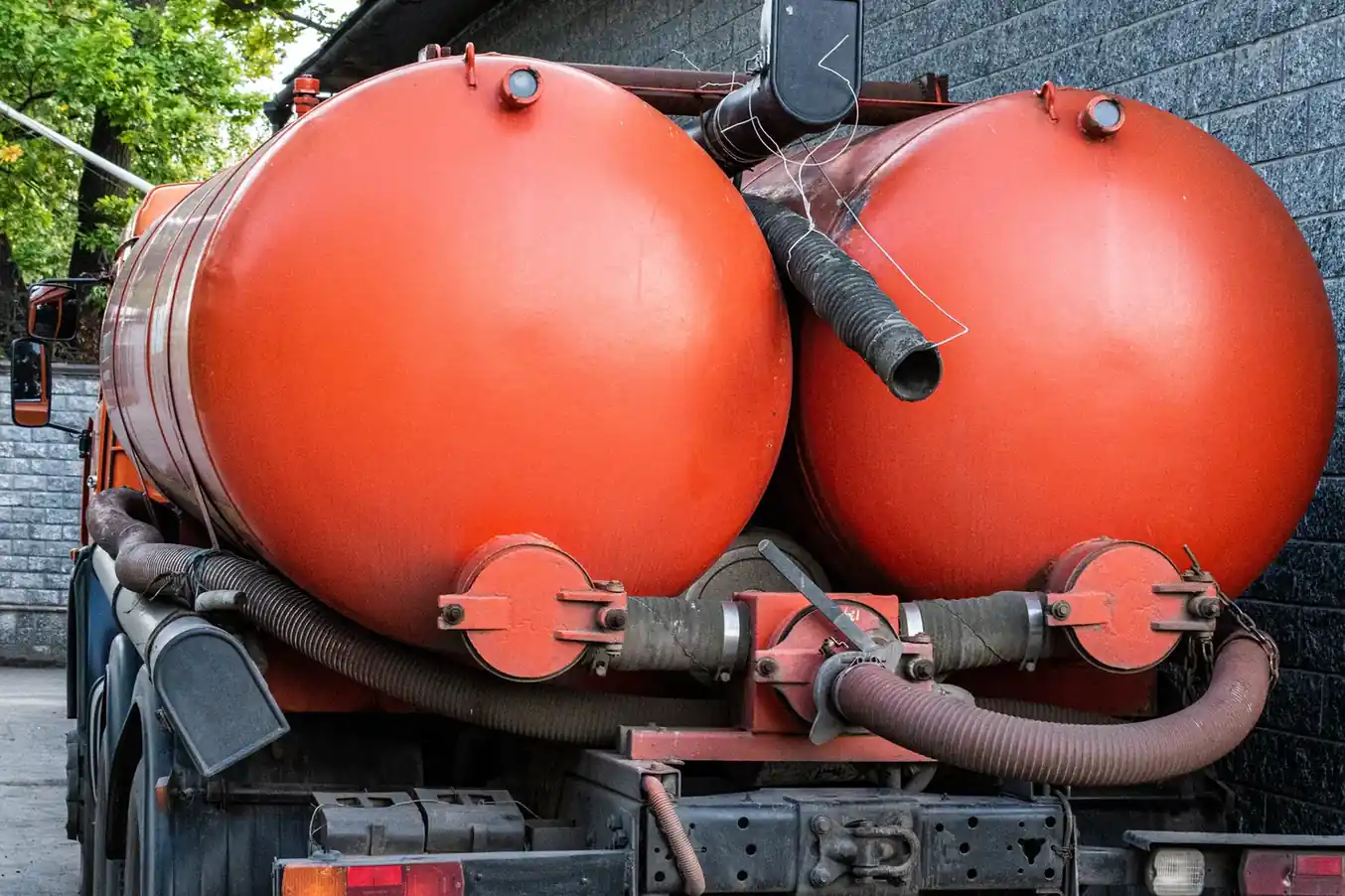
Tanker capacity is only one factor. The hose diameter, hose length and the vertical lift from the material to the tanker inlet all affect how well the tanker performs. A long horizontal hose run adds friction loss. A deep lift reduces the achievable vacuum at the nozzle. In practice, a tanker that works well on a shallow chamber may struggle on a deep wet well with the same hose.
Capacity, hose reach, suction lift and discharge method vary by vehicle and setup. The supplier should confirm the proposed tank size, hose arrangement and workable lift for the actual material and site before attendance is agreed.
Access, Ground Conditions and Site Setup
A tanker needs a suitable route in, a safe standing position and a route out. Loaded tankers are heavy vehicles, so ground conditions, slabs, covers and any weight restrictions need to be checked. Overhead cables, low bridges, tight bends and parked vehicles can also prevent a vehicle reaching the suction point.
Where access is restricted, a smaller vehicle, longer hose arrangement or transfer pump may be considered if suitable for the job. The receiving point also needs to be confirmed. Discharge to a sewer, manhole or treatment system must only take place where the relevant operator has authorised it; otherwise the load needs an appropriate waste treatment or disposal route.
Confined space work, such as entering a chamber to clear a blockage, is safety-critical. It must be planned and carried out by competent specialist teams under the Confined Spaces Regulations 1997. The HSE guidance on confined spaces sets out the duties to avoid entry where possible and to have emergency arrangements in place.
Pricing Drivers for Vacuum Tanker Hire
Vacuum tanker quotations depend on the job. Charges may reflect attendance time, vehicle type, number of loads, transport, treatment or disposal, and any additional equipment or site requirements. The quotation should state what is included.
The main cost drivers are:
- Volume and type of material, including how thick or abrasive it is.
- Access, hose run and any need for smaller vehicles or extra equipment.
- Time on site, including waiting time and discharge time.
- Waste classification and the treatment or disposal route.
- Urgency, out of hours attendance and any permit or traffic management requirements.
Whether treatment or disposal is included depends on the quotation. Hazardous waste has additional controls and documentation requirements. The GOV.UK guidance on hazardous waste explains the requirements that apply in England.
Documentation and Duty of Care
Waste transfers need the appropriate documentation for the waste type and the part of the UK where the movement takes place. In England and Wales this may include a waste transfer note or, where the hazardous-waste rules require it, a consignment note. The duty of care applies to those who produce, carry, keep, treat or dispose of controlled waste. The waste duty of care code of practice sets out the requirements for England and Wales.
Waste documentation supports traceability. It does not by itself prove that the waste has been classified correctly or that the disposal route is suitable. Classification should follow the Environment Agency’s technical guidance, and the description on the paperwork should match the material actually removed.
Planned and Emergency Tanker Work
Planned work allows time to check access, confirm the material and book the right tanker. Emergency work, such as a flooded chamber or an overflowing interceptor, may need a faster response, but the same limits apply. A tanker that cannot reach the suction point or cannot take the load will not solve the problem.
For urgent work, useful information includes the location, approximate volume, known or suspected waste type, and any access restrictions. That helps establish what kind of tanker and waste route may be suitable. We can help arrange planned or urgent vacuum tanker hire and the treatment or disposal arrangements that follow, subject to supplier availability and the job requirements.
Free online tool
Sludge EWC Code Checker
Look up sludge sources, possible contaminants and waste-code candidates.
Common questions
Frequently asked questions
What is the difference between wet hire and dry hire for a vacuum tanker?
Wet hire means the tanker comes with an operator who runs the equipment and transports the load. Dry hire means equipment is supplied without an operator. For sludge and liquid waste, the appropriate arrangement depends on the job, the equipment and the controls that apply to the material and site.
How do I know if I need an ADR tanker?
An ADR tanker may be needed where the load is subject to the rules for carrying dangerous goods by road. Hazardous-waste classification and dangerous-goods transport classification are separate, so hazardous waste does not automatically require an ADR tanker. The material and its transport classification should be established before the appropriate vehicle is booked.
Is disposal included in the vacuum tanker hire price?
It depends on the quotation. Tanker attendance, transport, treatment and disposal may be priced separately or together. The waste classification, receiving site, number of loads and time required can all affect the final price, so check the quoted scope before booking.
What information do you need for a vacuum tanker hire quote?
Useful details include the material type and approximate volume, the location and access, the hose run and lift, whether the waste is hazardous, the discharge or disposal point, and whether the work is planned or urgent. A site visit may be needed where access is tight or the material is difficult to assess.
Request a quote
Complete the form and we will get back to you.