
Industrial sludge removal
Slurry Removal
We can help with slurry removal from lagoons, stores and tanks. The right route depends on where the slurry came from, how it will be used, its condition and the rules that apply at the site.
When slurry is a resource and when it is waste
Whether slurry is waste depends on its source, use and the rules that apply in the relevant UK nation. In England, manure and slurry produced in agriculture are not treated as waste when used as fertiliser on agricultural land, including when used on another agricultural holding. Other destinations, uses or contaminated material may be regulated differently, so the route should be checked before collection.
Where slurry is regulated as waste, the correct List of Waste code depends on its source and intended route. In England, code 02 01 06 can apply to specified manure and slurry wastes, including material not produced in agriculture and material intended for spreading on non-agricultural land. It is not a default code for every load moved off a farm. Our sludge waste classification page explains how classification is approached.
Records matter either way. A waste transfer note supports traceability and shows where material went, but it does not by itself prove that the whole operation is compliant. The waste duty of care code of practice sets out what producers and holders are expected to do.
Hydrogen sulphide and agitation safety
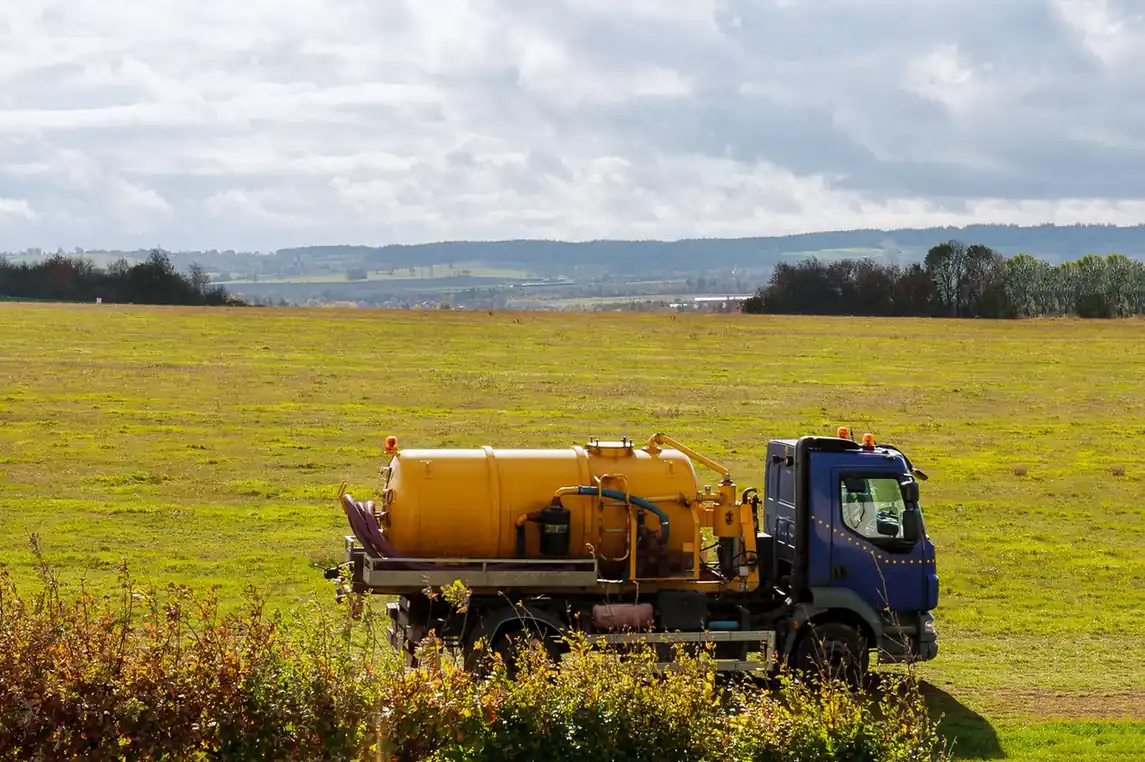
Slurry stores and lagoons produce hydrogen sulphide as material breaks down without oxygen. The gas is heavier than air, collects in low areas and dead spaces, and can reach dangerous concentrations very quickly once a store is agitated. It also dulls the sense of smell at higher concentrations, so smell is not a reliable warning.
Agitation should be treated as a hazardous operation. People should stay out of the store and away from the open side, and animals should be moved clear before mixing starts. Ventilation and gas monitoring are part of planning the job, not an optional extra. Where entry into a store, tank or lagoon is genuinely unavoidable, the Confined Spaces Regulations 1997 require a safe system of work and emergency arrangements in place before anyone goes in. In practice, most slurry removal can be planned so that no one enters the space at all.
Storage capacity and closed periods
Storage and spreading controls differ across the UK. In England, relevant requirements can include the Farming Rules for Water, silage, slurry and agricultural fuel oil rules and, where applicable, nitrate vulnerable zone rules. Wales, Scotland and Northern Ireland have their own regimes. Anyone planning removal or spreading should confirm the requirements that apply to the holding and the intended route.
Capacity is often lost long before a store looks full. Crust, settled solids and accumulated sand or grit reduce the usable volume, and a store that appears to have headroom may have far less than expected. Removing crust and settled material restores working volume and makes the store easier to manage through the winter. We can help with planned lagoon desludging and store cleaning where capacity has been lost to settled solids.
Getting material out of a lagoon or store
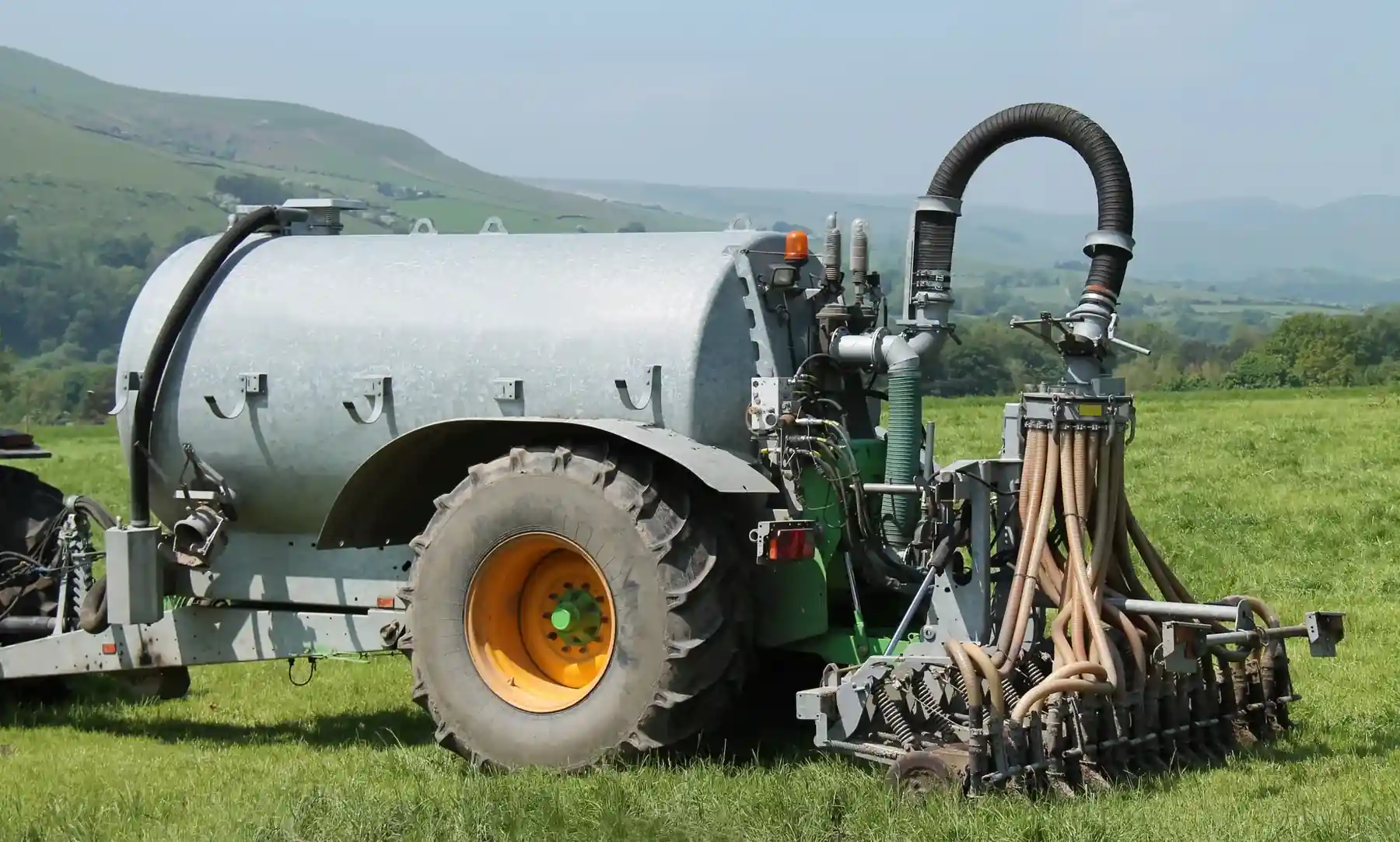
The method depends on how thick the material is, how much of it is settled, and what access exists for tankers or pumping equipment. Thin slurry can often be pumped or tankered directly. Thick, crusted or heavily settled material may need mixing first, or may need to be lifted in stages so that the liquid above it can be handled separately.
Slurry tankers are one option, but they are not the only one. Where volumes are large or access is tight, pumping to a temporary store or direct to a receiving site can be more practical. The choice affects how long the job takes and how much handling the material goes through. Our lagoon desludging page covers the options for larger stores in more detail.
Where slurry can go
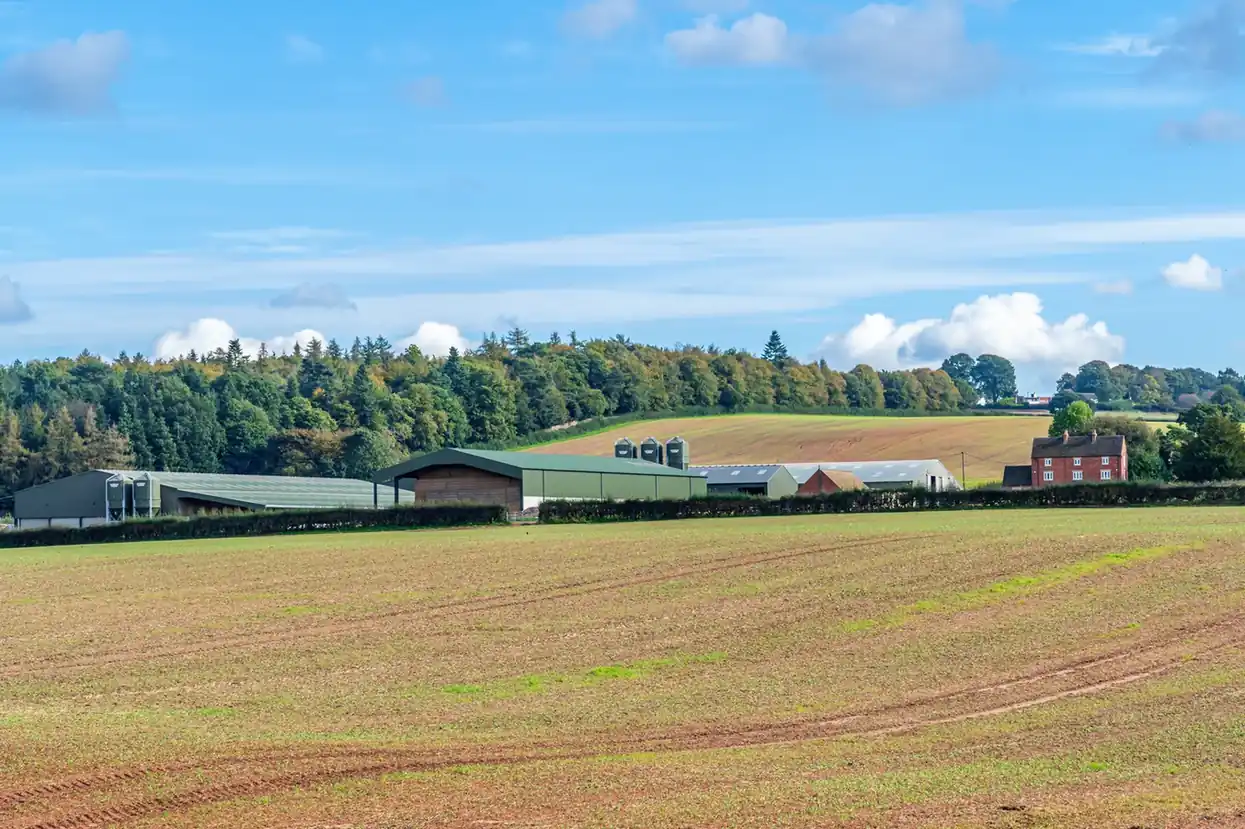
There are three main routes, and each has different requirements.
- Spreading on land. This depends on the nutrient requirement, soil and weather conditions, and any restrictions that apply to the holding and time of year.
- Anaerobic digestion. AD plants take slurry and other feedstocks, but they set their own acceptance criteria. Dry matter content, contamination and the presence of grit or plastic all affect whether a plant will accept a load.
- Waste recovery or disposal. Where slurry is discarded as waste, it must follow an authorised recovery or disposal route. The applicable duty of care, classification and documentation requirements then need to be followed.
A farm may use more than one lawful route. The important point is that each load is accounted for and the receiving route is agreed before removal starts.
Sampling and analysis
Where slurry is going to a digester or a disposal facility, the receiving operator usually wants to know what is in it. Sampling before removal avoids loads being rejected at the gate and gives a clearer picture of nutrient content, dry matter and any contaminants. Our sludge sampling page explains how representative samples are taken from stores and lagoons.
Analysis is also useful where slurry has been stored alongside other materials. Runoff from yards, silage clamps or dirty water can change the composition, and the result may not behave like typical livestock slurry. A laboratory result is more reliable than an assumption based on the source.
Planning the job around the farming year
Timing is often the hardest part. Where landspreading is intended, applicable closed periods, weather, ground conditions and the availability of suitable land can narrow the window. A store that needs emptying before winter should be assessed early enough to identify the available routes before conditions deteriorate.
It can help to assess the liquid and settled fractions separately. They may need different handling methods or destinations, depending on their composition and the route available.
We can help with slurry removal from lagoons, stores and tanks, including crust removal, settled solids and the disposal or recovery route that fits the material. For related work on other sludges, see our desludging page.
Free online tool
Sludge EWC Code Checker
Look up sludge sources, possible contaminants and waste-code candidates.
Common questions
Frequently asked questions
Is slurry always classified as waste?
No. In England, manure and slurry produced in agriculture are not treated as waste when used as fertiliser on agricultural land, including on another agricultural holding. Other uses, destinations or contaminated material may be regulated differently. The position should be checked for the relevant UK nation and the actual route.
Why is hydrogen sulphide such a concern during slurry agitation?
Slurry stores produce hydrogen sulphide as material breaks down without oxygen. The gas is heavier than air and can build up to dangerous concentrations quickly once a store is mixed. It also reduces the sense of smell at higher levels, so smell cannot be relied on as a warning. Agitation should be planned with people kept clear and animals moved away.
Can slurry be spread on land at any time of year?
No. There is no single UK-wide closed period that applies to every holding and every slurry application. Restrictions depend on the UK nation, location, nutrient regime, soil and weather conditions. The rules that apply to the holding should be checked before spreading.
What happens to slurry that cannot be spread or sent to a digester?
If slurry is being discarded as waste, it must follow an authorised treatment or disposal route and the applicable duty of care requirements. The correct classification and documentation depend on the material and the destination, and the receiving site may set its own acceptance criteria.
Does removing settled solids from a lagoon restore its full capacity?
Removing crust and settled material restores usable volume and makes the store easier to manage, but the amount recovered depends on how much has accumulated and how well the material can be separated. A survey or assessment before work starts gives a clearer picture of what is actually in the store.
Request a quote
Complete the form and we will get back to you.