
Industrial sludge removal
Grease Trap Emptying
A grease trap that is left too long turns a simple maintenance job into a drainage problem. Fat, oil and grease accumulate at the surface while heavier solids settle below. We can help with planned emptying and FOG waste collection for commercial sites.
What a grease trap does and why it needs emptying
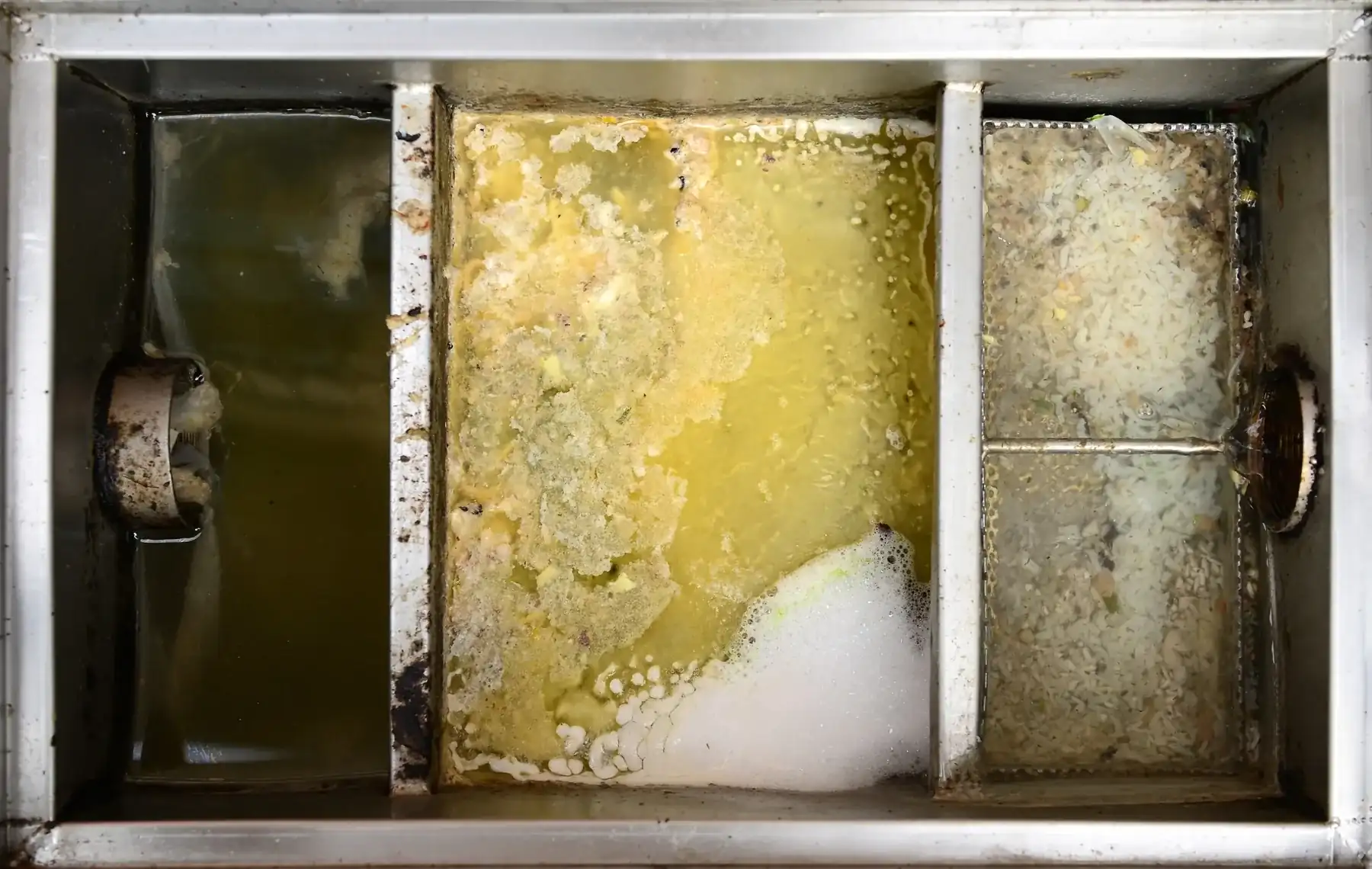
A grease trap, sometimes called a grease removal unit or FOG separator, is a chamber fitted into a drainage run so that fat, oil and grease can separate from wastewater before it reaches the sewer. The trap slows the flow and lets lighter FOG rise to the surface while denser food particles and sludge settle at the bottom. The middle layer of water passes on to the drain.
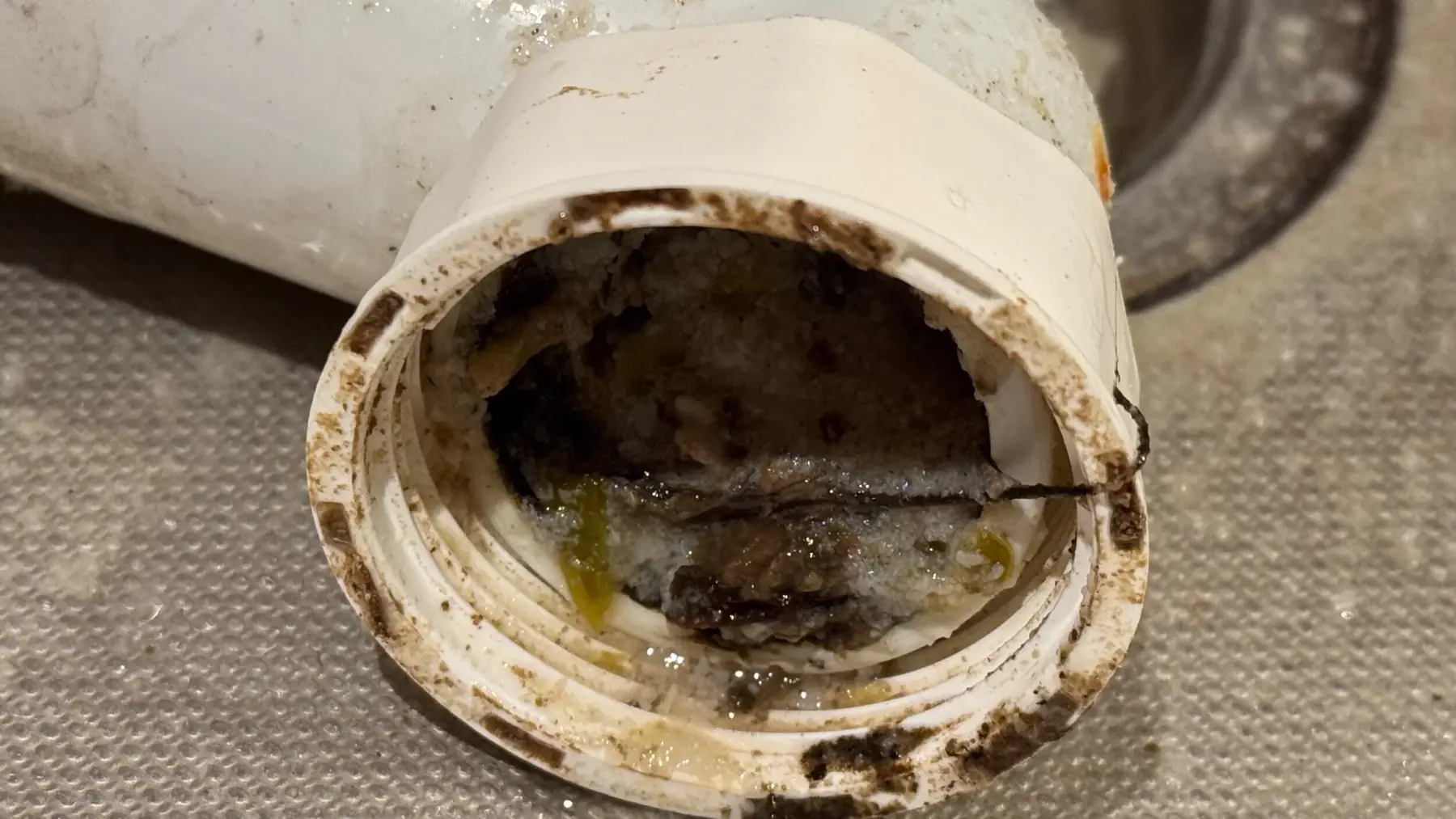
As FOG and settled solids build up, the trap has less effective capacity and grease can pass into downstream pipework. That can contribute to slow drainage and blockages. Businesses should manage FOG so that their discharge complies with the requirements of the relevant sewerage undertaker.
We can help with grease trap emptying and the removal of accumulated FOG, sludge and liquid from commercial traps and separators.
Grease traps, grease removal units and FOG separators
The names overlap, and the equipment on site matters more than the label. A traditional in-ground grease trap is usually a concrete or plastic chamber with baffles. A grease removal unit is often a smaller packaged unit, sometimes above ground, with a removable basket or draw-off point. A larger FOG separator may serve a whole food production line or a central kitchen.
What they share is the need to remove accumulated FOG and solids before performance is affected. What differs is access, volume and the way the unit is designed to be serviced. The removal method should follow the equipment, site access and any confined-space or other safety constraints.
If you are unsure which type you have, the position of the inlet and outlet, the depth of the chamber, and the presence of baffles or a draw-off valve will usually identify it.
Signs that emptying is overdue
Common warning signs include odour, slow drainage, flies, visible grease downstream or wastewater backing up. These symptoms can have more than one cause, so the trap and connected drainage should be checked rather than relying on smell alone.
Planned inspection and emptying can reduce the chance of the trap becoming overloaded and causing problems in the connected drainage.
How often should a grease trap be emptied?
There is no single interval. Frequency depends on the type and size of the unit, the amount and type of food preparation, the FOG loading and the manufacturer’s or site’s maintenance requirements.
Useful indicators include the depth of the FOG and sludge layers, available working volume and any signs of carry-over or restricted flow. Where the unit has a manufacturer-set service trigger or monitoring method, that should be followed rather than relying on a generic percentage.
We can help with planned emptying schedules based on the actual condition of the trap rather than a fixed interval.
Waste codes and recovery routes for grease trap waste
Grease trap waste is classified under the List of Waste, also called the European Waste Catalogue or EWC. The code depends on what the trap has collected and whether anything else has entered it.
- 19 08 09 covers grease and oil mixtures from oil/water separation containing only edible oil and fats, and may apply to catering grease trap waste where that description fits the actual contents.
- 20 01 25 covers separately collected edible oil and fat, often used for waste cooking oil from fryers.
- 19 08 10* covers grease and oil mixtures from oil/water separation other than those described by 19 08 09. It is a hazardous entry, so the code should only be used where that description fits the actual waste.
Do not assume that a grease trap is automatically non-hazardous. If cleaning chemicals, mineral oil, or other substances have entered the trap, the classification can change. Waste classification technical guidance (WM3) sets out how to assess this, and sampling may be needed where the contents are uncertain.
Once classified, suitable grease-trap waste may be accepted for recovery, including anaerobic digestion, where the receiving facility is authorised to take it. The route depends on the waste code, contamination and the receiving site’s acceptance criteria. Documentation supports traceability, but it does not by itself prove that the waste has been handled correctly.
Working safely around grease traps
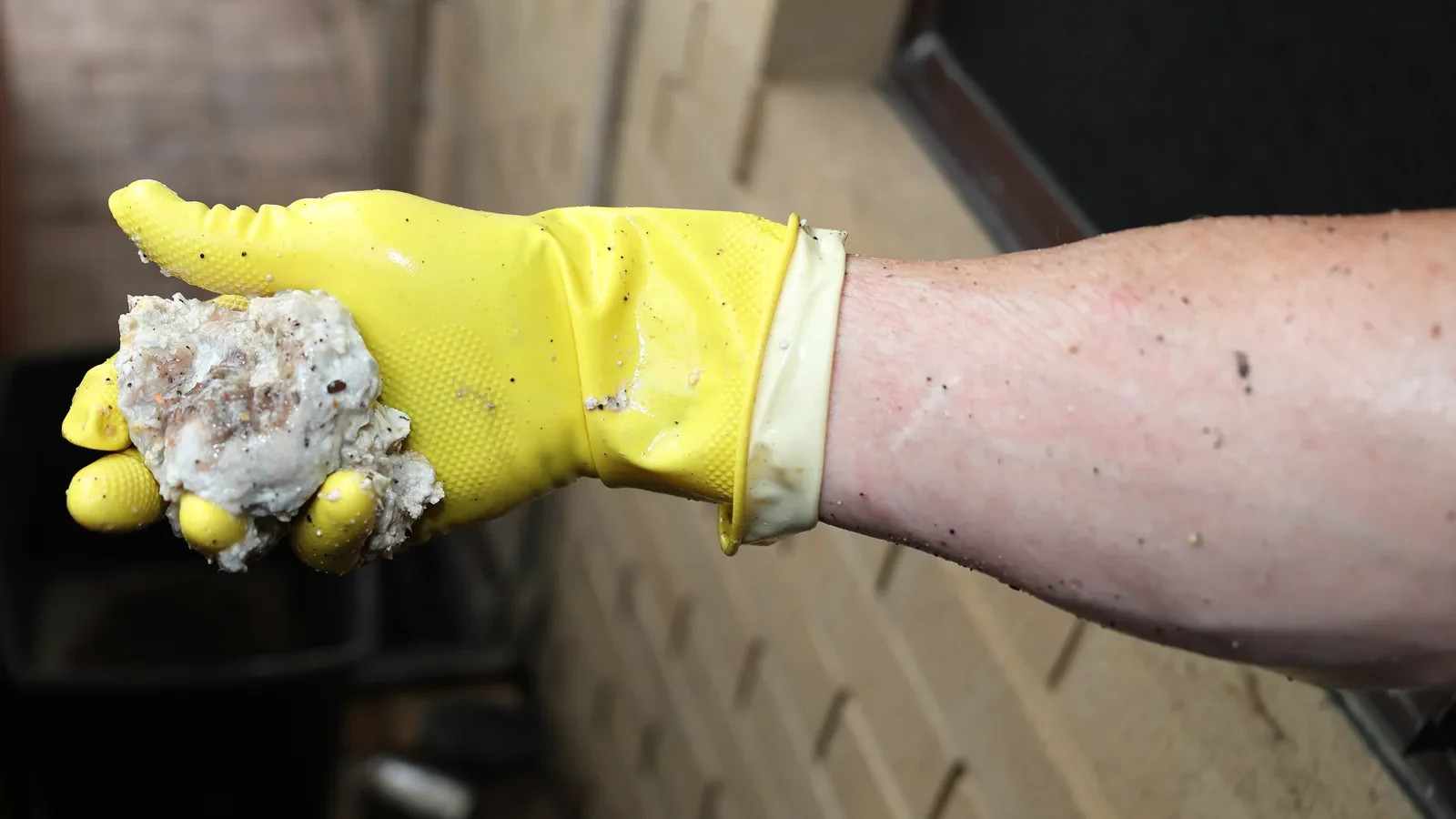
Some grease traps are confined spaces. The Confined Spaces Regulations 1997 require that entry is avoided where possible, and where entry is unavoidable, a safe system of work and emergency arrangements must be in place. Grease traps can also contain sharp objects, glass, and bacteria. Emptying and cleaning should be treated as competent specialist work, not a routine task for kitchen staff.
Where access allows, the work can often be done from outside the chamber using vacuum equipment and long-handled tools. This reduces the need for entry and the associated risks. Where entry is necessary, it should only be carried out by people trained and equipped for confined space work.
What to expect from a grease trap emptying service
The scope of a grease trap emptying visit depends on the unit and site. It may include checking the accessible condition of the trap, removing accumulated FOG, sludge and liquid, and cleaning where agreed. The waste should be documented with the appropriate transfer or consignment paperwork for its classification.
For multi-site catering, hospitals, schools and food manufacturers, the practical questions are access, frequency, and where the waste can go. A site with limited access may need smaller vehicles or a pump and hose run. A site producing large volumes may need a scheduled tanker service. The cost depends on volume, access, classification, and the distance to a suitable receiving facility. A real quote is needed because these factors vary so much between sites.
We can help with grease trap emptying, FOG removal, and the documentation that goes with it. For related work, see interceptor emptying, liquid waste disposal, and food processing sludge removal.
Free online tool
Sludge EWC Code Checker
Look up sludge sources, possible contaminants and waste-code candidates.
Common questions
Frequently asked questions
Can I empty a grease trap myself?
Follow the unit manufacturer's instructions and your site's safety procedures. Any removed waste still needs to be managed and documented correctly. In-ground units, difficult access and any work involving a confined space should be handled by competent people using an appropriate system of work.
Is grease trap waste always hazardous?
No. Waste that fits 19 08 09, grease and oil mixture from oil/water separation containing only edible oil and fats, is a non-hazardous entry. If the contents do not fit that description, a different code may apply and the actual waste must be assessed.
What happens to the waste after emptying?
Depending on the code and contamination, suitable material may go to anaerobic digestion or another authorised recovery or treatment facility. The receiving site must be permitted to accept the actual waste.
How do I know if my trap needs emptying?
Slow drainage, odour, flies, or a visible FOG layer are common signs. Measuring the depth of the FOG and sludge layers gives a more reliable answer than waiting for a blockage.
Request a quote
Complete the form and we will get back to you.