
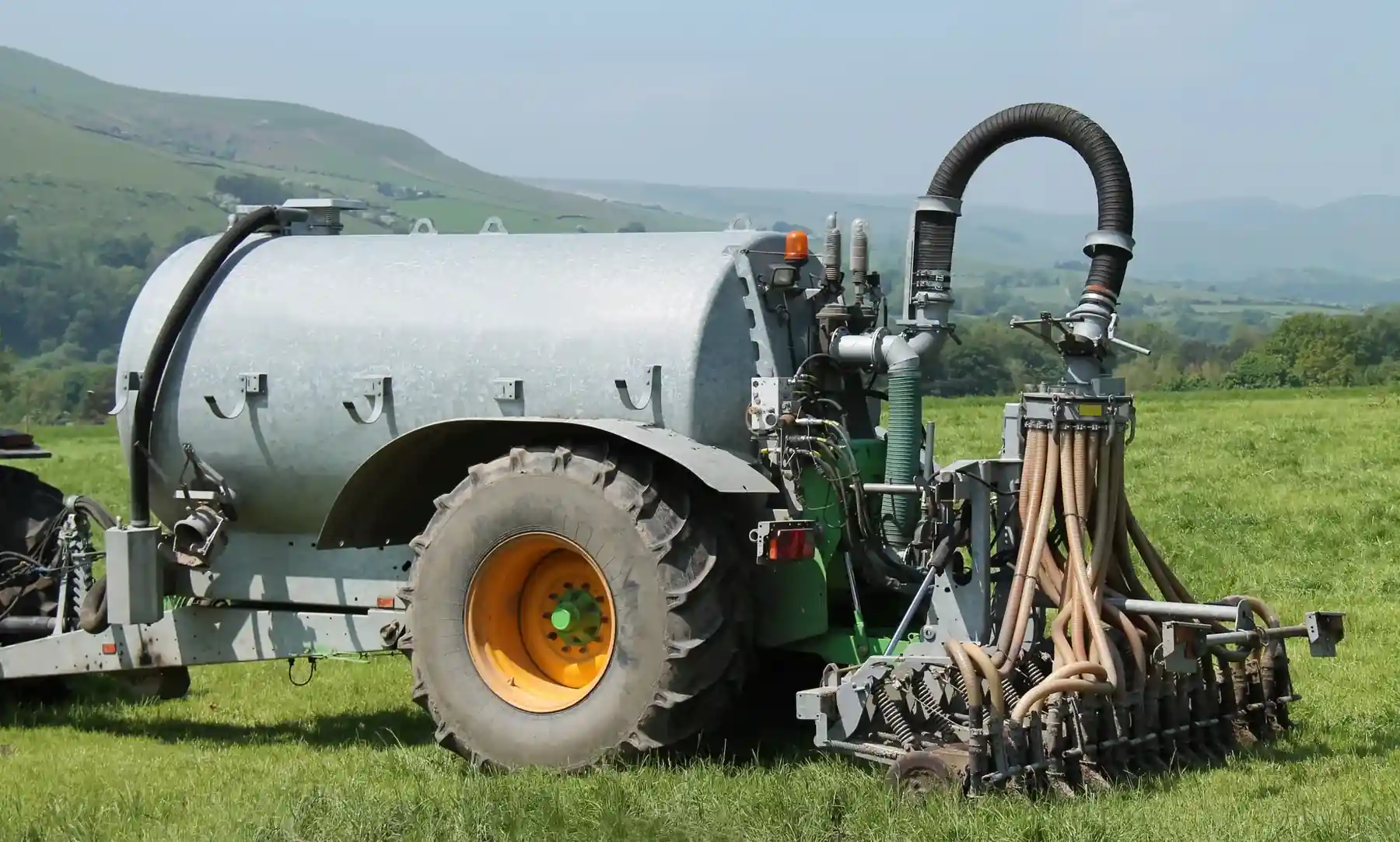
Industrial sludge removal
Interceptor Sludge Removal and Disposal
Interceptor sludge removal deals with the material accumulated inside a separator: settled sediment, oily water and any separated oil. The disposal route depends on what those contents are, how they arose and the receiving facility. Equipment servicing is a separate part of maintaining the interceptor.
Describe the contents before specifying removal
An interceptor is not filled with one uniform waste. Sediment can settle on the base, an oil layer can collect above the water and debris can gather around internal fittings. The depth of each layer and the recent history of the site help describe the collection.
Routine maintenance arisings may differ from material recovered after a spill. A recent change in site activity, cleaning products or stored substances is also relevant. Records of those changes give a clearer starting point than the chamber size alone.
The sludge layer and recoverable volume
The amount that can be recovered depends on the consistency of the settled material and the access available. Fine silt, gritty solids and viscous oily sludge behave differently during removal. The liquid above them can also affect how the material is handled and how much waste ultimately needs transport.
A specification can distinguish the sludge to be removed from the liquid and separated oil. It should also identify whether cleaning deposits from the base and fittings is included. Emptying the visible liquid is not evidence that settled solids have been removed.
Classification follows the waste source
Waste classification considers where material comes from, its composition and relevant contaminants. The name given to an interceptor is not enough to classify every possible waste from it. For oil separators in England, the Environment Agency’s guidance identifies trapped oil and sediment removed during maintenance as hazardous waste. These arisings require hazardous waste consignment notes and must be sent to a facility permitted to accept the waste. Accurate descriptions of the material and its source remain important when establishing the appropriate waste classification.
The Environment Agency publishes waste classification technical guidance. Assessment information and any relevant analysis can then accompany the description supplied to a receiving facility. A disposal route should match the actual waste, rather than an assumed clean-water or general sludge category.
Removal, disposal and equipment maintenance
The waste-removal record can identify the chambers attended, materials recovered and deposits left inaccessible. Hazardous waste consignment documentation must account for the relevant waste movements. Inspection of alarms, baffles, closure devices and other components is part of the wider interceptor maintenance scope. These activities should be distinguished in the work specification, even where they form parts of the same maintenance visit.
This distinction matters when different parties undertake waste removal and equipment maintenance. A waste collection record does not establish that every component has been inspected or that the separator is ready to return to service. In England, Environment Agency guidance requires oil separators to be refilled with clean water before they are put back into use. Previously removed settled water must not be used for this purpose. Responsibility for the refill and any other return-to-service work should be clear in the maintenance arrangements.
Keeping a usable record for the next visit
A simple record of site activity, spill history and the material removed makes later collections easier to compare. A pronounced increase in grit may point towards a changed catchment, while an oil layer after an incident requires different context from ordinary accumulation.
The government’s pollution prevention guidance explains oil separator maintenance and waste handling in England. The applicable environmental requirements and receiving arrangements should be established for the location of the site. Records should describe the work and waste accurately, without treating a collection note as a general compliance certificate.
Free online tool
Sludge EWC Code Checker
Look up sludge sources, possible contaminants and waste-code candidates.
Common questions
Frequently asked questions
Is interceptor sludge the same as the water above it?
No. Settled solids, oily water and separated oil can have different compositions and handling requirements. Their condition needs to be described when planning the removal.
Does sludge removal include servicing the separator?
Not automatically. Equipment inspection, alarm checks and any return-to-service work should be stated separately from waste recovery and disposal.
What helps explain an unusual collection?
Recent spills, changes in site activity, previous collection records and information about substances that could have reached the interceptor.
Request a quote
Complete the form and we will get back to you.