
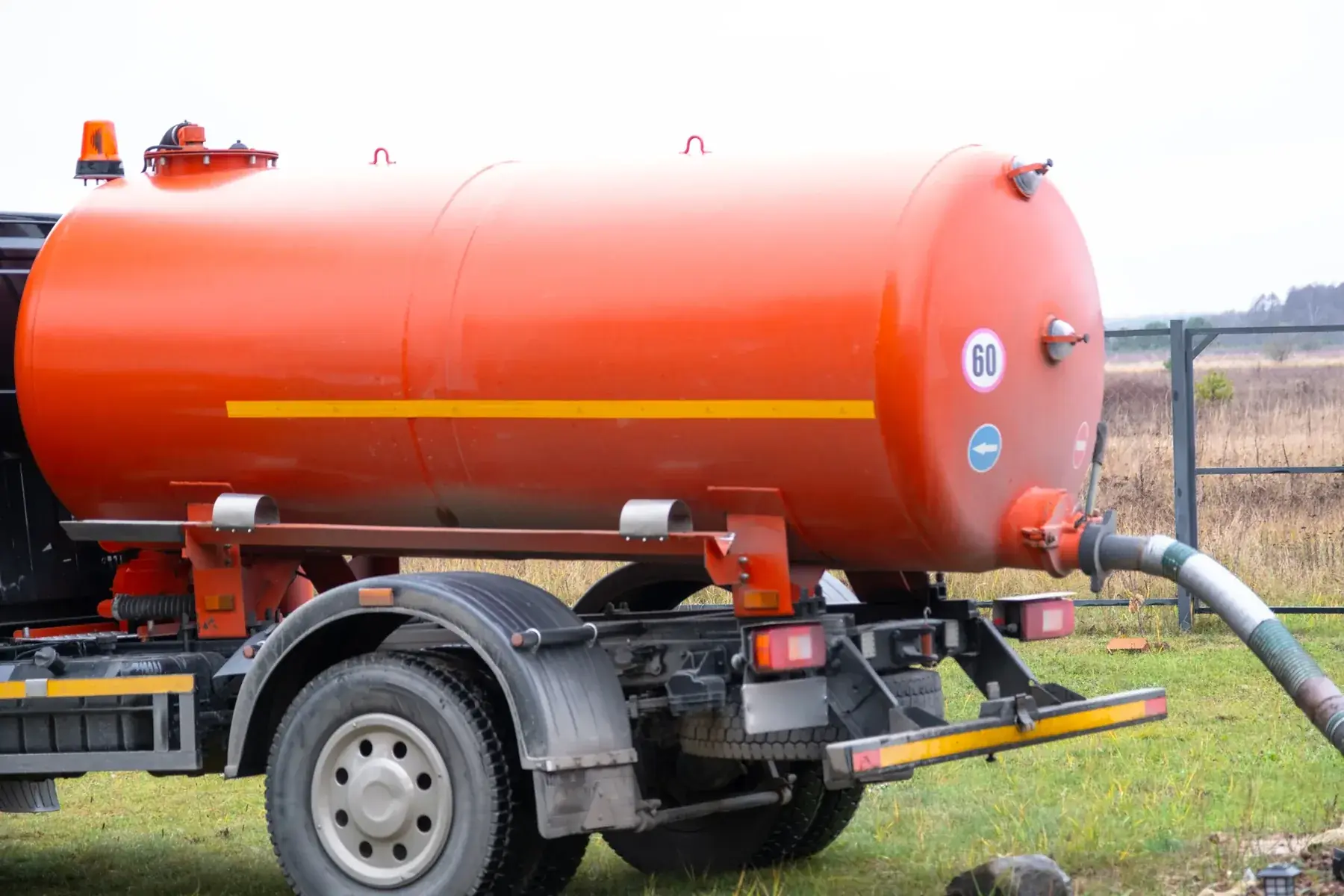
Industrial sludge removal
Desludging
Settled sludge can reduce the usable capacity of tanks, lagoons and treatment assets. We can help arrange desludging to remove that accumulated material, with the method based on the asset, access, sludge condition and the liquid that needs to remain or be managed.
What desludging involves
Desludging is the removal of settled solids from a tank, lagoon or vessel. It is not the same as emptying. Emptying takes out whatever liquid and solids are present, often to take a tank out of service. Desludging targets the accumulated layer at the bottom, which builds up while the plant keeps running.
In a settlement tank or clarifier, that layer is the sludge blanket. In a package treatment plant it is the returned and surplus sludge. In a septic tank it is the settled material below the liquid. The distinction matters because the two jobs need different equipment, different access and different planning around the liquid that stays behind.
We can help with planned desludging and maintenance projects across commercial and industrial sites.
Why the settled layer causes problems
Sludge occupies volume that the process needs. As the layer rises, retention time falls, and in a settlement tank the blanket can climb towards the outlet. Solids then carry over into the next stage, which loads downstream treatment and can affect discharge quality.
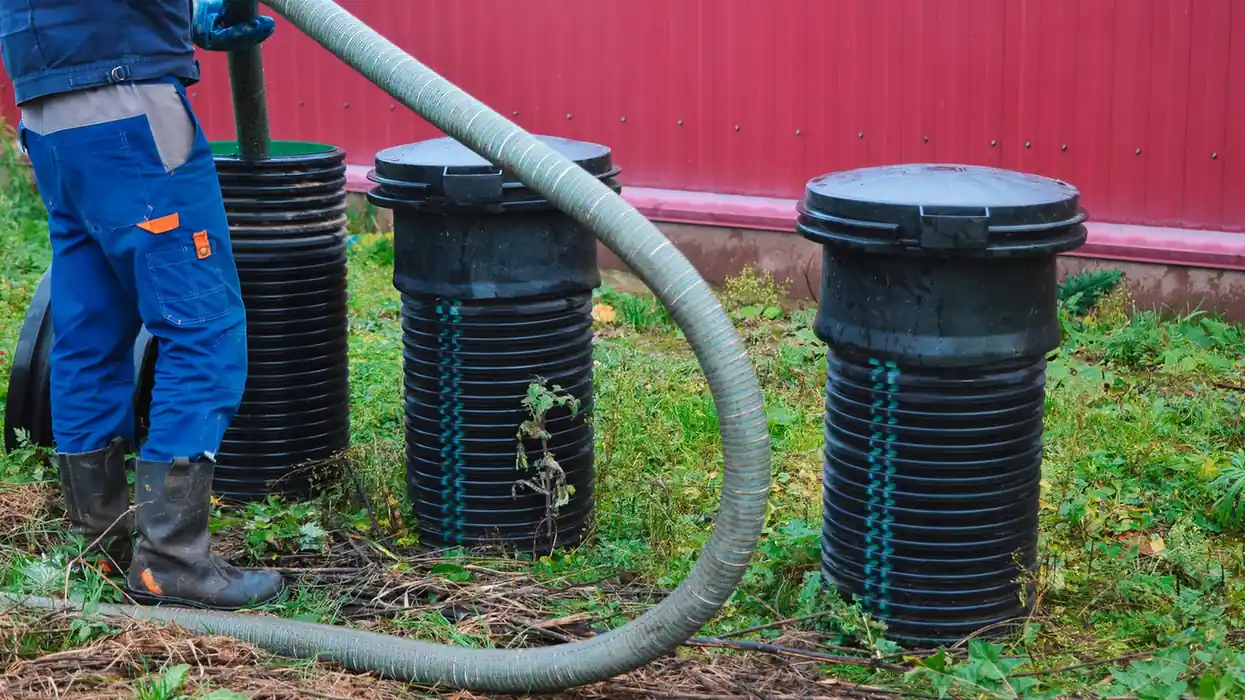
In a septic tank, a rising sludge layer reduces the liquid volume available for settlement, so more solids pass into the drainage field. On a package plant, excessive sludge can affect aeration and the balance of the biology. On a lagoon, the loss of volume is gradual and easy to miss until storm storage or treatment capacity is tested.
Odour, crusting and septicity are common where sludge sits for long periods. These are symptoms of accumulation, not proof of a specific cause, and they do not by themselves tell you what the sludge contains.
Assets that need desludging
The equipment and approach change with the asset:
- Settlement tanks and clarifiers, where the sludge blanket and scraper or hopper arrangement govern how solids can be drawn off.
- Balancing tanks, where solids settle out of variable flows and mix with grit and debris.
- Package treatment plants, where manufacturer guidance sets the maintenance expectations.
- Septic tanks on commercial sites such as holiday parks, farms and schools, where the tank serves more than a single household.
- Lagoons, where access, depth and the volume of stored sludge shape the method.
- Anaerobic digesters, where cleaning is a specialist task with its own safety controls.
Each has a dedicated page: lagoon desludging, anaerobic digester cleaning and tank sludge removal cover the specific constraints in more detail.
How often desludging is needed
There is no single interval that fits every site. For package treatment plants, the manufacturer’s maintenance guidance is the sensible starting point, and British Water publishes a code of practice for the desludging of package plants that owners and operators can refer to. For other assets, the interval follows the sludge accumulation rate, which depends on load, retention time and what enters the tank.
Condition and operating history can be more useful than relying on a fixed calendar alone. Sludge depth, plant performance, loading and manufacturer guidance can all indicate whether desludging is needed sooner than a previous schedule suggests.
Assessment before removal
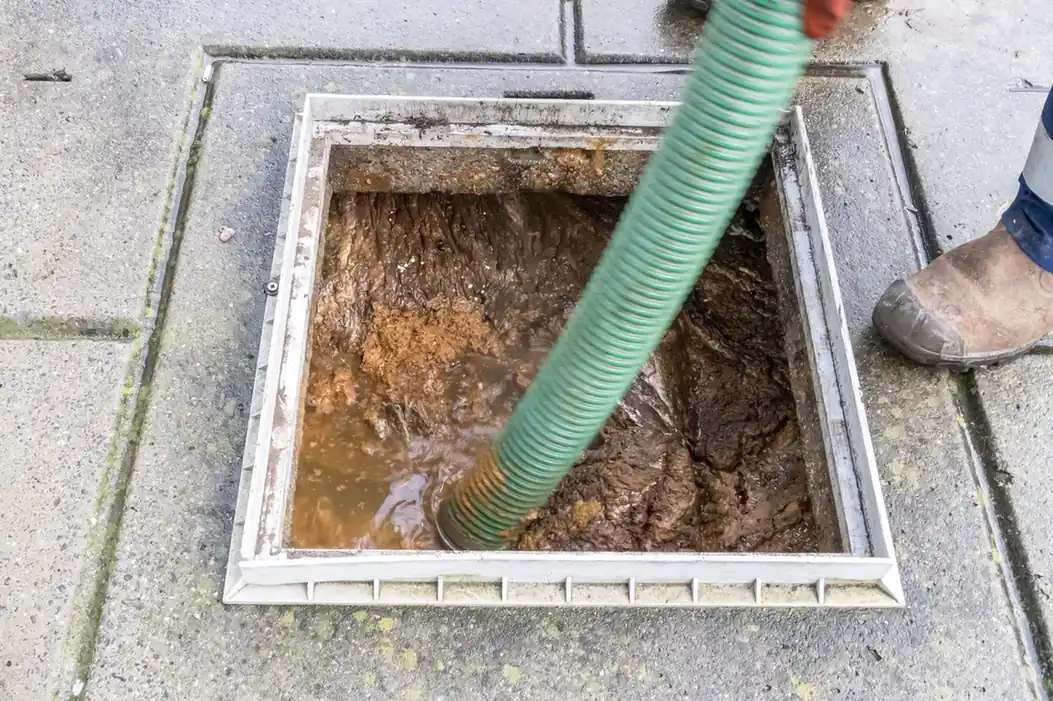
Before any removal work, it helps to establish what is in the tank and how it behaves. A sample taken from the sludge layer can be analysed for dry solids, volatile content and contaminants. That information supports the choice of removal method and the later waste classification.
Waste classification is a separate exercise. Technical guidance WM3 uses the List of Waste and the hazardous properties of the material to support classification. A code should not be assigned from the name of the tank or process alone. Sludge can contain contaminants from trade effluent, cleaning chemicals or historic discharges. Our pages on sludge sampling and sludge contaminants set out what sampling can and cannot show.
Dewatering is sometimes used to reduce the volume before transport. It separates liquid and solid fractions, but it does not remove the need to assess and classify the resulting materials. More detail is on the sludge dewatering page.
Removal methods and site constraints
The method follows the settled layer, the access and what can happen to the liquid above it. Where the tank can stay in service, sludge is drawn from a hopper or a low point, often with a vacuum tanker. Where the layer is thick or the tank is offline, a combination of pumping and mechanical handling may be needed.
Access is often the limiting factor. A tanker needs a safe standing position, and the hose run has to reach the sludge without blocking walkways or drains. Confined space entry is a last resort. The Confined Spaces Regulations 1997 require that entry is avoided where the work can be done from outside, and where entry is unavoidable a safe system of work and emergency arrangements must be in place first. Competent specialist contractors handle this work.
Lagoons and digesters bring their own constraints. Depth, crusting and gas are all relevant, and the planning has to account for them before equipment arrives on site.
Documentation and disposal
Sludge removed as waste is subject to the applicable waste duty-of-care and documentation requirements. In England and Wales, the duty of care code of practice explains the responsibilities of waste holders, including checks on the next holder and accurate waste descriptions. Documentation requirements for hazardous waste and for work elsewhere in the UK should be checked against the relevant national rules.
Those documents support traceability. They do not by themselves prove that waste was handled correctly, and they do not replace classification. The description on the paperwork should match what was actually removed.
Disposal or recovery options depend on the classification and the receiving facility. Some sludges go to land under the relevant rules, some to treatment or energy recovery. Our sludge disposal page covers the routes and the questions a receiving site will ask.
Free online tool
Sludge EWC Code Checker
Look up sludge sources, possible contaminants and waste-code candidates.
Common questions
Frequently asked questions
Is desludging the same as emptying a tank?
No. Emptying removes the liquid and solids together, often to take a tank out of service. Desludging removes the settled solids layer while the plant may continue to run, so the liquid above stays in place.
How often should a package treatment plant be desludged?
There is no fixed interval that suits every site. Manufacturer maintenance guidance is the usual starting point, and British Water publishes a code of practice on desludging package plants. Sludge blanket monitoring and sampling give a better indication than a calendar alone.
Can desludging be done without entering the tank?
Often, yes. Sludge can be drawn from a hopper or low point using suction equipment. Where entry is unavoidable, the Confined Spaces Regulations 1997 require a safe system of work and emergency arrangements, and the work is handled by competent specialist contractors.
Does dewatering change how the sludge is classified?
Not by itself. Dewatering reduces volume and separates liquid and solid fractions, but the resulting materials still need to be assessed and classified using the applicable waste classification guidance.
What paperwork should come with removed sludge?
The required paperwork depends on the waste type and the UK nation in which it is moved. In England and Wales, non-hazardous transfers use waste transfer information and hazardous waste movements generally require consignment documentation. These records support traceability but do not by themselves prove legal compliance.
Request a quote
Complete the form and we will get back to you.