
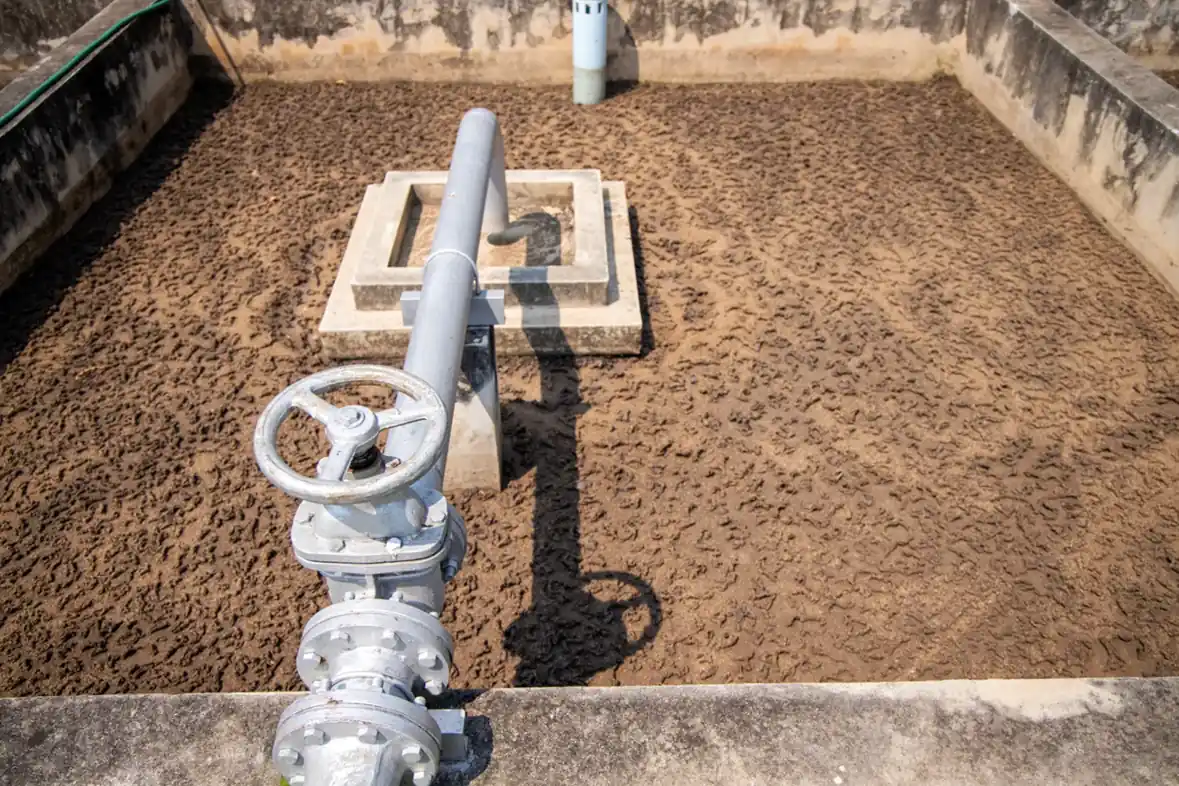
Industrial sludge removal
Sludge EWC Codes
Choosing an EWC code for sludge means working through the List of Waste in order, not picking the code that looks closest. This guide explains chapter precedence, absolute and mirror entries, and the codes most often used for sewage, septic, interceptor and industrial sludge.
What EWC codes are and where they come from
EWC codes, also called List of Waste (LoW) codes, are six-digit identifiers used on waste transfer and consignment notes. They come from the List of Waste established by the European Commission and set out in Appendix A of the Environment Agency’s waste classification technical guidance, WM3. Each entry has a code, a description and a status: absolute hazardous (AH), absolute non-hazardous (AN), mirror hazardous (MH) or mirror non-hazardous (MN).
The code is not a description of what the waste looks like. It is a classification decision that must be reached by working through the List of Waste in the correct order and, where a mirror entry applies, by assessing the hazardous properties of the specific waste. WM3 is the reference document for that process in England. Separate guidance and regulatory positions apply in Wales, Scotland and Northern Ireland, so a code that is accepted in one nation may need different supporting evidence in another.
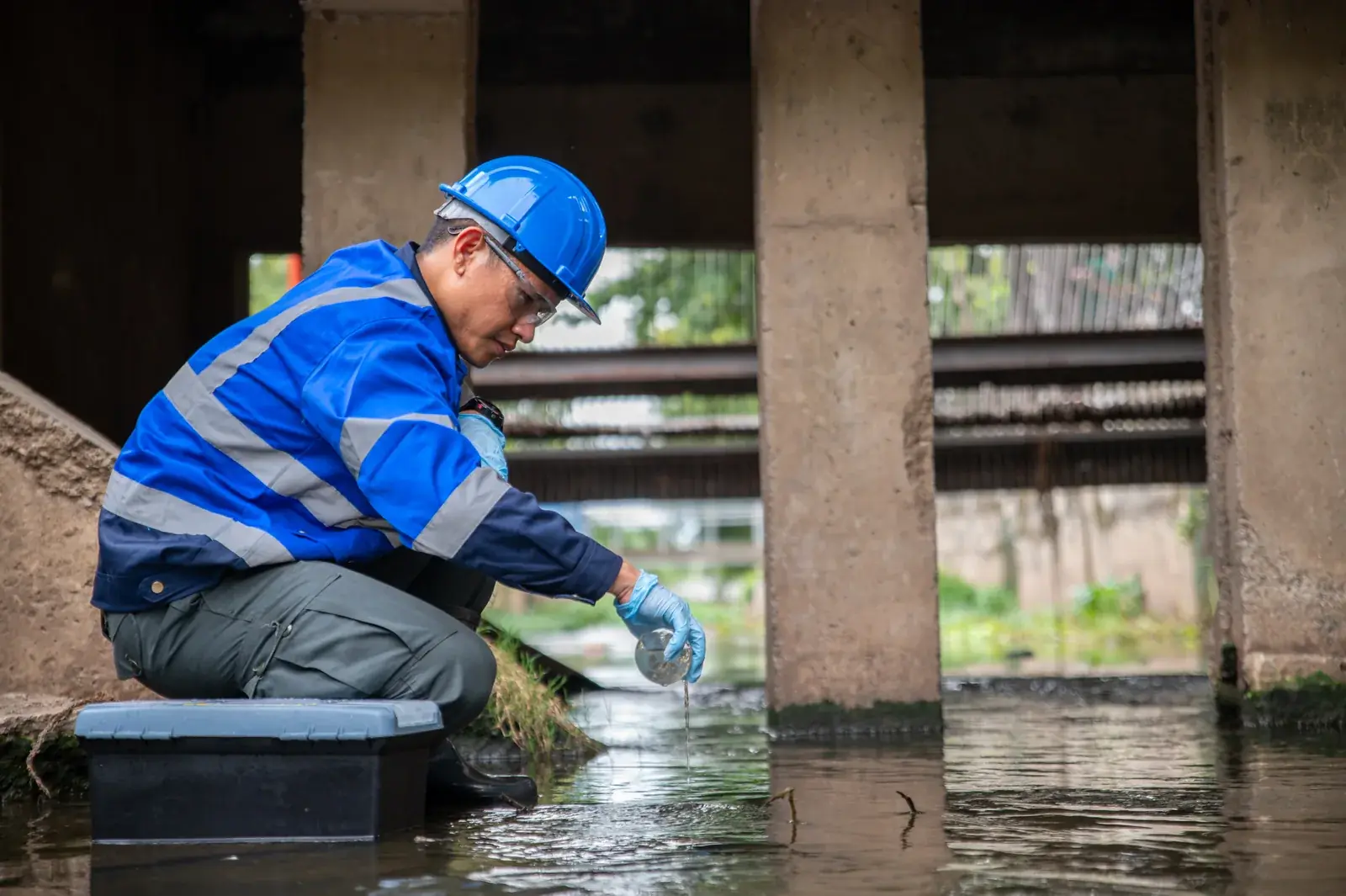
How to choose the right code
The List of Waste is structured in chapters, and the order of the chapters matters. The general rule is that a waste should be assigned to the chapter that reflects the activity that produced it, rather than the chapter that reflects what the waste is made of. Waste from a wastewater treatment plant therefore normally sits in chapter 19, even though the material is largely water and organic solids. Waste from a septic tank or cesspit is domestic in origin and normally sits in chapter 20.
Within a chapter, the six-digit entries are arranged so that more specific entries take precedence over general ones. If a waste fits a specific entry, that entry is used. A general entry such as 19 08 99 or 20 03 99 is a last resort, not a convenient default. Regulators expect the reasoning to be recorded, and a code chosen simply because it is common is not a classification.
Absolute and mirror entries
An absolute hazardous entry is hazardous where the waste fits that entry, while an absolute non-hazardous entry does not require a hazardous-property assessment to choose between a mirror pair. Mirror entries are paired hazardous and non-hazardous entries for related wastes, and the correct one depends on whether the waste displays a hazardous property. That assessment needs the composition and origin of the waste, not just its name.
This is why a code cannot be assigned from a description alone. Two interceptor sludges with the same appearance can classify differently if one contains solvent residues and the other does not. Sampling and analysis, or a documented assessment against WM3, is what supports the choice.
RPS 231 and sewage sludge
Regulatory position statement RPS 231 applies in England to specified sewage and septic tank sludges under particular exemptions and standard rules permits. It allows specified additional waste codes where its conditions are met, but it is not a substitute for classification and should not be read as a general exemption from testing or assessment. In Wales, Scotland and Northern Ireland, check the relevant regulator’s current guidance before relying on a similar approach.
Sludge codes used most often
The table below covers the entries that come up most often in sludge work. It is a working summary, not the full List of Waste. The full list runs to hundreds of entries and the correct code must be confirmed against WM3 Appendix A for the specific waste.
| Code | Description | Status | Typical use |
|---|---|---|---|
| 13 05 03* | Interceptor sludges | AH | Sludge from oil and petrol interceptors and similar separator systems |
| 13 05 07* | Oily water from oil/water separators | AH | Oily water and emulsion from separators, where the entry fits better than 13 05 03* |
| 16 07 08* | Wastes containing oil from transport tank, storage tank and drum cleaning | AH | Tank cleaning sludges where oil is present and the chapter 16 entry applies |
| 17 05 06 | Dredging spoil other than those mentioned in 17 05 05 | MN | Non-hazardous mirror entry for dredging spoil where the chapter and description fit |
| 19 08 05 | Sludges from treatment of urban wastewater | AN | Sewage sludge from municipal wastewater treatment works |
| 19 08 09 | Grease and oil mixture from oil/water separation containing only edible oils and fats | AN | Grease trap and separator waste where only edible oils and fats are present |
| 20 03 04 | Septic tank sludge | AN | Sludge from septic tanks and cesspits serving domestic property |
Two cautions apply to this table. First, 13 05 03* and 16 07 08* are absolute hazardous entries, so if the waste fits the description the hazardous code applies. Second, 19 08 09 only covers edible oils and fats. If mineral oil is present, that entry does not fit and a different code is needed. The code for interceptor sludge is not automatically 13 05 03* in every case, because the chapter and entry must match the source and composition of the waste.
Septic tank and sewage sludge
Untreated septic tank sludge is normally described by 20 03 04 where the waste fits that entry, while untreated sludge from treatment of urban waste water is normally 19 08 05. The distinction is the source and treatment activity, not simply the water content. Sludge from other sewage treatment installations or industrial wastewater treatment may require a different entry depending on how the waste arose.
Where RPS 231 applies in England, it allows specified additional waste codes for certain treated sewage and septic tank sludges when its conditions and the relevant permit or exemption requirements are met. It does not remove the need to classify the waste correctly. Where the available process information is not sufficient to support classification, sampling and analysis may be needed.
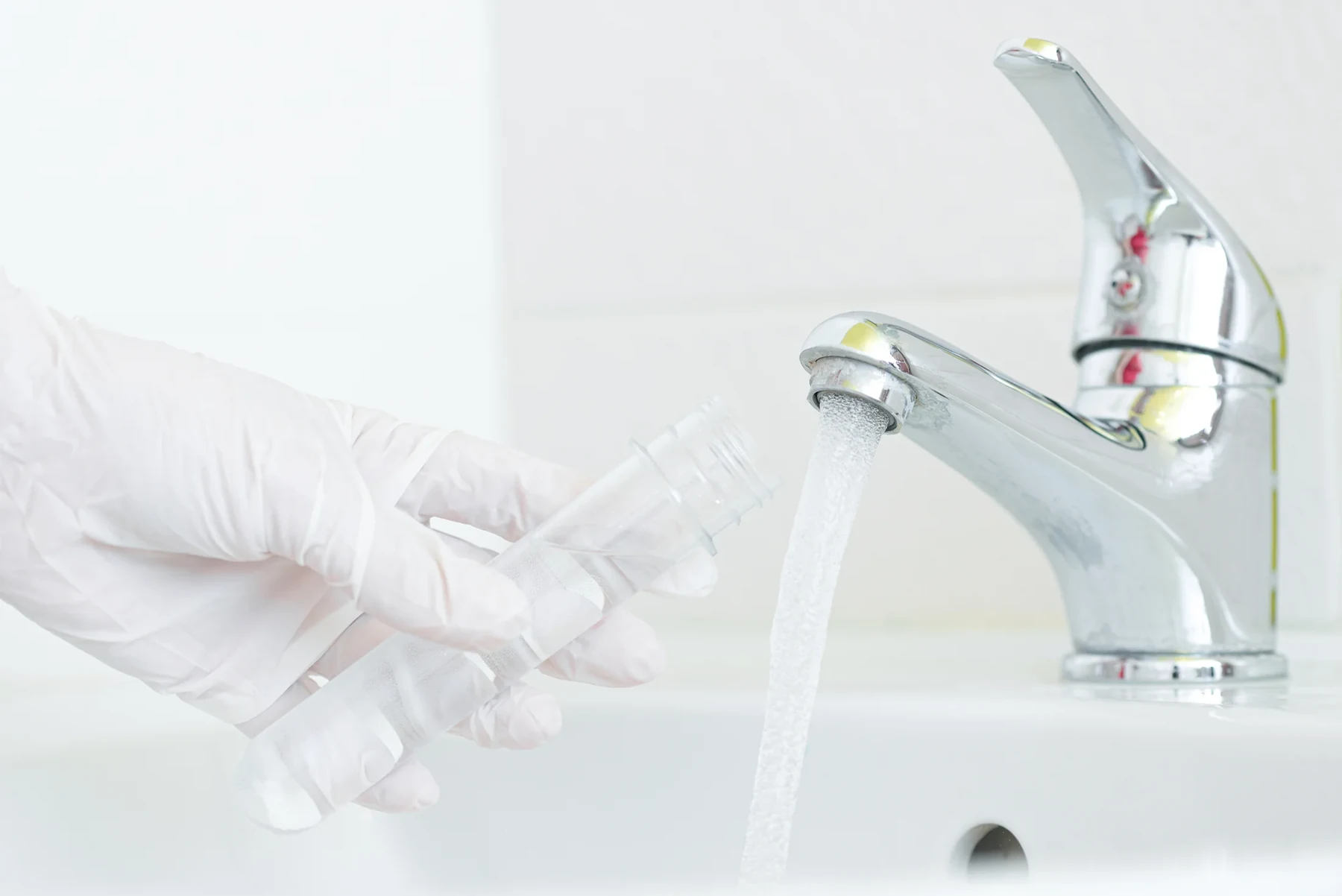
Interceptor and tank cleaning sludge
Interceptor sludge from oil and water separators is listed as 13 05 03*, while oily water from those separators is 13 05 07*. Grease and oil mixtures containing only edible oils and fats may fall under 19 08 09 where that description and source fit. Mixed or unusual inputs need to be assessed against the correct chapter and entry rather than coded from appearance alone.
Tank cleaning sludges are different again. Chapter 16 covers wastes from tank, drum and transport cleaning, and 16 07 08* applies where oil is present. The chapter 16 entry is not a fallback for any tank sludge. It applies where the waste arises from cleaning operations and the description fits.
Where classification ends and documentation begins
A code on a transfer note is a record, not proof that the classification is correct. Waste documentation supports traceability: it shows what was moved, when and by whom. It does not by itself demonstrate legal compliance, and it does not replace the classification assessment. If the code is wrong, the paperwork does not fix it.
Classification also feeds into disposal decisions. A hazardous code changes the receiving site, the consignment note requirements and the treatment options. Dewatering reduces water content and does not by itself make hazardous material non-hazardous. Treatment can affect the waste code or description in some cases, so the output should be checked against the applicable guidance. Waste acceptance criteria for landfill are a separate exercise from waste classification and do not replace it.
Where a waste is hazardous, the duty of care in England and Wales requires the producer to check that the waste is handled by an authorised person and to keep the records. The Environment Agency’s duty of care code of practice sets out those requirements. Similar duties apply in Scotland and Northern Ireland under their own codes.
We can help with sludge classification questions, sampling and the practical side of removal and disposal. Related guidance covers sludge waste classification, sludge sampling and sludge contaminants. If you already know the material and want a starting point, the sludge EWC code checker gives candidate codes, possible contaminants and treatment options for review. For disposal routes, see sludge disposal and hazardous sludge disposal.
Common questions about sludge codes
Most errors come from choosing a code by name rather than by chapter. A waste called “sludge” can sit in chapter 13, 16, 17, 19 or 20 depending on where it came from. The chapter reflects the process, and the entry reflects the specific material. Working through the list in order, and recording the reasoning, is what makes the code defensible.
A second common error is treating a mirror entry as a single code. The hazardous and non-hazardous versions of a mirror entry are different codes, and the choice depends on the waste’s properties. Where the waste contains a substance that could make it hazardous, the assessment needs to consider that substance and its concentration.
Finally, the List of Waste is used across the UK, but regulatory positions, documentation and enforcement arrangements differ across England, Wales, Scotland and Northern Ireland. A code should therefore be supported by the requirements that apply where the waste arises and is handled rather than assumed to be sufficient because it was accepted elsewhere.
Free online tool
Sludge EWC Code Checker
Look up sludge sources, possible contaminants and waste-code candidates.
Common questions
Frequently asked questions
Is 20 03 04 always the right code for septic tank sludge?
20 03 04 is the usual entry for untreated septic tank sludge where the waste fits that description. It is an absolute non-hazardous entry. Sludge from other sewage treatment installations or material that has undergone further treatment may require a different code, so the source and treatment history still need to be checked.
Can I use 19 08 09 for interceptor sludge?
19 08 09 covers grease and oil mixtures from oil and water separation containing only edible oils and fats. If the material is interceptor sludge from an oil and water separator, 13 05 03* is the relevant listed sludge entry where that description fits. Code 13 05 07* applies to oily water from oil and water separators rather than the sludge itself. Mixed or unusual inputs still need to be assessed against the correct entry.
Does RPS 231 apply outside England?
RPS 231 is an Environment Agency regulatory position statement and applies in England. Wales, Scotland and Northern Ireland have their own regulators and their own positions. Before relying on an equivalent approach, confirm the current position with the relevant regulator for the nation where the waste is produced or handled.
Does dewatering change the EWC code?
Dewatering reduces water content and changes how sludge can be handled, stored and transported. It does not by itself make hazardous material non-hazardous, but treatment can affect the waste code or description in some cases. The output should therefore be checked against the applicable classification guidance.
Can I classify sludge from its name alone?
No. A name such as interceptor sludge or sewage sludge narrows the likely chapter but does not determine the entry. Mirror entries require an assessment of hazardous properties, and absolute entries require the waste to fit the description. Sampling, analysis or a documented assessment against WM3 is what supports the code.
Request a quote
Complete the form and we will get back to you.