
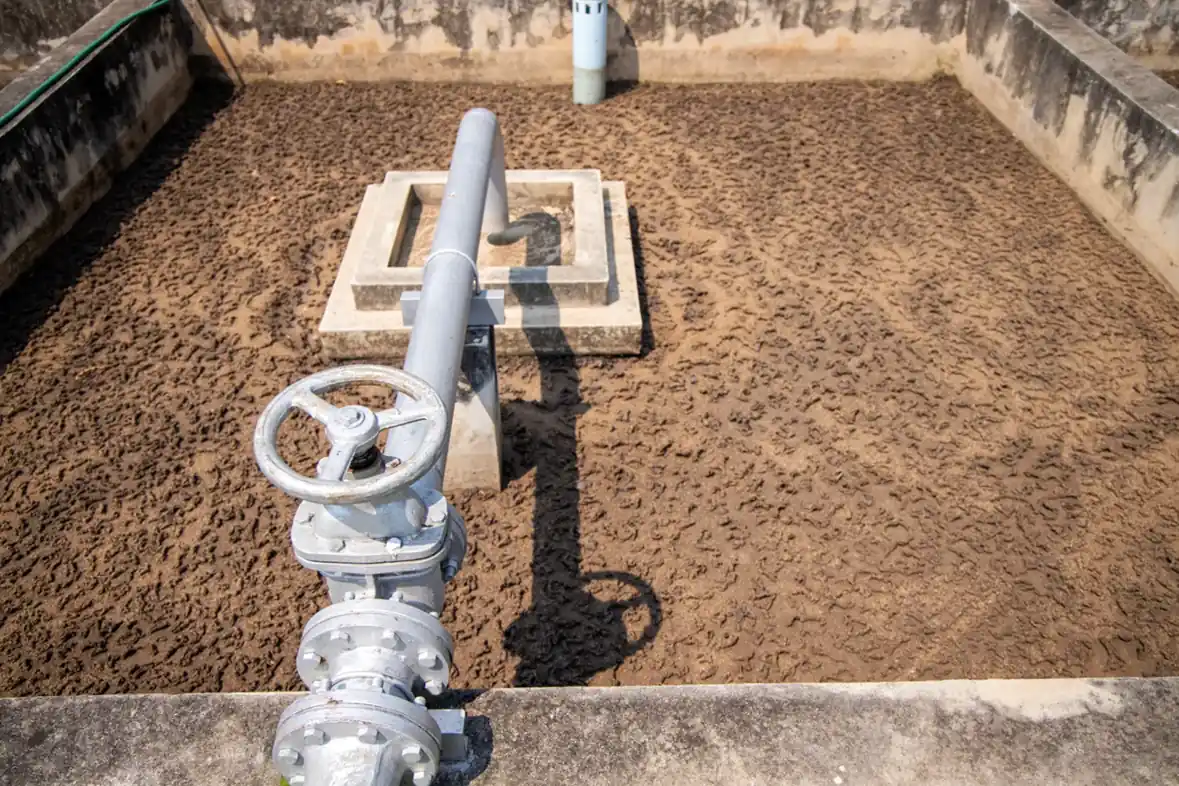
Industrial sludge removal
Sludge Contaminants
Sludge contaminants determine how material must be handled, treated and documented. Metals, oils, solvents and process organics behave differently in settlement, dewatering and disposal. We can help with identifying likely contaminants and planning removal work that reflects what the sludge actually contains.
What sludge contaminants are
Sludge contaminants are the substances mixed into, adsorbed onto or chemically bound within the solids and liquid that settle out of a process. They can arrive from raw materials, cleaning chemicals, corrosion, stormwater, trade effluent or the biological treatment process itself. The same site can produce sludges with very different contaminant profiles depending on which process stage the sludge comes from.
Contaminants matter because they affect how sludge behaves during removal, how it must be treated, and what documentation accompanies it. They also affect which treatment or disposal option is suitable. A sludge that looks similar to another may contain a very different mix of metals, oils or organic compounds.
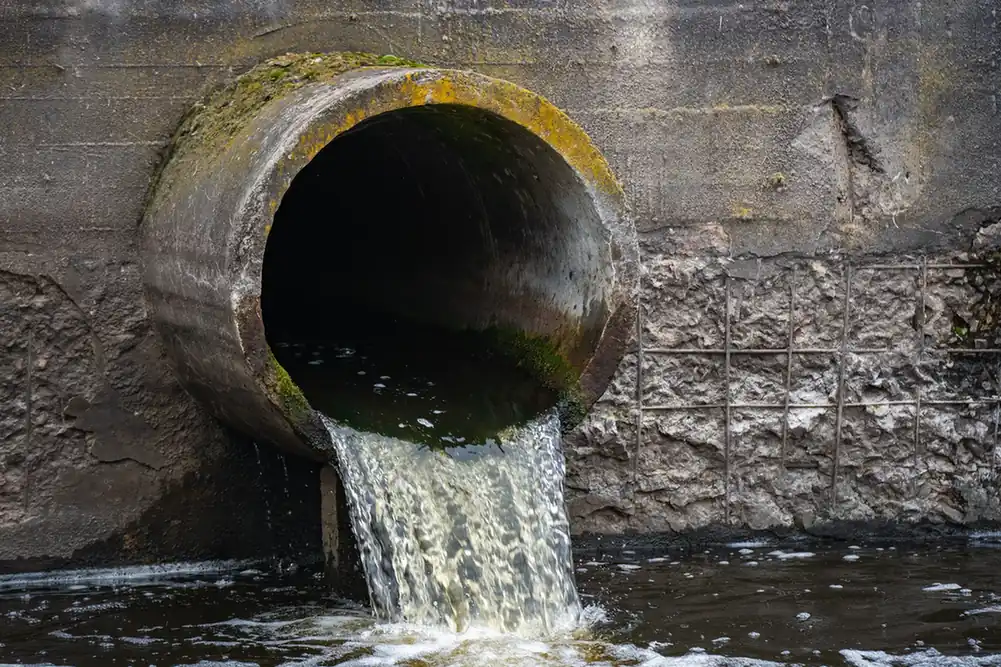
Metals in sludge
Metals are common in industrial and municipal sludges. Sources include metal finishing, plating, battery manufacture, pigments, alloys, corrosion products and some water treatment chemicals. Typical metals of concern include cadmium, chromium, copper, lead, mercury, nickel and zinc. Some are essential trace elements at low concentrations but become a problem at higher levels.
Metals can remain associated with the solid fraction during dewatering, so analysis needs to reflect the material and streams that will actually be managed. Where sludge is separated into solid and liquid fractions, each route should be considered on the basis of the resulting material.
Detection of a metal above a threshold does not by itself confirm that the waste is hazardous. Classification depends on the substance, its concentration, the form it takes and how the waste is assessed under the relevant technical guidance. We can help with planning sampling and with understanding what the results may mean for removal and treatment.
Oils, greases and hydrocarbons
Oil and grease enter sludge from vehicle maintenance, food processing, metalworking, fuel storage, interceptors and general industrial activity. In a settlement tank or lagoon, oils may form a surface layer, remain emulsified in the liquid, or bind to solids. Each situation needs a different approach.
Oil may be present as a separate layer, an emulsion or associated with solids. That form affects sampling, handling and the treatment or disposal options. Hydrocarbons such as fuels, lubricating oils and some solvents may also be relevant depending on the process and site history.
An oily sludge is not automatically hazardous. The classification depends on the specific substances and concentrations present. However, oils and hydrocarbons often need to be identified before a treatment or disposal route is chosen, because they can affect biological treatment, filtration and thermal processes.
Organic compounds and process chemicals
Organic contaminants include solvents, phenols, pesticides, pharmaceuticals, dyes, surfactants and residues from chemical manufacture. Some are volatile and may be released during removal or storage. Others are persistent and can remain in the solid fraction after dewatering. Biological sludges from wastewater treatment can also contain organic matter that is largely benign but still needs appropriate handling.
Process chemicals are another group. Acids, alkalis, coagulants, flocculants and cleaning agents can be present even when they are not the main constituent. They may affect pH, handling characteristics and classification, so process knowledge is useful when deciding what should be analysed.
Detection of an organic compound does not automatically mean the waste is hazardous. The concentration, the specific substance and the way the waste is assessed all matter. A laboratory result is one input into classification, not the final answer.
Detection and hazardous classification are different steps
Detection is about finding out what is present. Classification is about deciding whether the waste meets the criteria for hazardous waste under the relevant rules. These are separate steps and should not be confused.
Laboratory analysis can identify metals, oils, organic compounds and other parameters. It can also provide concentrations. But classification requires interpretation against the technical guidance and the list of waste codes. A substance may be detected at a concentration that does not trigger hazardous classification, or it may be present in a form that changes the assessment. Equally, a substance that is not detected by a particular test may still be present below the detection limit or in a form the test does not capture.
The joint agency waste classification technical guidance (WM3) sets out how to assess and classify waste across the UK. The surrounding regulatory procedures and terminology differ between England, Wales, Scotland and Northern Ireland. We can help with understanding what analysis is needed and how results feed into classification, but classification decisions should be made by a competent person taking account of the requirements that apply where the waste arises.
You can use our sludge EWC code checker to generate candidate codes, possible contaminants and treatment options for review. It is a starting point, not a regulatory certification.
Why the same sludge name can hide different contaminants
Terms like ‘digester sludge’, ‘lagoon sludge’ or ‘interceptor sludge’ describe where material came from, not what it contains. Two lagoon sludges can have very different contaminant profiles depending on what the lagoon receives. An interceptor serving a car wash will differ from one serving a fuel depot.
This is why a name alone cannot support a definite hazardous classification. The source, the process, the inputs and the site history all influence what is likely to be present. Sampling and analysis are usually needed before a disposal route is confirmed.
We can help with reviewing site information, planning sampling and interpreting what the results mean for removal, treatment and documentation. Related pages include sludge waste classification, sludge sampling and types of sludge.
How contaminants affect removal and treatment
Contaminants influence several practical decisions:
- How the material can be removed and contained.
- Whether treatment is needed before the proposed receiving route.
- Whether the waste should be kept separate from other streams.
- What site controls are required for the work.
- Which treatment, recovery or disposal routes may be suitable.
- What documentation and analysis are needed to support the chosen route.
The contaminant profile can affect whether a receiving facility will accept the sludge and whether additional controls or treatment are required. Those requirements should be confirmed against the actual material and the proposed route rather than assumed from the sludge name.
Safety-critical work in tanks, lagoons or confined spaces must be carried out by competent specialist teams. The Confined Spaces Regulations 1997 require that entry is avoided where possible, and where entry is unavoidable, a safe system of work and emergency arrangements must be in place. We can help with planning removal work that reflects the contaminants present and the access constraints.
Documentation and traceability
Waste documentation supports traceability. It records what was removed, where it went and who handled it. It does not by itself prove legal compliance. Under the waste duty of care, anyone who produces, carries, keeps, treats or disposes of controlled waste must take reasonable steps to ensure it is managed properly. In England and Wales, the duty of care code of practice sets out practical guidance on meeting those requirements.
Hazardous or special waste requirements differ across England, Wales, Scotland and Northern Ireland. The applicable documentation and movement controls should be checked for the nation where the waste arises and any cross-border movement. We can help assemble the information needed for the proposed route.
Contaminant data should be specific to the sludge being removed. A result from one tank does not automatically apply to another, even on the same site. Where a waste stream is variable, more than one sample may be needed.
Planning checks before removal
Before sludge removal is specified, it helps to gather:
- Where the sludge came from and what the process uses.
- Any previous analysis or disposal records.
- Whether the sludge is likely to be consistent or variable.
- Access constraints for sampling and removal.
- Whether the sludge is in a confined space or open lagoon.
- What the receiving treatment or disposal route requires.
These checks reduce the risk of removing material that cannot be accepted by the intended route, or of missing a contaminant that changes how the work should be done. We can help with planned removal and treatment projects where contaminants are known or need to be characterised.
Free online tool
Sludge EWC Code Checker
Look up sludge sources, possible contaminants and waste-code candidates.
Common questions
Frequently asked questions
Does detecting a metal in sludge mean the waste is hazardous?
No. Detection is not the same as classification. Hazardous classification depends on the specific substance, its concentration, the form it takes and how the waste is assessed under the relevant technical guidance. A laboratory result is one input, not the final decision.
Can I classify sludge as hazardous from its name alone?
No. Names like lagoon sludge or interceptor sludge describe where material came from, not what it contains. Two sludges with the same name can have very different contaminant profiles. Sampling and analysis are usually needed before a definite classification is made.
Does dewatering make sludge contaminants less hazardous?
Dewatering changes the volume and consistency of sludge, but it does not remove contaminants. Metals and some organic compounds can concentrate in the solid fraction. Dewatering does not make waste non-hazardous, and classification is still required.
Do the same waste rules apply across the UK?
No. England, Wales, Scotland and Northern Ireland have different regulatory arrangements and codes of practice. The nation where the waste arises determines which rules apply. Cross-border operations may need to follow more than one set of requirements.
Can the sludge EWC code checker confirm my waste classification?
No. The checker gives candidate codes, possible contaminants and treatment options for review. It is a starting point, not a regulatory certification. Classification should be confirmed by a competent person using the correct guidance for the relevant nation.
Request a quote
Complete the form and we will get back to you.